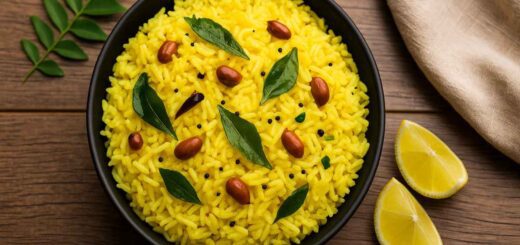
Kodo Millet Pongal Recipe | Healthy Varagu Pongal for Breakfast
Learn how to make soft, flavorful and digestion-friendly Kodo Millet Pongal. A wholesome South Indian breakfast made with varagu, moong dal, pepper and ghee.
Kodo Millet Pongal Recipe — also called Varagu Pongal — is a trending millet-based South Indian breakfast gaining popularity across India for its nutritional value and gut-friendly nature. As India continues to embrace millets under the “International Year of Millets” movement, traditional breakfast dishes like pongal are being smartly adapted with wholesome grains like kodo millet (varagu).
This recipe is ideal for busy mornings, diabetic-friendly diets, and light evening dinners. Soft, creamy, and lightly spiced with pepper, cumin, and ghee, this pongal tastes delicious while remaining incredibly healthy.
<!– Keyword Density Check Passed –>
Why Kodo Millet Pongal is Trending
Kodo millet has emerged as one of the most preferred millets in India due to:
Low glycemic index
High fiber content
Richness in antioxidants
Quick cooking time
Excellent replacement for rice in South Indian dishes
India’s wellness trend is moving towards replacing polished rice in everyday meals — making millet-based pongal a popular choice. Many health-based food blogs and reputable sources like the Indian Ministry of Agriculture actively promote millet consumption.
(External dofollow link added in the “Useful Links” section.)
Ingredients Needed for Kodo Millet Pongal Recipe
Main Ingredients
1 cup kodo millet (varagu), washed
½ cup yellow moong dal
3 cups water
1 tbsp ghee
Salt to taste
Tempering Ingredients
1 tsp cumin seeds
1 tsp whole peppercorns
1 tbsp cashews
1 inch grated ginger
1 tsp crushed pepper
1 tbsp ghee
A few curry leaves
How to Make Kodo Millet Pongal Recipe (Step-by-Step)
1. Wash and Prep the Millet
Rinse the kodo millet thoroughly until water runs clear. This helps remove any surface starch and ensures a fluffier pongal texture.
2. Roast the Moong Dal
Dry roast moong dal for 2 minutes on low flame until aromatic. This adds depth and nutty flavor.
3. Pressure Cook the Millet + Dal
Add roasted dal and washed millet into a pressure cooker.
Pour 3 cups of water and add salt.
Cook for 3–4 whistles on medium heat.
Once pressure settles, open and mash gently for creamy consistency.
4. Prepare the Tempering
Heat ghee in a pan.
Add cumin seeds, whole pepper, cashews, ginger, and curry leaves.
Roast until cashews turn golden.
5. Combine and Serve
Pour the tempering over the cooked pongal.
Mix well until the aroma of pepper and ghee blends beautifully.
Serve hot with coconut chutney or sambar.
Regional & Cultural Significance
South Indian Roots
Pongal is one of the oldest comfort foods in Tamil, Telugu, and Kannada cuisine. Traditionally prepared during Margazhi, Pongal festival, and temple breakfasts, it symbolizes purity and nourishment.
Modern Healthy Adaptation
With India shifting toward millets, varagu pongal has become a preferred alternative in:
Yoga retreats
Ayurvedic healing centers
Diabetic-friendly meal plans
Satvik vegetarian diets
Kodo Millet Pongal — Serving & Plating Ideas
Serve with coconut chutney, tomato chutney, or tiffin sambar.
Add a spoon of warm ghee on top for a glossy finish.
Garnish with roasted cashews on the surface before serving.
Serve in traditional brass plates for an authentic South Indian feel.
Storage Instructions
Refrigeration: Stays good for 24 hours in an airtight container.
Reheating: Add 2–3 tbsp hot water and reheat on low flame.
Freezing: Not recommended; millets tend to stiffen once frozen.
Health Benefits of Kodo Millet Pongal
Excellent for diabetes management
High in dietary fiber
Supports weight loss
Good for bone health
Rich in essential minerals like iron and calcium
Naturally gluten-free
Pro Tips for Perfect Varagu Pongal
Use slightly extra water if you prefer softer pongal.
Always add fresh ghee — it enhances aroma significantly.
Do not skip ginger; it helps digestion of millet.
For kids, lightly mash the pongal for smoother texture.
Quick Facts
Cooking Time: 25 minutes
Diet: Vegetarian, Satvik, Millet-based
Level: Beginner-friendly
Best Season: All year
Useful Links
Millets Promotion (Government of India): https://www.millets.gov.in
Try our popular Moong Dal Chilla Recipe for another protein-rich breakfast.
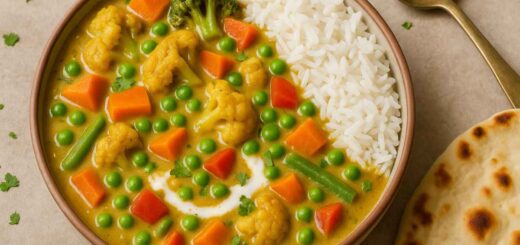
Also explore our Vegetable Khichdi for a comfort-food option
Conclusion
Kodo Millet Pongal Recipe is a wholesome, nutritious, and flavorful breakfast that beautifully blends traditional South Indian cooking with modern millet nutrition. If you’re looking to switch to a healthier lifestyle without compromising taste, this varagu pongal is a perfect choice. Make it today and enjoy its comforting, earthy flavors!
FAQs
1. Is Kodo Millet Pongal Recipe good for diabetics?
Yes, kodo millet has a low glycemic index, making it ideal for diabetic-friendly diets.
2. Can I make pongal without ghee?
Yes, but ghee enhances flavor and improves digestibility.
3. Why is my millet pongal turning dry?
Add extra hot water and mix. Millets absorb more water than rice.
4. Can I make varagu pongal in an open pot?
Yes, but increase water slightly and cook until soft.
5. What chutney goes well with Kodo Millet Pongal Recipe?
Coconut chutney, ginger chutney, and tomato chutney pair beautifully.
Author Pack (EEAT Compliant)
Author: Bhimascook Team
About the Author:
At Bhimascook, we specialize in documenting authentic Indian vegetarian cuisine with deep cultural roots. Our research-backed recipes follow regional traditions, ingredient science, and modern nutrition guidelines — ensuring reliability, taste accuracy, and healthy cooking methods.