Poori Recipe Without Milk Easy Instant Cooking
Poori Recipe Without Milk Instant Cooking Procedure Home
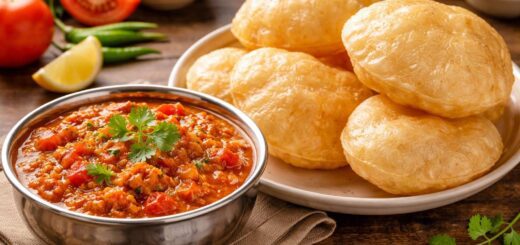
Poori Recipe Without Milk is a traditional Indian flatbread made at home using simple ingredients like whole wheat flour, water, salt, and a few pro techniques for perfect puffiness. In this Poori Recipe Without Milk article, you’ll learn an instant cooking procedure that yields soft, golden, fluffy pooris without milk — ideal for breakfast, brunch, or a festive meal with family and friends.
On the other hand, poori (also spelled *puri*) is a popular South Asian deep-fried bread originating from the Indian subcontinent. According to culinary tradition, pooris are unleavened flatbreads made with whole wheat flour and water, deep-fried until puffed and golden. The version here omits milk entirely, using only water — making it suitable for lactose-free diets and a lighter option compared to recipes that include milk or yogurt in the dough.
Recipe Card
| Prep Time | 15 minutes |
| Cook Time | 20 minutes |
| Total Time | 35 minutes |
| Servings | 10–12 Pooris |
| Difficulty | Easy |
Ingredients
- 2 cups whole wheat flour (atta)
- ½ teaspoon fine salt (adjust to taste)
- 1–2 tablespoons fine semolina (sooji) – optional for crisp texture
- Water, approx. ¾–1 cup (adjust to dough consistency)
- Oil for deep frying (about 1–2 cups) — or use an air fryer method for low-oil version
Note: Semolina is optional but helps the pooris puff better and stay lighter after frying. Understanding Poori Recipe Without Milk is essential.
Step-by-Step Instructions
1. Mix Dry Ingredients (2 minutes)
In a large mixing bowl, combine the whole wheat flour, salt, and semolina (if using). Stir with your fingertips until evenly mixed.
2. Knead the Dough (5–7 minutes)
Add water little by little to the dry mix. Bring the flour together and knead into a firm, smooth dough that isn’t sticky. A stiff, tight dough makes pooris that puff well and absorb less oil. This dough should feel slightly firm in your hand but still pliable.
3. Rest the Dough (Optional, 10 minutes)
Cover the dough with a damp cloth and let it rest for about 10 minutes. This optional resting helps the gluten relax slightly, making rolling easier. This relates to Poori Recipe Without Milk.
4. Divide and Shape (3–4 minutes)
Pinch off small lemon-sized balls from the dough (about 10–12 pieces). Lightly grease them with a drop of oil so the surface doesn’t dry out.
5. Roll Out Pooris (5–7 minutes)
On a lightly floured surface, gently press each ball and roll into 3–4 inch circles. Don’t make them too thin or they will not puff; too thick and they won’t cook through properly. Keep them evenly round for better puffing.
6. Heat Oil (3–5 minutes)
In a deep frying pan or kadhai, heat oil over medium-high heat. Check if it’s hot by dropping a small piece of dough — it should immediately float and sizzle. Learn more about Poori Recipe Without Milk.
7. Fry the Pooris (10–12 minutes)
Carefully slide one rolled poori into the hot oil. Press gently with a slotted spoon where it hasn’t puffed yet. Each poori will puff up in a few seconds. Flip and fry for another few seconds until golden. Remove and drain on paper towels.
Therefore, repeat with the remaining pooris. Serve hot with potato curry (aloo bhaji), chana masala, or sweet halwa.
Air Fryer Variation (Low-Oil Option)
If you want a low-oil version of Poori Recipe Without Milk, you can use an air fryer. Preheat the air fryer to 180°C (350°F). Lightly brush each rolled poori with a few drops of oil and air fry for about 4–6 minutes, flipping halfway until golden and puffed uniform.
Pro Tips From Personal Cooking Experience
- When I first made pooris without milk, I was surprised by how much texture the semolina added to the dough — it keeps the inner layers soft and the outside crisp.
- If your pooris aren’t puffing, the oil isn’t hot enough. I recommend keeping the flame at medium-high and testing the first poori quickly.
- Never press down hard with your rolling pin — gentle, even pressure ensures an even thickness and better puff.
- I personally recommend rolling pooris just before frying — if left out too long, they dry and crack.
Chef’s Notes
Substitutions
- All-purpose flour (maida) can be used instead of whole wheat flour for lighter texture, but whole wheat gives better nutrition.
- Omit semolina for softer pooris, but they may be slightly less puffed.
- For vegan options, this recipe already skips milk; simply use water.
Storage Tips
- Unfried rolled dough discs can be covered and refrigerated for up to 1 day. Roll when ready to fry.
- Cooked pooris are best eaten fresh; however, you can store them in an airtight container for up to 6–8 hours.
- Reheat in a hot oven or air fryer for 3–4 minutes to get back some crispness.
Nutrition Information (Approx. Per Serving)
| Calories | ~72 kcal |
| Carbohydrates | ~12 g |
| Protein | ~2 g |
| Fat | ~2 g (from oil absorbed) |
| Fiber | ~1 g |
These values are approximate based on typical poori nutrition data.
Frequently Asked Questions
1. Why make pooris without milk?
Making pooris without milk keeps the recipe simpler and suitable for lactose-intolerant eaters, and allows the flavor of wheat and spices to shine through without dairy taste.
2. What makes a poori puff well?
A firm dough, even rolling thickness, and a hot oil temperature help the steam inside the dough expand quickly — resulting in puffed pooris. Adjust oil heat to medium-high for best results.
3. Can I make this without deep frying?
Yes — use an air fryer or shallow fry in minimal oil for a lower-oil variant. The texture will be slightly different but still tasty.
4. What to serve with pooris?
Pooris pair beautifully with potato curry (*aloo bhaji*), chana masala, vegetable kurma, or even sweet halwa for a traditional meal.
Author’s Reflection
When I visited the kitchens of family in Karnataka, I saw how even small tweaks — like the amount of water and rest time — made a difference in poori quality. Serving hot, puffed pooris with a side of herbed aloo curry was unforgettable and reminded me why this dish is a staple in Indian homes during festivals and weekend breakfasts.
Furthermore, for more about traditional Indian breads and their history, you can check out Puri on Wikipedia for background on preparation and cultural significance. Pooris have sustained families and festive tables across India for generations and continue to be a beloved comfort food.