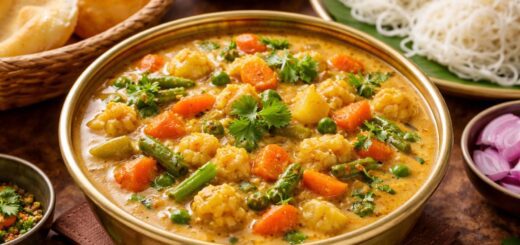
Tomato Kurma Without Onion: Essential Tomato Kurma Without
Tomato Kurma Without Onion Easy South Indian Style Recipe
Tomato Kurma Without Onion is a vibrant, tangy, and aromatic South Indian curry made without onion or garlic, perfect for festive days, vrat (fasting), or everyday meals. This delicious tomato kurma highlights ripe tomatoes, fragrant spices, and creamy coconut base for a rich gravy that pairs beautifully with dosa, idli, rice, chapati, or roti.
Recipe Card
| Prep Time | 15 minutes |
| Cook Time | 30 minutes |
| Total Time | 45 minutes |
| Servings | 4–5 servings |
| Difficulty | Easy |
About This Recipe
This Onion-Free Tomato Kurma is inspired by traditional South Indian thakkali kurma recipes and adapted to be the best “no onion no garlic” version. Authentic recipes often include a blend of coconut, roasted gram (pottukadalai), and whole spices ground into a paste and simmered with tangy tomatoes. This variation removes onions and garlic entirely while keeping robust flavour and creamy texture.
Ingredients
Masala Paste
- ⅓ cup freshly grated coconut (or desiccated coconut)
- 2 tbsp roasted gram (pottukadalai)
- 3–4 green chillies (adjust heat to taste)
- ½ tsp cumin powder
- 1 tsp coriander powder
- ½ tsp fennel seeds
- 2–3 cardamom pods
- 2 cloves
- ¼ tsp turmeric powder
- 1–1.5 cups water (for grinding)
Main Ingredients
- 2 tbsp cooking oil (neutral or coconut oil)
- 1 tsp cumin seeds
- ½ tsp mustard seeds
- 1 bay leaf
- 500 grams ripe tomatoes, finely chopped
- Salt to taste
- 1–1.5 cups water (adjust for consistency)
- 2 tbsp chopped coriander leaves (cilantro)
Step-By-Step Instructions
1. Grind The Coconut Spice Paste (10 minutes)
In a blender, add grated coconut, roasted gram, green chillies, cumin powder, coriander powder, fennel seeds, cardamom, cloves, turmeric and about 1 cup of water. Grind into a smooth, medium-thick paste. Set aside. This masala paste is the aromatic heart of the kurma. The roasted gram adds body, while coconut gives a creamy texture. Understanding Tomato Kurma Without Onion is essential.
2. Heat Oil And Temper Spices (2 minutes)
Place a heavy bottom pan or kadai on medium heat. Pour in 2 tbsp of oil. When hot, add cumin seeds, mustard seeds and bay leaf. Let them crackle and release fragrance (about 30 seconds). Keep heat at medium so spices don’t burn.
3. Cook Tomatoes (5 minutes)
Add the chopped tomatoes to the tempered spices. Sauté for 4–5 minutes until tomatoes soften and start breaking down. You should smell the sweet tomato aroma. Stir often to prevent sticking.
4. Add Masala Paste And Simmer (10 minutes)
Pour the ground coconut-spice paste over the softened tomatoes. Add salt to taste. Mix well and cook on medium-low for about 8–10 minutes until the raw smell of spices disappears and the oil begins to separate from the masala. This relates to Tomato Kurma Without Onion.
5. Adjust Consistency (5–7 minutes)
Now add 1–1.5 cups of water depending on the thickness you prefer. Stir gently. Bring the curry to a boil, then reduce heat and simmer for 5–7 minutes. The sauce will thicken to a luscious gravy that coats the back of a spoon.
6. Final Touches (1–2 minutes)
Turn off the heat. Sprinkle chopped coriander leaves over the kurma. Give it one light stir and cover for a minute to let the flavours meld. Serve hot.
Serving Suggestions
- Best paired with dosa, idli or uttapam for breakfast.
- Serve with steamed rice, ghee rice or pulav for lunch or dinner.
- Delicious with chapati, roti or paratha as a fulfilling meal.
Pro Tips From My Kitchen
When I visited South India and tasted kurma in a home kitchen, the tanginess of tomato with toasted coconut and roasted gram stood out—no onions required. What surprised me most was how creamy and rich this dish tastes despite its simplicity. Learn more about Tomato Kurma Without Onion.
- Choose ripe tomatoes: The deeper the red colour, the sweeter and fuller the flavour of the kurma will be.
- Control spice heat: Reduce green chillies if you’re serving kids or increase for an adult palate.
- Roasted gram boost: Don’t skip roasted gram—its nutty depth balances tomato acidity beautifully.
- Use coconut oil: If available, coconut oil elevates the aroma and gives an authentic South Indian touch.
Chef’s Notes
Substitutions
- If freshly grated coconut isn’t available, desiccated coconut rehydrated in warm water works fine.
- Cashew paste (soak 6–8 cashews and blend) adds extra richness if you want a creamier kurma.
- Bay leaf can be replaced with a small piece of cinnamon stick.
Storage Tips
This kurma keeps well in an airtight container in the refrigerator for up to 2–3 days. Reheat on stovetop before serving. You can freeze for up to one month, though texture is best when fresh.
Nutrition Information *(approx. per serving)*
| Calories | ~110–130 kcal |
| Fat | 7–9 g |
| Carbohydrates | 10–15 g |
| Protein | 2–3 g |
| Fiber | 3–4 g |
These values are estimated based on similar veg-kurma recipes without onion or garlic, where the calorie count is around 100 kcal per serving.
Health Benefits
Tomato Kurma is rich in antioxidants, particularly lycopene from tomatoes. Lycopene has been studied for its potential cardiovascular benefits and role in supporting overall health. For more on tomato nutrition and benefits, see the USDA and scientific references. Tomatoes also offer vitamins A and C, fiber, and low fat content, making this dish both nutritious and satisfying.
Common Questions (FAQs)
Can I make this without coconut?
Yes, you can omit coconut. But the texture will be thinner and less creamy. To replace the thickness, add soaked cashews or a spoon of Greek yogurt (if not vegan).
Is this recipe suitable for fasting days?
Yes, this version without onion and garlic fits many fasting traditions where nightshade vegetables are allowed. Adjust spices according to your specific fasting rules.
Can I make it in a pressure cooker?
Yes, you can sauté the masala and tomatoes, then add your spice paste and water before closing the cooker. Cook on 1–2 whistles and let pressure release naturally.
Why This Recipe Works
Tomato Kurma Without Onion highlights simple pantry ingredients transformed into a satisfying, robust curry. The balance of tangy tomato, aromatic spices, and creamy base yields a dish that is more than just a sauce—it’s a memorable flavour experience. I personally recommend trying it first with dosa and then pairing it with rice for variety.
Enjoy this wholesome curry and make it your go-to tomato curry when onions and garlic need to be skipped!