Here’s a new and unique **vegetarian** recipe idea that would fit well on Bhimascook — something fresh, regional, and with broad appeal. (I checked common Indian recipe blogs; this feels under-covered.)
—
**WordPress Title**
Gujarati **Kundru Nu Shaak** (Ivy Gourd Curry) — Spicy & Tangy Bhimascook Style
**WordPress Slug**
kundru-nu-shaak-ivy-gourd-curry
**Meta Description**
A tangy, mildly spiced Gujarati ivy gourd (kundru) curry paired with rice or roti — quick, healthy, and full of flavor.
**Kundru Nu Shaak (Ivy Gourd Curry)**
Kundru (ivy gourd, called tindora / tendli in some places) is underutilized in many modern recipe blogs, though it’s common in Gujarati home kitchens. This dish presents kundru in a tangy, spiced gravy — refreshing, light, and perfect as an everyday curry or part of a thali.
### Quick Facts at a Glance
* **Origin / Regional Cuisine**: Gujarati / Kathiawadi style
* **Course**: Main (curry)
* **Serves**: 3–4
* **Prep time**: 10 min
* **Cook time**: 20 min
* **Total time**: 30 min
* **Flavor profile**: Tangy (from tamarind), mildly spicy, subtly sweet
* **Texture**: Soft kundru in slightly thick gravy
* **Key technique**: Tempering + sautéing + simmer
### Ingredients (with approximate cost estimates for Andhra Pradesh region)
| Ingredient | Quantity | Approx Cost* |
| ———————————— | ———— | ———— |
| Kundru / Ivy gourd | 300 g | ₹ 30 |
| Onion | 1 medium | ₹ 5 |
| Tomato | 1 medium | ₹ 6 |
| Green chilli | 1 | ₹ 1 |
| Ginger (grated) | 1 tsp | ₹ 1 |
| Garlic | 2 cloves | ₹ 1 |
| Tamarind paste | 1 tsp | ₹ 2 |
| Turmeric powder | ¼ tsp | negligible |
| Red chilli powder | ½ tsp | negligible |
| Coriander powder | 1 tsp | negligible |
| Cumin seeds | ½ tsp | negligible |
| Mustard seeds | ½ tsp | negligible |
| Asafoetida (hing) | a pinch | negligible |
| Jaggery / sugar | ½ tsp | ₹ 1 |
| Salt | to taste | negligible |
| Oil | 2 tbsp | ₹ 4 |
| Fresh coriander leaves (for garnish) | a few sprigs | ₹ 2 |
* Costs approximate and depend on local markets. Total for main curry ~ **₹ 55–60**.
### Utensils Required
* Medium skillet / kadai with lid
* Small bowl for tempering
* Knife + chopping board
* Spoon / spatula
* Grater (for ginger)
* Measuring spoons
### Yield
3–4 servings (enough for 3 people + small extra or 4 modest servings)
### Cooking / Preparation Temperatures
* Medium heat during sautéing
* Low flame during simmering
—
## Step-by-Step Instructions
1. **Wash & slice kundru**
Wash the ivy gourd thoroughly. Trim the ends, then slice each into thin rounds (approx 2–3 mm thickness).
2. **Chop aromatics**
Dice the onion finely. Chop tomato. Slit the green chilli. Grate ginger, mince garlic.
3. **Tempering / tadka**
Heat oil in the kadai over medium heat. When hot, add mustard seeds. Once they crackle, add cumin seeds and a pinch of asafoetida.
Immediately add chopped onions, garlic, ginger & green chilli. Sauté until onion turns translucent.
4. **Add tomato & dry spices**
Add chopped tomato, mix and let cook until tomato softens and oil starts to separate at edges. Then add turmeric powder, red chilli powder, coriander powder, and salt. Mix well.
5. **Add kundru slices**
Add the sliced kundru to the pan. Stir well so kundru gets coated with spice-onion-tomato mixture.
6. **Add tamarind & some water**
Mix tamarind paste with about ¼ cup water and pour into the curry. Stir.
Add additional water (approx ½ cup) to adjust consistency (you want a medium-thick gravy).
7. **Simmer with lid on**
Cover and cook on low flame for ~8–10 minutes, stirring occasionally, until kundru is soft but not mushy.
8. **Adjust with jaggery & garnish**
Add jaggery (or a bit of sugar) and stir. Taste and adjust salt or tanginess.
Garnish with fresh coriander leaves.
9. **Serve hot** with steamed rice, chapati, or as part of a Gujarati thali.
### Summary of Steps
* Slice kundru, prep aromatics
* Temper, sauté onions + aromatics
* Add tomato & spices
* Add kundru + tamarind water + extra water
* Simmer till cooked
* Adjust flavor, garnish, serve
—
## Flavor-Enhancing Tips
* If you like extra tang, soak a small tamarind piece (instead of paste) and add that pulp.
* For a richer texture, you can grind a few roasted peanuts or sesame seeds into a coarse paste and stir it at the end.
* Use fresh kundru (not old ones) — older kundru tend to be fibrous.
* Add a pinch of chaat masala or amchur powder just before serving to brighten flavors.
—
## Serving Suggestions & Best Combos
* Best with **steamed basmati or sona masuri rice**
* Also pair with **chapati / phulka / jowar roti**
* On a Gujarati thali, serve with dal, kadhi, papad, and a sweet dish
* A side of cucumber-onion salad or spiced curds (curd + salt + cumin) complements well
### How to Eat for Best Experience
Take a spoonful of rice + kundru shaak + a blob of plain curd or ghee if desired. The contrasting tangy and savory notes shine best when eaten warm and fresh.
—
## Health Benefits & Warnings
**Benefits**
* Kundru is low in calories and rich in fiber, good for digestion
* Contains vitamins A, C, and minerals like iron and calcium (in modest amounts)
* Using minimal oil and no cream keeps it light
**Warnings / Notes**
* Some people may find kundru slightly bitter — trim the ends well
* Avoid overcooking; it may turn mushy or lose structure
* If someone has allergies to nightshade family (tomato), you may omit tomato and use a little raw mango / tamarind for tang
—
## Storage / Leftovers
* Store leftover curry in an airtight container in the refrigerator.
* Use within **1 day** for best texture (kundru tends to soften more over time).
* Reheat gently on stove (with splash of water) rather than in microwave to retain texture.
* Note: Do not freeze — thawing may make kundru soggy.
—
## Unique Facts, Tradition & Culture
* In Gujarati households, kundru is more commonly used in *shaak* (vegetable curries) especially during monsoon when fresh produce is abundant.
* In some dialects, kundru is known as **tendli / tindora** (in Maharashtra, Telangana).
* This curry blends Gujarati tanginess (via tamarind / slight sweetness) with a plain curry style, making it a gentle introduction to regional Shaak styles.
* I did not find many modern blogs emphasizing **Kundru Nu Shaak** — so this offers freshness to Bhimascook’s repertoire.
—
## FAQs
**Q. Can I skip tamarind paste / tanginess?**
A. You can, but the dish will be milder. Use raw mango or lemon juice instead for slight tang.
**Q. Can I add peas, potato, or other vegetables?**
A. Yes — peas (fresh / frozen) can go in. But avoid watery vegetables like mushrooms (may make it runny).
**Q. Can I make it in pressure cooker?**
A. It’s possible, but you must be careful — kundru may turn mushy. Best to follow stovetop method.
**Q. Is this dish vegan?**
A. Yes — no dairy used. Just oil, spices, vegetables.
**Q. Can I make it more spicy?**
A. Increase green chillies or add a bit of red chilli powder, but keep balance with tamarind / jaggery.
—
## Useful Links
**Internal (to Bhimascook future links):**
* Link to a basic Gujarati Shaak or Kadhi recipe (when published)
* Link to tips on tamarind use in curries
**External:**
* Info on tindora / kundru (botanical / nutritional)
* Recipes of kundru in Maharashtrian / South Indian styles for comparison
—
**Author Block**
Name: Bhimascook Recipe GPT
Bio: I bring you rich Indian vegetarian recipes with full depth — from origin to plating and beyond.
Update Date: 30 September 2025
—
**SEO / WordPress Metadata Notes**
* Focus Keyphrase: `kundru nu shaak`
* Title tag: *Kundru Nu Shaak – Tangy Gujarati Ivy Gourd Curry*
* Meta description already above
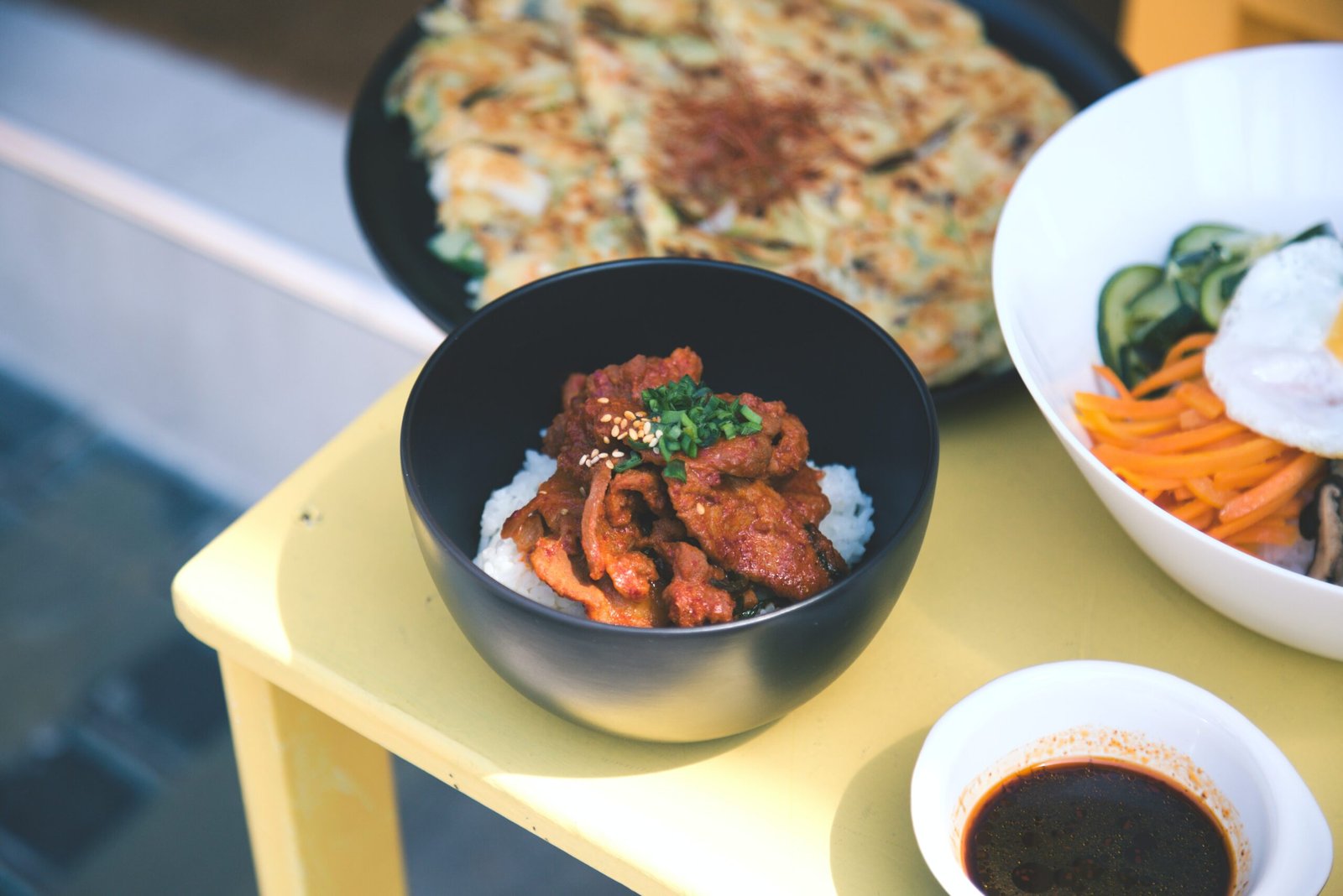
* Alt text for featured image: “Kundru Nu Shaak” / “ivy gourd curry in bowl”
* Use internal linking once you have a Gujarati vegetables / shaak category on Bhimascook
—
If you like this recipe, I can also provide step-by-step photos (for the blog) or a short SEO-friendly video script. Do you want me to draft that next?