Restaurant-Style Paneer Lababdar | Rich North Indian Vegetarian Curry
Learn how to make delicious vegetarian Paneer Lababdar—a rich, tangy, creamy North Indian curry featuring cottage cheese, cashews and tomato-onion gravy. Ideal for special occasions and home cooks alike.
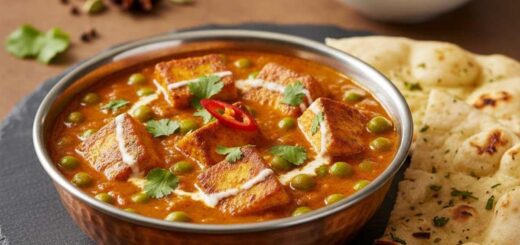
In the rich pantheon of North Indian vegetarian curries, Paneer Lababdar shines as a favourite for its luxurious texture, tangy-sweet aroma and iconic restaurant-style appeal. Unlike simpler paneer gravies, this dish draws on a blend of cashew-tomato-onion paste, whole aromatic spices and shredded paneer for depth and character. Recent vegetarian food trends affirm that such indulgent yet plant-based mains are increasingly popular in Indian homes and gatherings.
In this article you’ll discover not only how to make Paneer Lababdar step-by-step but also the cultural background, useful tips, nutritional highlights and storage advice—making it perfect for your vegetarian blog, dinner party or festive menu.
Quick Facts
Cuisine: North Indian, Punjabi-style
Course: Main course, vegetarian
Serving Size: Serves 4 (approx)
Prep Time: 15 minutes
Cook Time: ~30 minutes
Key Ingredients: Paneer, tomatoes, cashews, onions, cream, garam masala
Focus Keyword in Use: Paneer Lababdar
Why Paneer Lababdar is Trending & Worth Making
Plant-based indulgence. As vegetarian and vegan diets gain traction across India, creamy paneer gravies offer satisfying texture and flavour without compromising the “veg only” ethos.
Rich in tradition and restaurant appeal. Though a home-recipe favourite, Paneer Lababdar carries the flair of dhaba and restaurant cooking—great for special occasions or for elevating a weekday meal.
Adaptable and crowd-pleasing. The recipe accommodates mild heating for family gatherings, or could be spiced up for festive occasions. Its creamy texture makes it accessible even to kids and less adventurous eaters.
Nutritional bonus. Paneer provides high-quality vegetarian protein and calcium, while the gravy adds cashews (healthy fats) and tomatoes (micronutrients). Balanced with roti, naan or rice, it becomes a wholesome meal.
Ingredients & Preparation Overview
Ingredients
250 g good quality paneer (cut into ~2 cm cubes)
8–10 cashew nuts (soaked)
2 medium ripe tomatoes (chopped)
½ cup finely chopped onion
2 tbsp butter or ghee
1 bay leaf, 1 small cinnamon stick, 3 cardamom pods, 3 cloves
1 tsp ginger-garlic paste
1 tsp Kashmiri red chili powder (or mild chilli)
½ tsp turmeric powder
½ tsp cumin powder, ½ tsp coriander powder
¼ cup fresh cream (optional)
1 tsp garam masala
1 tsp dried fenugreek leaves (kasuri methi)
Salt and sugar to taste
Fresh coriander leaves for garnish
(Based on adapted versions of standard recipes)
Preparation Summary
Make the cashew-tomato-spice paste: Soak cashews; boil tomatoes + cardamom/cloves etc; blend to smooth paste.
Sauté onions & whole spices: Melt butter/ghee; add bay leaf, cinnamon, cardamom, cloves; sauté chopped onions until translucent; add ginger-garlic paste.
Cook the gravy: Add the blended paste, water to adjust consistency; add chili powder, turmeric, cumin & coriander powder; simmer.
Add paneer: Stir in paneer cubes (and optionally some grated paneer for texture); add cream, kasuri methi and garam masala towards the end.
Finish & garnish: Let everything come together for 2-3 minutes; garnish with fresh coriander; serve hot with naan, roti or jeera rice.
Step-by-Step Recipe for Paneer Lababdar
Prep Work & Base Gravy
Soak the cashews in warm water for 10 minutes. Meanwhile, blanch the tomatoes (or just chop if ripe and soft).
In a saucepan, bring ~½ cup water to boil with the tomatoes, cashews, 2 cloves, 2 cardamoms, 1 bay leaf and the cinnamon stick. Let it boil 8-10 minutes until tomatoes soft. Cool slightly and blend into a smooth paste.
Toss the bay leaf/cinnamon etc out if you prefer, or leave them for extra aroma.
Sauté and Spice Layer
In a heavy-bottomed pan/kadai, heat 2 tbsp butter or ghee. Add 1 bay leaf, the cinnamon stick, cardamom pods and cloves; sauté for ~30 seconds until fragrant.
Add chopped onions; sauté until translucent (don’t overbrown). Add the ginger-garlic paste; sauté another minute.
Building the Gravy
Pour in the blended tomato-cashew paste; stir well. Add about ¼ to ½ cup water (adjust to desired consistency).
Add 1 tsp Kashmiri red chili powder, ½ tsp turmeric, ½ tsp cumin powder, ½ tsp coriander powder; stir for 1-2 minutes.
Add salt and a small pinch of sugar (sugar balances the tang). Let the mixture simmer on low heat for about 5-6 minutes until the gravy thickens slightly.
Adding Paneer & Finishing Touches
Add the paneer cubes into the gravy; if you wish, reserve some paneer and grate/crumb it into the sauce for extra richness. ]
Pour the fresh cream and sprinkle in the dried fenugreek leaves (kasuri methi) and 1 tsp garam masala; stir gently and let it rest for 2-3 minutes.
Garnish with fresh coriander leaves. Serve immediately with naan, roti, paratha or jeera rice.
Serving, Plating & Storage
Serving & Plating
Serve in a wide shallow bowl to showcase creamy gravy and paneer cubes.
Garnish with coriander and a swirl of cream for visual appeal.
Pair with garlic naan, tandoori roti or steamed basmati rice for a complete meal.
For a meal spread, add a simple vegetable side (e.g., sautéed green beans) and a cooling raita.
Storage & Re-heating
Store leftover gravy and paneer in an airtight container in the fridge for up to 2 days.
When reheating, gently warm in a pan; avoid boiling or high heat to prevent paneer becoming rubbery.
If gravy thickens too much, add a tablespoon of milk or hot water to loosen consistency.
Freezing is not recommended as cream and paneer texture may change.
Health & Nutrition Insights
Paneer is an excellent vegetarian source of protein and calcium.
Cashews contribute healthy monounsaturated fats and a creamy texture without needing heavy cream alone.
Tomatoes and onions provide vitamins, antioxidants and fibre.
Use of moderate butter/ghee still keeps the richness but controlling portion size ensures balanced nutrition.
To lighten the dish: use low-fat paneer, reduce cream or substitute with cashew cream, and moderate the butter/ghee.
As noted, vegetarian meals are ideal for nutrient balance, fibre and plant-based protein.
Tips & Variations
Tip: Use ripe, red tomatoes for a vibrant colour and natural sweetness.
Tip: For smoother texture, you may blend onions with tomatoes; however, the chopped-onion version gives better texture and depth (as referenced by recipe sources).
Variation: Turn it into a vegan version by replacing paneer with firm tofu, substituting cream with cashew cream and using oil instead of butter/ghee.
Spice Level: Adjust chili powder and green chili as per your family’s taste.
Regional Flair: Use smoked ghee or perform the “dhungar” (smoke infusion) for authentic dhaba feel.
Serving Size Variation: For fewer servings, scale down ingredients proportionally.
Conclusion
Rich, indulgent yet rooted in vegetarian sensibility, Paneer Lababdar stands out as a dish that satisfies both taste and cultural tradition. For your next special occasion or weekend treat, this curry offers creamy bliss while remaining vegetarian-friendly. Whether served with naan or a fragrant jeera rice, it’s bound to impress. Unlock the full flavour of Paneer Lababdar in your kitchen—and don’t forget to share the joy!
Ready to cook? Gather your ingredients and dive into the creamy, aromatic world of Paneer Lababdar.
Call to Action: Try this recipe tonight, share your photo and tag us—it could be featured on Bhima’s Cook!
Useful Links
FAQs
Q1: What is Paneer Lababdar and how is it different from Paneer Makhani?
A1: Paneer Lababdar is a creamy North Indian curry made with paneer in a tomato-cashew-onion gravy, often includes chopped onions and shredded paneer for texture. The difference from Paneer Makhani is that makhani typically excludes onions and has a smoother, butter-based gravy.
Q2: Can I make Paneer Lababdar ahead of time for a party?
A2: Yes — you can prepare the gravy and paneer separately up to a day in advance, then combine and gently reheat just before serving. Add cream and kasuri methi last minute for fresh flavour.
Q3: How can I lighten this dish for health-conscious diners?
A3: Use low-fat paneer, reduce or skip the butter/ghee, substitute cream with low-fat yogurt or cashew cream, increase onion/tomato base and serve with whole-wheat roti instead of naan.
Q4: Is it okay to freeze Paneer Lababdar?
A4: Freezing is not ideal because cream and paneer may change texture. It’s best refrigerated (up to 2 days) and gently reheated.
Q5: What sides go well with Paneer Lababdar?
A5: Garlic naan, tandoori roti, jeera rice or plain steamed basmati rice pair beautifully. Add a cooling cucumber-mint raita and simple vegetable sabzi for a balanced vegetarian spread.