Carrot Halwa Without Milk: Easy Ghee-Based Recipe
Carrot halwa without milk gets its richness from grated carrots, sugar and ghee rather than a long simmer in liquid milk. This recipe keeps the original Bhimas Cook method, with practical cues to help you judge when the carrots are tender and the mixture is ready.
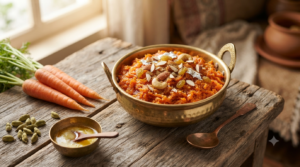
Traditional homemade carrot halwa prepared without added liquid milk using grated carrots, sugar, ghee and cardamom.
Allergen note: This version has no added liquid milk, but it is not dairy-free. Regular ghee comes from milk. The original recipe also uses cashews and almonds, which are tree nuts. Anyone with a milk or tree-nut allergy needs suitable ingredients and controls against cross-contact.
Carrot Halwa Without Milk at a Glance
- Method: Cook grated carrots in ghee, add water as needed, then stir in sugar and cardamom.
- Texture: Soft carrot strands in a moist, spoonable mixture, without a pool of free liquid.
- Milk status: No milk is poured into the pan, but the standard recipe still contains dairy through ghee.
- Allergens: Milk from ghee; tree nuts from cashews and almonds when included.
- Timing: The older post gave 15 minutes to prepare and 30 minutes to cook. These figures have not been kitchen-tested for this update.
Unlike the traditional milk-based dessert, this method relies on the carrots’ own moisture plus some water. As a result, the cook must watch the pan more closely near the end.
Ingredients for Carrot Halwa Without Milk
The amounts below come from the existing published recipe. They are original-recipe quantities, not a newly tested or guaranteed batch. Carrot size, moisture and the width of your pan will affect the result, so treat water and sugar as adjustable.
| Ingredient | Original amount | How to use it |
|---|---|---|
| Grated carrots | 4 cups | Main ingredient; pack the cup loosely and consistently. |
| Sugar | 1 cup | Original sweet amount; add gradually to taste. |
| Ghee | 3 tablespoons | Milk-derived fat; reserve a little for the garnish. |
| Cardamom powder | 1 teaspoon | Use to taste; its flavour can be strong. |
| Cashews | 2 tablespoons | Optional tree-nut topping. |
| Almonds | 2 tablespoons | Optional tree-nut topping. |
| Raisins | 2 tablespoons | Optional sweet garnish. |
| Water | 1 cup | Original allowance; add only as needed. |
Four cups of grated carrots can weigh different amounts depending on the grater and how firmly you fill a cup. Also, one cup of sugar can produce a very sweet halwa. Begin with less if you prefer, then taste after it dissolves.
Use a heavy-bottomed kadai or pan, a broad spatula and a grater. A wide pan lets moisture escape faster. However, it also needs closer attention once the mixture begins to dry.
How to Make Carrot Halwa Without Milk
For carrot halwa without milk, first soften the grated carrots in ghee. Add a little water only when the pan needs it. Then cook in the sugar until the carrots look glossy and tender. Finish with cardamom and, if suitable, toasted nuts or raisins.
Stage One: Soften the Carrots
- Prepare the carrots. Wash, peel if you prefer, and grate the carrots. Keep the shreds fairly even so they soften at a similar rate.
- Warm the pan. Put the heavy-bottomed pan over medium heat and melt most of the ghee. Keep a little aside if you plan to toast the garnish.
- Cook the carrots. Add the grated carrots and stir. Let them soften and release moisture, but lower the heat if the bottom starts to catch.
- Add water only if needed. Pour in a little from the original one-cup allowance when the carrots remain firm and the pan looks dry. Do not add the entire cup automatically.
- Wait for tenderness. Continue cooking until a carrot strand breaks easily when pressed. Let excess water evaporate before adding much sugar.
Stage Two: Sweeten and Finish
- Sweeten gradually. Add some of the original sugar amount, stir until it dissolves, and taste carefully once the mixture cools enough to sample.
- Reduce the moisture. Keep stirring over low to medium heat. Sugar draws out more moisture, so the mixture may loosen before it thickens again.
- Add cardamom. Stir in the spice near the end. Add it gradually because a full teaspoon can dominate a small batch.
- Prepare the garnish. If no one eating has a relevant allergy, lightly toast the cashews, almonds and raisins in the reserved ghee. Or simply leave them out.
- Finish and serve. Fold in the garnish, then take the pan off the heat once the halwa holds together softly without standing water.
Timing note: The earlier post suggested sautéing for 10–15 minutes and a total cooking time of 30 minutes. Those are inherited estimates, not verified results. A larger batch, wetter carrots or a smaller pan can take longer.
How to Check if Carrot Halwa Without Milk Is Ready
Carrot halwa without milk should be moist, not soupy. The carrot shreds should be soft but still visible. When you draw a spatula across the base, the mixture should slowly settle back rather than flood the gap. It should smell of cooked carrots and cardamom, without a raw vegetal note.
Do not chase a completely dry texture. The halwa firms as it cools, so stopping while it remains a little moist helps avoid a chewy, overcooked result.
Is Carrot Halwa Without Milk Dairy-Free?
No, not when it contains standard ghee. Skipping liquid milk does not remove all milk ingredients. Ghee is clarified milk fat and can contain residual milk proteins. For someone avoiding milk protein, the absence of poured milk does not establish safety.
The U.S. Food and Drug Administration explains that those protein levels can vary with processing.
So, call the original dish halwa without added liquid milk, not milk-allergen-free halwa. This difference matters when someone is choosing a sweet for a person with a food allergy.
What About Milk Allergy or Lactose Intolerance?
Milk allergy involves a reaction to milk proteins. Lactose intolerance concerns difficulty digesting milk sugar. They are not the same condition, so one person’s tolerance of ghee cannot establish safety for another.
The food-allergy organisation FARE lists ghee among milk-derived ingredients that people managing milk allergy should avoid. This ghee-based recipe is therefore not suitable for someone who must avoid milk protein. People managing lactose intolerance should follow their own medical advice and check product labels rather than rely on a broad claim about this dessert.
Cashews, Almonds and Cross-Contact
Cashews and almonds are tree nuts. If you serve halwa to someone with a tree-nut allergy, do not assume that removing a visible garnish makes a previously mixed batch safe. Nut particles may remain on the pan, spatula or serving spoon.
Check every ingredient label and use clean, separate utensils when preparing food for an allergy-sensitive guest. The UK Food Standards Agency’s allergen guidance explains why cross-contact and ingredient checks matter. For a serious allergy, follow the person’s allergy-management advice.
Carrot Halwa Without Milk Preparation and Cooking Time
The old recipe listed 15 minutes of preparation, 30 minutes of cooking and 45 minutes overall. Those numbers were not supported by a recorded kitchen test, so they should not appear as guaranteed timings. Use them only as rough planning references.
Preparation varies with the number of carrots and the grater you use. Cooking changes with carrot moisture, pan width and heat. When the carrots are still firm, keep cooking. If the pan starts sticking, reduce the heat instead of forcing a fixed schedule.
Common Mistakes When Making Carrot Halwa Without Milk
If the Mixture Stays Watery
In carrot halwa without milk, carrots release water as they cook, and sugar draws out even more. Leave the pan uncovered and stir gently until the loose liquid reduces. Avoid adding more water unless the carrots still need softening and the base is becoming dry.
If the Halwa Sticks to the Bottom
Lower the heat right away, then scrape the base gently with a spatula. A heavy pan distributes heat more evenly, but it does not prevent burning once the sugar thickens. If a burnt smell develops, move the unburnt portion to a clean pan without scraping up the dark layer.
If the Carrots Taste Raw
The shreds may need more time before the mixture dries out. Add a small splash of water, cover briefly if necessary, and cook until a strand is tender. Then remove the lid and reduce any remaining moisture.
If the Halwa Becomes Too Sweet or Dense
Add sugar in stages next time instead of using the full original amount at once. If the finished dish is dense, warm it gently with a small splash of water and stir. That can loosen the texture, although it cannot remove sweetness already added.
Carrot Halwa Without Milk: Ghee Alternatives
Yes, you can try a neutral plant oil or coconut oil for a different version. However, that is a substitution suggestion, not a kitchen-tested variation of the published recipe. Flavour and texture may change because ghee contributes its own aroma and richness.
For a fully plant-based version, use no milk-derived ingredients and check packaged products for hidden milk components. If you need a nut-free preparation too, omit the cashews and almonds and control cross-contact. Bhimas Cook also explains an alternative dessert preparation method, but note that its published ingredient list includes liquid milk.
Serving and Storing Carrot Halwa Without Milk
Serve the carrot halwa warm in small bowls. Raisins add sweetness, while cardamom provides aroma. If your guests have no nut allergies, you can add lightly toasted almonds and cashews just before serving. Otherwise, leave them off and keep shared serving spoons clean.
Cool leftovers promptly in shallow containers and refrigerate them within two hours of cooking. In very hot conditions above 32°C, chill within one hour. Keep the refrigerator at 4°C or colder. The FoodSafety.gov food safety guidance advises using cooked leftovers within four days; for this homemade sweet, a conservative plan is to finish refrigerated leftovers within three days.
Reheat only the portion you need until thoroughly hot, and avoid repeatedly warming the whole container. If the halwa has sat out too long, discard it rather than rely on smell alone.
Carrot Halwa Without Milk: Final Cooking Tips
Carrot halwa without milk is a useful option when you want to skip the long milk-reduction step. Yet the original ghee-based version still contains a milk-derived ingredient. Keep that distinction clear when sharing the recipe, and disclose the optional tree nuts.
The original quantities offer a starting point, not a tested promise. Taste the sugar gradually, watch the carrot texture and cook until the loose water has gone. Those cues are more useful than the old fixed time and cost claims.
Carrot Halwa Without Milk FAQs
Does Carrot Halwa Without Milk Contain Dairy?
Yes, this version contains dairy because it uses ghee. It leaves out liquid milk, but ordinary ghee comes from milk. Do not serve the original recipe as milk-allergen-free food.
Can I Make Carrot Halwa Without Milk and Without Nuts?
Yes, omit the cashews and almonds. However, if you are cooking for someone with a nut allergy, also check ingredient labels and clean the pan and utensils to avoid cross-contact.
How Much Water Should I Add?
The original post lists one cup of water, but that is an untested allowance rather than a required addition. Start with less and add small amounts only if the carrots need moisture to soften.
Can I Replace Sugar With Jaggery?
Jaggery can give a deeper flavour, but it also changes sweetness and moisture. This swap has not been tested in this version, so add it gradually and judge the halwa by its final texture.
Why Does the Mixture Become Runny After Adding Sugar?
Sugar draws moisture from the carrots, so the mixture can loosen for a while. Continue stirring over gentle heat until the extra liquid cooks away.
Is This Recipe Suitable for Someone With Milk Allergy?
No, the original recipe uses milk-derived ghee. For milk allergy, avoid this version and follow individual allergy advice. Simply skipping liquid milk does not make it safe.
Can I Use Coconut Oil Instead of Ghee?
Yes, coconut oil is a possible cooking substitution. The taste will differ, and the revised version has not been kitchen-tested. Check all other ingredients if you need to avoid dairy.
Can I Make the Halwa Ahead of Time?
Yes, refrigerate it promptly in a covered, shallow container. Keep it cold and use it within three days as a conservative home plan. Reheat a portion thoroughly before serving.