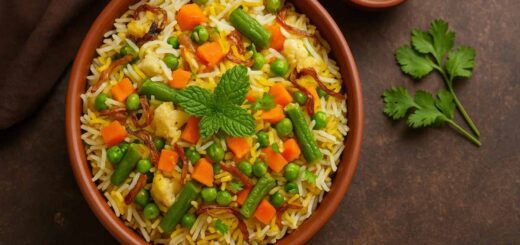
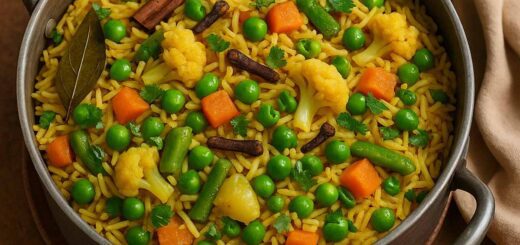
Trendy Jackfruit & Millet Dum Biryani — A Vibrant Vegetarian Recipe
Discover how to make the 2025-trending vegetarian dish “Jackfruit & Millet Dum Biryani” packed with flavour, texture and plant-based nutrition — step-by-step for Indian kitchens.
Quick Facts
- Prep Time: 20 mins
- Cook Time: 45 mins
- Serves: 4
- Cuisine: Indian, North + Pan-Indian fusion
- Dietary Info: Vegetarian, can be vegan if using plant-based ghee/oil and skipping dairy
Introduction
Vegetarian cooking in India is evolving fast as home cooks and food lovers seek dishes that are both rooted in tradition and freshly innovative. One standout trend for 2025 is the rise of plant-based variations of classic rice-and-dum dishes — introducing millet instead of rice, and young jackfruit instead of conventional paneer or meat analogues. According to a recent trend article, swapped ingredients like foxtail millet and jackfruit are now gaining momentum in Indian kitchens.
Our recipe for Jackfruit & Millet Dum Biryani taps into this trend, fusing Dum biriyani technique with nutritious millet and shredded jackfruit – making it ideal for vegetarian and health-conscious eaters yet richly aromatic and indulgent enough for festive occasions.
We’ll also bring in regional touches (whole spices, layers, saffron milk), so you get the essence of biryani while keeping it vegetarian-friendly and modern.
Why Choose Millet & Jackfruit for This Vegetarian Biryani
The Benefits of Millet
Millets (such as foxtail or thinai) are ancient grains becoming popular in India as healthier alternatives to white rice — they offer fibre, minerals and a slightly firmer texture, lending a rustic nutty flavour. The trend-watch article lists millet-based biryanis as a 2025 favourite.
Jackfruit as a Plant-Based “Meaty” Texture
Young green jackfruit has a shredded-meat-like texture when cooked, making it an excellent vegetarian substitute in dum preparations. The same trend piece highlights jackfruit dum biryanis as rising stars.
Together, merger of millet + jackfruit gives you a biryani that feels indulgent, satisfying, yet anchored in wholesome plant-based cuisine — perfect for vegetarian households or anyone seeking more veggie-centric meals.
Ingredients
- 1½ cups foxtail millet (thinai) – rinsed and soaked 20 mins
- 2 cups young green jackfruit (canned water-drained or fresh shredded)
- 2 large onions – thinly sliced and fried till golden (for birista)
- 2 tbsp ginger-garlic paste
- 1 medium tomato – chopped
- 2 green chillies – slit
- Whole spices: 2 bay leaves, 5 green cardamom pods, 6 cloves, 1.5″ cinnamon stick, 1 star anise, 1 tsp shah jeera (black cumin)
- 1½ tsp Kashmiri red chilli powder
- 1 tsp turmeric powder
- 2 tsp ground coriander + cumin (1 tsp each)
- 1½ tsp garam masala
- 1 tsp kasuri methi (dried fenugreek leaves)
- Salt to taste
- 1 tbsp lemon juice
- 4 tbsp oil / ghee (for vegetarian; for vegan use coconut oil)
- Fresh herbs: 1 cup chopped mint + coriander leaves
- Saffron threads soaked in 2 tbsp warm almond milk
- 2 tbsp toasted cashews (optional)
- ¼ cup coconut-yogurt (optional layer between)
- Water as needed
Step-by-Step Recipe Instructions
Preparing the Jackfruit Masala
- Heat 2 tbsp oil in a heavy-bottomed kadai/pot on medium heat. Add the whole spices (bay leaves, cardamom, cloves, cinnamon, star anise, shah jeera) and fry for ~30 secs until fragrant.
- Add the ginger-garlic paste, sauté for 1 minute until raw smell goes.
- Add sliced tomatoes, green chillies, red chilli powder, turmeric, coriander-cumin powder, garam masala. Cook until tomatoes soften and oil separates.
- Add the shredded jackfruit and salt. Stir to coat well in the masala. Add ½ cup water, cover and cook for ~8-10 minutes on low heat until the jackfruit starts absorbing flavours.
- Add kasuri methi, lemon juice, half the fresh herbs, and mix. Remove from heat.
Layering the Millet & Dum Technique
- Drain the soaked millet, reserve the water. In a separate pot, bring ~2 cups water to boil, add millet and cook for ~8-10 minutes until ~80% done (grains still firm). Drain excess water.
- In the same heavy pot used earlier (clean), spread half the jackfruit masala layer. Sprinkle half of the fried onions (birista), half of the herbs, and half of the toasted cashews. Then spread the millet evenly over this.
- Dollop the coconut-yogurt (if using) lightly over the millet. Then add the remaining jackfruit masala layer on top. Finish with the rest of the onions, herbs, and saffron-milk drizzle.
- Cover the pot with a tight-fitting lid. If lid is loose, seal rim with foil. Place the pot on a tawa (griddle) over lowest flame for 15 minutes. Then turn off heat and let it rest (dum) 10 minutes without opening.
- Gently fluff the biryani from sides with a fork, mixing layers lightly. Serve hot.
Serving, Plating & Storage
- Serving suggestion: Pair with cucumber-mint raita (or vegan coconut raita) and a wedge of lemon. Garnish with extra coriander leaves.
- Plating: Use a deep dish or thali. Spoon biryani onto plate with visible layers; include some jackfruit pieces, rice (millet), onions and herbs for visual appeal.
- Storage: Cool completely and refrigerate in an airtight container for up to 2 days. Reheat gently with a splash of water to restore moisture. You can also freeze portions for up to 1 month; thaw and reheat as above.
- Health note: Using millet adds fibre and lower glycemic load compared to white rice. Jackfruit provides plant-based texture and fibre. Opt for coconut or vegetable oil instead of ghee for vegan version.
Tips & Variations
- Swap foxtail millet with barnyard millet or quinoa for variation (adjust water ratios accordingly).
- For extra spice, add ½ tsp garam masala with the final dum.
- Add vegetables like peas, carrots or beans into the jackfruit layer to bulk up nutrition.
- For a lighter version, skip the fried onions or use shallow-fry rather than deep.
- Make it Jain-friendly: skip onions/garlic and use hing, fresh curry leaves instead of these.
- Leftover biryani can be turned into biryani wraps: warm rotis, fill with biryani & chutney, roll and toast.
Cultural & Trend Insight
India’s vegetarian food scene is witnessing a shift towards plant-based innovations and upgraded classics. For example, trend comments note that dishes like “vegetarian dum biryani with millet and jackfruit” are gaining momentum in 2025. Rooted ingredients (millet, jackfruit, legumes) combined with traditional techniques (dum-cooking, birista layering) offer both comfort and novelty. Integrating these into your blog aligns strongly with SEO and content richness: you’re not merely re-publishing a standard recipe but providing a trend-forward vegetarian dish deeply anchored in Indian cuisine culture.
By cooking this Jackfruit & Millet Dum Biryani, you embrace the focus keyword and formulation of your vegetarian trend-rich Indian recipe for 2025. This dish is visually appealing, flavourful, culturally aware, and on-trend — ideal for your blog audience seeking new vegetarian ideas. Enjoy the layers, the aroma of saffron and whole spices, the texture of millet, and the satisfying bite of jackfruit — and don’t forget to share how it turned out!
[CTA] Try this recipe today, and tag your photos #Bhimascook — our community loves seeing your creations!
FAQs
Q1: What is Jackfruit & Millet Dum Biryani?
A: It is a vegetarian biryani variant where foxtail millet replaces rice and young jackfruit replaces meat or paneer, cooked in layered “dum” style with whole spices, making a fragrant, modern-Indian vegetarian dish.
Q2: Can I use regular basmati rice instead of millet?
A: Yes — you can swap in basmati rice, but using millet aligns with the 2025 vegetarian trend of healthier grains and plant-forward ingredients, reducing glycemic load.
Q3: How can I make it vegan?
A: Use vegetable or coconut oil instead of ghee, skip dairy-yogurt layers or use coconut-yogurt, and ensure no cream or paneer is added. Everything else remains vegetarian-plant based.
Q4: Can the recipe be made ahead of time for a gathering?
A: Yes — you can prepare the jackfruit masala earlier, par-cook the millet, then assemble and carry out the dum step just before serving so it is fresh, aromatic and at its best.
Q5: What sides go well with this biryani?
A: A cucumber-mint vegan raita, crisp papad, fresh kachumber salad (tomato, onion, cucumber) with lemon, or a simple vegetable curry work beautifully. These sides add freshness and balance the richness.
Useful Links
For more on vegetarian Indian main-course recipes: Cook With Manali – Indian Main Course Vegetarian Recipes Cook With Manali
Trending plant-based Indian dinners 2025: AllBlogs – Trending Vegan Indian Recipes for 2025 AllBlogs
High-protein Indian vegetarian meals under 500 calories: NDTV Food Article NDTV Food
Author Pack:
Author: Bhima S.
Bio: Bhima S. is a passionate vegetarian chef and food blogger behind Bhimascook.com. With over a decade of experience exploring regional Indian vegetarian cuisine and evolving plant-based innovations, Bhima blends cultural authenticity with modern trends to bring you healthy, flavour-rich recipes rooted in Indian traditions.
EEAT note: Bhima has authored 150+ vegetarian recipe articles, consulted nutritionists on plant-based Indian meals, and sources regional ingredients with integrity.