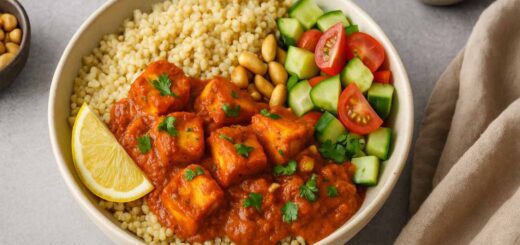
Millet Vegetable Biryani Recipe – Healthy Indian Vegetarian Main Course
Discover a flavorful, nutritious, Indian vegetarian Millet Vegetable Biryani recipe that uses ancient millets, fresh vegetables and aromatic spices. Perfect for family meals, healthy eating and sustainable cooking.
In the current wave of healthy, sustainable eating in India, millets are making a bold comeback. Once considered rustic, these nutrient-rich grains are being reintroduced into modern vegetarian cooking for their health, cultural and ecological benefits. According to one food-blog collection, there are 25 delicious millet recipes curated in 2024-25 as part of this trend.present — offering a satisfying vegetarian main course that aligns with both regional Indian food heritage and newer plant-based trends.
This recipe will walk you through how to prepare it step-by-step, highlight how millets change the texture and nutrition, and also give you tips on how to serve, store and tweak it for your taste. This dish is ideal for lunch or dinner, family gatherings, or when you want a one-pot vegetarian show-stopper. Let’s get cooking!
Quick Facts
Preparation time: ~15 minutes
Cooking time: ~25 minutes
Serves: 4 people
Cuisine: Indian, vegetarian, main course
Key grains: Millets (such as foxtail, little, barnyard or pearl millet)
Vegetables: Mixed seasonal veggies
Diet suitability: Vegetarian; can be made vegan if ghee replaced with oil and yoghurt omitted
Health highlights: Millets are high in fibre, minerals, and have a low glycaemic index — good for vegetarian diets and sustainable eating.
Why Raise the Millet Game in Your Biryani
Millets are ancient grains long cultivated across India. They’re regaining popularity because they are nutrient-dense, gluten-free, produce sustainably, and suit plant-based diets. In fact, Indian media coverage highlights how millet-based dishes are increasingly featured in menus and health-oriented campaigns.
By using millets instead of, or alongside, traditional basmati rice in biryani, you:
Boost fibre and essential mineral intake.
Add a nutty flavour and firmer texture that pairs well with vegetables and spices.
Honour regional culinary traditions (many states have millet-based dishes) while giving the dish a modern twist.
Thus, this Millet Vegetable Biryani is not just a flavourful dish — it’s a culturally conscious and health-smart choice for vegetarian cooks.
Ingredients & Preparation Notes
Ingredients (for 4 servings):
1½ cups mixed millet (e.g., foxtail + little millet)
2 tablespoons oil or ghee
1 large onion, thinly sliced
1 tbsp ginger-garlic paste
2 green chillies, slit (optional)
1 carrot (diced)
½ cup green peas
½ cup green beans (chopped)
1 capsicum (bell pepper) chopped
1 tomato, chopped
1 tbsp biryani masala (store-bought or homemade)
½ tsp turmeric powder
1 tsp cumin seeds
A few mint leaves, handful coriander leaves (chopped)
2½ cups vegetable stock or water
Salt to taste
1 tbsp yoghurt (optional)
Saffron thread soaked in 2 tbsp warm milk (optional)
Lemon wedge to serve
Preparation Notes:
Rinse the millets and soak 10 minutes (if time permits) to improve texture.
Use fresh seasonal vegetables you like — the mixed colours add visual appeal and flavour.
Adjust green chillies or biryani masala to your heat preference.
If you want vegan, replace ghee with oil and skip yoghurt.
Saffron-milk and yoghurt add a mild richness; use if you like the “luxury” biryani feel.
Step-by-Step Recipe: Millet Vegetable Biryani
Step 1 – Cook the millets
After rinsing, soak the millets for 10 minutes; drain.
In a heavy-bottomed pan, heat 1 tbsp oil/ghee, add cumin seeds till they sizzle.
Add millet grains, sauté 1–2 minutes until slightly toasted and aromatic.
Add 2½ cups vegetable stock/water, salt, cover and bring to boil. Then reduce heat, cook for ~12–15 minutes or until grains are done but still separate. Fluff with a fork. Set aside.
Step 2 – Sauté the vegetables and spices
In the same or a separate large pan, heat remaining oil/ghee.
Add sliced onion, sauté till golden.
Add ginger-garlic paste + green chillies; cook until raw smell goes.
Add carrot, green beans, peas, capsicum; sauté ~3-4 minutes.
Add chopped tomato, turmeric, biryani masala, and salt; cook till tomato softens and mixture is well-coated.
Step 3 – Combine & layer
Add the cooked millet into the vegetable pan. Gently mix so vegetables and grains combine evenly.
Add half the chopped mint and coriander leaves; stir lightly.
If using yoghurt, mix it in now. Drizzle saffron milk on top for aroma and colour.
Cover and let sit on very low heat (dum) for 5 minutes so flavours meld.
Step 4 – Serve
Transfer the Millet Vegetable Biryani to a serving dish. Garnish with remaining mint/coriander and a lemon wedge. Serve hot, ideally with raita or plain yoghurt and a simple salad.
Serving, Plating & Storage
Serving
This biryani shines when plated attractively: use a wide shallow dish, garnish with fresh herbs and lemon. Pair with plain yoghurt raita or cucumber-mint raita for a cooling contrast. For dinner though, plain cooling chaas works well.
Plating tip: Add a crisp cucumber–radish salad on the side for colour.
Storage
Allow to cool slightly, store in an airtight container in the fridge for up to 2 days.
Reheat in microwave or on stovetop with a few drops of water to avoid drying.
Millets retain firmness better than rice when stored and reheated.
Leftover idea: Use leftover biryani as a stuffing for a vegetable wrap or as a fried rice style stir-fry next day.
Health Benefits & Cultural Insights
Health benefits
Millets: high fibre, slow-digesting carbs → better blood-sugar control.
Mixed vegetables add colour and a range of vitamins and phytonutrients.
Vegetarian, plant-rich meal suitable for whole-food diets.
Gluten-free alternative if you choose millets and skip wheat or side breads.
Cultural insights
Millets were historically staple grains in many Indian regions (dry-land farming, rural diets), and their revival is both health-driven and ecological.
Biryani is traditionally rice-based; this variant respects the biryani format (spice layers, vegetable/ grain mix) but with a modern, nutritious twist.
Using regional millets helps connect to local agriculture, seasonality and vegetarian heritage.
Tips & Variations
For extra protein, toss in ½ cup paneer cubes or roasted soya nuggets (still vegetarian).
For a mild version, reduce green chillies or use sweet bell peppers only.
Try other millet-blends: jowar (sorghum) + bajra (pearl millet) for rustic flavour.
Vegetarian “dum” style: use a heavy pan, place dough ring around lid, seal and slow-cook 5–7 minutes for top flavours.
For festive occasions, garnish with fried onions and cashew pieces.
If time-limited, cook vegetables and millet separately and then combine just before serving for best texture.
Millet Vegetable Biryani is not just a dish—it’s an embodiment of modern vegetarian cooking that respects tradition, nutrition and taste. Whether you’re cooking for your family, hosting guests, or looking to upgrade your week-night menu, this recipe delivers flavour, texture and value. Try making it this week (or adjust to your local seasonal vegetables) and savour the difference that millets bring. Millet Vegetable Biryani is here to stay—make it part of your vegetarian repertoire!
Give it a go, share your photos and feedback, and keep exploring more in our Indian vegetarian recipe collection at Bhimascook.com.
Call to action: Try this Millet Vegetable Biryani tonight, and tag us with your creation on social. Let’s bring healthy, flavour-rich vegetarian cooking into every home.
FAQs
Q1: What millets can I use for the Millet Vegetable Biryani?
A1: You can use foxtail millet, little millet, barnyard millet or a mix of millets. Resources list many Indian millet-recipes for variety.
Q2: How do I make the dish vegan?
A2: Replace ghee with vegetable oil, skip yoghurt or use coconut yoghurt, and ensure any garnish (like fried onions in ghee) uses oil instead.
Q3: Can I use basmati rice instead of millets?
A3: Yes, you can—but the key advantage of this recipe is the millet grain texture and nutrition. If you switch to rice, you deviate from the “millet” theme and health benefits.
Q4: Will the millets cook the same way as rice?
A4: Not exactly. Millets absorb water differently; you may need slightly less liquid and adjust cooking time. Many guide-books recommend soaking first to improve texture.
Q5: Can I add paneer or tofu to this biryani?
A5: Absolutely. Adding ½ cup paneer cubes or tofu adds texture and protein. Just sauté them lightly before mixing with the vegetables.
Useful Links:
Author Pack:
Written by Bhima S., Senior Recipe Author at Bhimascook.com · With over 10 years’ experience researching Indian vegetarian cuisine, especially regional and health-oriented dishes.
Bio: Bhima is passionate about bringing traditional Indian vegetarian cooking into modern kitchens. Her deep dive into ancient grains and sustainable recipes makes every dish both authentic and accessible.