Instant Pulihora Mix Recipe Easy Tangy Tamarind Rice
An Instant Pulihora Mix Recipe is the smartest way to keep tangy Andhra tamarind rice within reach on any busy day, because you cook the spiced tamarind base once and store it for weeks. When lunch time arrives, you simply spoon the ready mix over cooled rice and toss. In roughly five minutes, hot temple-style pulihora lands on the plate. This guide walks you through the exact ingredients, the make-ahead method, the correct mix-to-rice ratio, and the storage tricks most recipes skip.
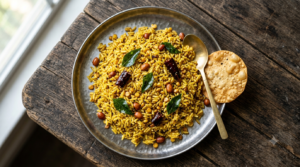
Tangy Andhra pulihora made in minutes from a stored instant tamarind mix.
Instant Pulihora Mix Recipe at a Glance
- What it is: a cooked, spiced tamarind paste (pulusu) you store and mix with rice on demand.
- Ratio: about 1 heaped tablespoon of mix flavours 1 cup of cooked rice.
- Shelf life: up to 1 week at cool room temperature, 3-4 weeks refrigerated, 2-3 months frozen.
- Best oil: sesame (gingelly) oil, for that authentic prasadam aroma.
- Batch here: enough spiced base to flavour about 6 cups of rice.
What Makes This Instant Pulihora Mix Recipe Different
The Instant Pulihora Mix Recipe is not the same as cooking pulihora from scratch every time. Here you prepare a concentrated tamarind-tempering base in advance, then keep it ready in a jar. Because the hard work is already done, a fresh batch of pulihora takes minutes, not half an hour.
This make-ahead approach is what “instant” really means. Many websites confuse the paste with a dry powder, so the difference matters. A paste-style mix carries its own tamarind gravy, while a powder needs tamarind added separately when you cook. This recipe gives you the richer paste version, closer to the pulihora served as naivedyam in South Indian temples.
Recipe Card
| Detail | Value |
|---|---|
| Prep Time | 20 minutes (tamarind and prep) |
| Cook Time | 15 minutes (tempering and base) |
| Makes | Mix for about 6 cups cooked rice |
| Difficulty | Easy |
| Cuisine | Andhra / South Indian |
Instant Pulihora Mix Recipe Ingredients With Exact Quantities
This batch makes enough spiced base to flavour roughly 6 cups of cooked rice. Sesame oil gives the most authentic result, yet groundnut oil works well too.
- Tamarind pulp: 1 cup (from about 150-175 g tamarind, soaked and squeezed)
- Sesame oil (preferred) or groundnut oil: 6 tbsp
- Mustard seeds: 2 tsp
- Urad dal (split black gram): 2 tbsp
- Chana dal (split Bengal gram): 2 tbsp
- Raw peanuts: 1/3 cup
- Dried red chillies: 6, broken
- Curry leaves: 2 large sprigs
- Turmeric powder: 1 tsp
- Asafoetida (hing): 1/2 tsp
- Salt: 2 tsp, adjusted to taste
- Jaggery (optional): 2 tsp, to balance the tang
- Cooked rice: 6 cups, cooled (sona masoori or any long-grain)
Cook the rice with a 1:2 rice-to-water ratio until fluffy. Spread it on a plate to cool before mixing, since warm rice turns mushy.
Instant Pulihora Mix Recipe: Step-By-Step Method
Step 1: Prepare the tamarind pulp (10 mins)
Soak a golf-ball sized tamarind lump in 1 cup of hot water for 10 minutes. Squeeze and strain to collect about 1 cup of thick, tangy pulp. Set it aside while you start the tempering.
Step 2: Make the tempering base (5 mins)
Heat 3 tbsp of the oil in a heavy pan on medium heat. Add mustard seeds and wait until they pop, roughly 30 seconds. Then add urad dal and chana dal, and fry until light golden, about 2 minutes.
Step 3: Add crunch and aromatics (3 mins)
Now add the peanuts and dried red chillies. Stir on low heat until the peanuts start to colour, about 2 minutes. Toss in curry leaves, turmeric, and asafoetida, then stir for a minute so the aroma blooms.
Step 4: Cook the tamarind base (7 mins)
Pour the tamarind pulp into the pan, then add salt and jaggery. Simmer on medium-low until the mixture thickens, roughly 6-7 minutes. When the raw tamarind smell fades, the base is ready. Let it cool before storing or mixing.
Step 5: Mix with rice (5 mins)
Spread the cooled base over 6 cups of cooled rice. Drizzle the remaining 3 tbsp oil on top for gloss and flavour. Using a flat spatula, fold gently so every grain is coated without breaking, about 4-5 minutes.
Step 6: Serve
Serve the pulihora warm or at room temperature. A papad or a spoon of plain yogurt on the side rounds off the tang beautifully.
Instant Pulihora Mix Recipe: Mix-to-Rice Ratio
Getting the ratio right is where most cooks stumble. As a rule, 1 heaped tablespoon of the spiced base flavours 1 cup of cooked rice. Start light, taste, and add more, because tamarind strength varies between batches.
| Cooked rice | Instant mix (heaped tbsp) | Extra oil |
|---|---|---|
| 1 cup | 1 tbsp | 1 tsp |
| 3 cups | 3 tbsp | 1 tbsp |
| 6 cups | 6 tbsp | 2-3 tbsp |
If you want a stronger prasadam-style tang, nudge it to 1.5 tablespoons per cup. Always mix into cool rice, never hot, so the grains stay separate.
Storage and Shelf Life of the Instant Pulihora Mix Recipe
Storage is the real payoff of any Instant Pulihora Mix Recipe, so treat the base like a pantry staple. Cool it fully before it goes into a clean, dry, airtight jar. Always use a dry spoon, since moisture is what spoils tamarind pastes early.
| Storage method | Keeps for |
|---|---|
| Cool room temperature (dry jar) | Up to 1 week |
| Refrigerator | 3-4 weeks |
| Freezer (small portions) | 2-3 months |
For the longest life, freeze the base in small portions and thaw only what you need. A little extra oil floating on top acts as a natural seal and helps it last.
Paste vs Powder: Instant Pulihora Mix Recipe Styles
Shoppers often ask whether this mix is the same as puliyogare powder. It is not, though both save time. A powder is a dry, roasted, ground spice blend that usually needs tamarind added at cooking time.
This paste-style base already contains the cooked tamarind, so it is richer and faster to use. Powders store longer and travel lighter, while pastes deliver deeper, temple-style flavour. Choose the paste when taste matters most, and the powder when shelf life is the priority.
Pro Tips for Your Instant Pulihora Mix Recipe
- Add fresh tempering when serving: for the crispest result, store the tamarind base plain and fry a quick peanut-dal tadka fresh each time. Stored peanuts soften over days.
- Rice texture matters: fluffy, separate grains make the best pulihora, so avoid overcooking or hot mixing.
- Rest before serving: let the mixed rice sit 10-15 minutes so flavours settle in.
- Green chilli option: add 2-3 slit green chillies while tempering for a fresher, sharper heat.
- Sesame oil wins: it mirrors the aroma of temple pulihora prasadam better than any other oil.
Chef’s Notes: Substitutions and Regional Variations
If tamarind runs out, 2-3 tbsp of lemon juice adds sourness, although the flavour shifts toward a lighter nimmakaya style. A handful of grated dry coconut adds body and a subtle sweetness. You can explore our Nimmakaya Pulihora recipe for the lemon version.
Regional styles vary widely across the south. Andhra cooks lean tangy and spicy, while Karnataka’s puliyogare adds sesame and coconut for a nuttier profile. Tamil puliyodharai often folds in roasted fenugreek for a faint bitterness. Our Aava Pulihora temple prasadam recipe shows the mustard-forward Andhra temple version.
Troubleshooting Your Instant Pulihora Mix Recipe
Even an easy Instant Pulihora Mix Recipe can go slightly wrong, so here are quick fixes. If the pulihora tastes too sour, stir in a little more jaggery and a spoon of oil to soften the edge. When it turns out too dry, warm a teaspoon of sesame oil and fold it through.
A bitter note usually means the fenugreek or chillies burned during tempering, so keep that stage on low heat. If the rice clumps, it was likely mixed warm; next time cool it fully first. These small corrections rescue most batches instantly.
Nutrition Information Per Serving
The figures below are approximate, since rice type and oil quantity shift the totals. Treat them as a rough guide, not a medical measure.
| Nutrient | Per serving (about 1 cup) |
|---|---|
| Calories | 210-260 kcal |
| Carbohydrates | 36-42 g |
| Protein | 4-6 g |
| Fat | 7-10 g |
| Fibre | 2-3 g |
| Sodium | 350-450 mg |
Allergen note: this dish contains peanuts and sesame. Asafoetida often contains wheat flour, so choose a gluten-free brand if needed. Anyone with a nut allergy should skip the peanuts entirely.
Pulihora as Temple Prasadam
Pulihora holds a special place as naivedyam in South Indian temples, offered to the deity during festivals and daily rituals. In Tirumala, large batches are prepared with careful balance of tang, spice, and tempering. You can read more about temple offerings on the official TTD website.
What makes temple pulihora memorable is restraint. Just a few pantry staples, mindful timing, and generous sesame oil create that unmistakable flavour. For cultural background on the dish, see this overview of Pulihora on Wikipedia.
Serving Suggestions
Instant pulihora pairs beautifully with crisp papad, carrot pickle, or a bowl of cool yogurt for contrast. For a festival thali, add a spiced potato fry or a simple tamarind chickpea curry alongside. It also travels well, so it makes an ideal lunch-box or picnic dish.
Scaling Up for Festivals and Naivedyam
Festivals often call for pulihora in large quantities, so the make-ahead base truly shines here. Because the tamarind base multiplies cleanly, you can double or triple the recipe without changing the method. Keep the same ratio of one tablespoon of mix per cup of rice, whatever the batch size.
For a big festival batch, cook the rice in stages rather than all at once. Freshly cooked, cooled rice mixes far better than a single huge pot that steams and clumps. Prepare the spiced base a day ahead, then simply mix on the morning of the offering. This split keeps the grains separate and the flavour bright, which matters when pulihora is served as naivedyam to many people.
When you scale up, taste the base before mixing everything. Salt and tang can drift in a larger pot, so a quick check prevents an over-sour batch. A spoon of extra jaggery balances a big batch that leans too sharp.
Before You Cook
An Instant Pulihora Mix Recipe rewards a little planning with fast, flavourful meals for weeks. Make one careful batch, store it well, and keep the ratio at roughly a tablespoon per cup of rice. Add a fresh tadka when you serve, and you will get temple-style pulihora whenever the craving strikes. Start with a small jar, taste as you go, and adjust the tang to suit your family.
FAQs About the Instant Pulihora Mix Recipe
Can I use store-bought tamarind paste?
Yes, bottled tamarind paste works fine. Dilute it with warm water at roughly a 1:1 ratio to match the consistency of fresh pulp. The flavour is slightly milder, so taste and adjust.
How long does the instant pulihora mix last?
The cooked base keeps about a week at cool room temperature and 3-4 weeks in the fridge. For longer storage, freeze small portions for 2-3 months. Always use a dry spoon to prevent spoilage.
How much mix do I add per cup of rice?
Use about 1 heaped tablespoon of the mix for every cup of cooked rice. Start with less, taste, and add more since tamarind strength varies. Mix into cool rice for the best texture.
Can this be mild instead of spicy?
Absolutely. Reduce the dried red chillies to 2-3 and skip the green chillies. You still get the full tangy, aromatic character without the heat.
Is instant pulihora mix the same as puliyogare powder?
No, they differ. Puliyogare powder is a dry ground spice blend, while this mix is a cooked tamarind paste. The paste is richer and needs no extra tamarind at serving time.
Can I use brown rice?
Yes, brown rice adds fibre and a nuttier bite. You may need a little extra mix and salt, because the robust grains carry seasoning less easily.
Why is my pulihora bitter?
Bitterness usually comes from burnt tempering or over-roasted chillies. Keep the tempering on low heat and remove the pan as soon as the aroma rises. A pinch of jaggery also softens any harsh edge.
Can I make it without peanuts?
Yes, simply leave the peanuts out for a nut-free version. Roasted chana dal or cashews can add crunch instead, if allergies are not a concern.