1 Kg Pulihora Ingredients List, Recipe & Exact Quantities
Getting the 1 kg pulihora ingredients right is what turns a festive batch of tamarind rice into something worthy of a temple kitchen. Because a full kilo of rice is a large batch, the balance of tamarind, oil and tempering matters far more than it does in a small home pan. This guide lists the exact quantities, corrects the yield that most recipe cards get wrong, and adds the temple-style mustard version that many blogs skip.
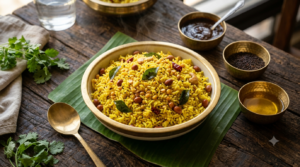
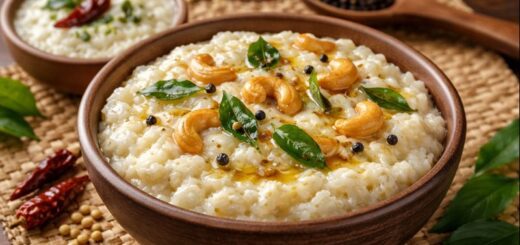
A festive 1 kg batch of pulihora (tamarind rice) with peanuts, curry leaves and tempered spices.
Pulihora goes by many names, so you may know it as puliyogare, puliyodharai or simply tamarind rice. It is everyday comfort food across Andhra Pradesh, Telangana, Tamil Nadu and Karnataka. Yet it also appears as prasadam in temples, which is exactly why cooks scale it up to a kilo for festivals and functions.
1 Kg Pulihora at a Glance
Here is the quick picture before you shop or start cooking. These 1 kg pulihora ingredients assume 1 kg of raw rice, since that is the standard festive batch.
- Rice: 1 kg raw, cooked and fully cooled
- Cooked yield: roughly 2.5 to 3 kg
- Serves: about 15 to 20 as a meal, or 25 to 30 small prasadam portions
- Souring agent: tamarind, though lemon or raw mango also work
- Total time: around 1 hour, plus cooling
- Difficulty: easy once the rice is cooled properly
1 Kg Pulihora Ingredients: The Exact List
Below are the 1 kg pulihora ingredients with amounts scaled for a full kilo of raw rice. Measure the tamarind and the oil carefully, because these two decide the tang and the shine of the finished dish.
| Ingredient | Quantity (for 1 kg rice) |
|---|---|
| Raw rice (sona masoori) | 1 kg |
| Tamarind | 150 to 200 g |
| Sesame (gingelly) oil | 150 ml, about three-quarter cup |
| Mustard seeds | 2 tsp |
| Cumin seeds | 1 tsp |
| Split urad dal | 2 tsp |
| Split chana dal | 2 tbsp |
| Peanuts | half cup |
| Green chillies (slit) | 5 to 6 |
| Dried red chillies | 5 to 6 |
| Turmeric powder | 1 tsp |
| Asafoetida (hing) | half tsp |
| Curry leaves | 3 to 4 sprigs |
| Jaggery (optional) | 2 tsp |
| Salt | to taste |
As a working ratio, keep roughly 150 to 200 g of tamarind and about 150 ml of oil for every kilo of rice. Sesame oil gives the most authentic flavour, though groundnut oil works when sesame is not on hand. Treat these 1 kg pulihora ingredients as a base you can tune to your own taste.
Choosing Quality 1 Kg Pulihora Ingredients
Good pulihora starts at the shop, so it helps to buy your 1 kg pulihora ingredients with a little care. Pick dark, sticky tamarind rather than dry, pale blocks, because fresher tamarind gives a deeper, cleaner tang. Choose cold-pressed sesame oil where you can, since it carries the nutty aroma that defines an authentic batch.
Fresh curry leaves and firm, glossy dried red chillies also lift the final flavour. Buy peanuts with their skins on, as they stay crunchier after roasting. Whole spices beat old, pre-ground powders here, because they hold their punch far longer. A few extra minutes spent picking better 1 kg pulihora ingredients pays off across the entire batch.
How Much Rice Is “1 Kg Pulihora”? Raw vs Cooked
“1 kg pulihora” almost always means 1 kg of raw rice, not 1 kg of cooked rice. Once cooked and cooled, that kilo swells to roughly 2.5 to 3 kg. So a true kilo batch feeds far more people than the “6 to 8 servings” figure that some cards still print.
Plan for about 15 to 20 meal servings from this batch. If you are packing small prasadam portions, you can stretch it to 25 or 30. Knowing this upfront helps you buy the right tamarind and oil, since under-seasoning a big batch is the most common festival slip.
Step-by-Step Recipe for These 1 Kg Pulihora Ingredients
Follow the steps in order, because pulihora is really two jobs that meet at the end. First you cook and cool the rice. Then you build the tamarind pulusu and the tempering.
1. Cook and cool the rice
Wash 1 kg rice until the water runs clear. Cook it with about 2 to 2.5 litres of water until the grains turn tender but stay separate. Spread the rice on a wide tray so it cools fast. Fully cooled rice is non-negotiable, since warm rice turns mushy the moment tamarind hits it.
2. Extract the tamarind pulp
Soak the tamarind in warm water for 15 to 20 minutes. Squeeze it well, then strain out the fibres and the seeds. You want a thick, pourable extract, because a watery one dilutes the flavour across a big batch.
3. Roast the peanuts and dal
Heat a tablespoon of oil in a pan. Add the peanuts, chana dal and urad dal together. Roast them until golden, which takes about 4 to 5 minutes. This crunchy mix gives pulihora its signature bite, so do not rush it.
4. Make the tempering
In the same pan, heat the remaining oil. Add mustard and cumin seeds, then wait until they splutter. Now add the curry leaves, green chillies and dried red chillies. Toss everything for a minute over medium flame.
5. Cook the tamarind pulusu
Pour in the tamarind extract along with turmeric, hing and salt. Simmer on low until the raw smell fades and the sauce thickens, roughly 8 to 10 minutes. If it tastes sharp, stir in the jaggery to soften the sourness.
6. Mix, then rest
Lower the heat and add the cooled rice in batches. Fold gently so every grain gets coated, while you scatter in the roasted peanut and dal mix. Cover the pan and rest it for at least 10 minutes. Resting lets the flavours settle, and pulihora always tastes better after this short wait.
Temple-Style Ava Pulihora (Mustard Version)
Temple prasadam pulihora often carries a nutty, pungent note that home versions miss. That flavour comes from ava, a fine mustard powder folded in at the very end. To make it, dry roast a tablespoon of mustard seeds lightly, cool them, and grind to a powder.
Add only half to one teaspoon of this powder per kilo, because too much turns the rice bitter. For a strict naivedyam offering, many cooks skip green chillies and ginger, then lean on black pepper and dried red chillies instead. Some families use roasted sesame powder in place of mustard, though you should pick one or the other, never both. Our aava pulihora temple prasadam recipe walks through this mustard style in more detail.
Smart Substitutions for Your 1 Kg Pulihora Ingredients
Real kitchens rarely stock every item, so these swaps keep the dish on track. Each one holds the tang and the texture that define good pulihora.
- No fresh tamarind? Use about 4 tbsp ready tamarind paste, loosened with equal water.
- Peanut allergy? Swap the peanuts for roasted cashews, or simply leave them out.
- Want it richer? Use a mix of peanuts and cashews together.
- Different souring agent? Try our lemon pulihora or nimmakaya pulihora for a fresher tang.
Because these are big-batch swaps, taste as you go and adjust in small steps. A kilo of rice forgives less than a small pan, so one heavy hand with chilli or salt affects every plate.
What Goes Wrong With a Big Batch
Most pulihora failures come down to a few avoidable slips. Fix these, and a kilo batch behaves as well as a small one.
- Hot rice: mixing before the rice cools fully makes it sticky and mushy.
- Too much powder: heavy mustard or sesame powder turns the rice bitter.
- Thin pulusu: a watery tamarind extract never coats a large batch evenly.
- Under-salting: a kilo needs more salt than you expect, so season in stages.
Storage, Make-Ahead and Pulihora Pulusu
Pulihora is a natural make-ahead dish, which is why it travels so well to functions. Store leftovers in an airtight container in the fridge for up to 3 days. Reheat gently with a splash of warm water so the grains loosen again.
For festivals, you can also prepare the tamarind base in advance. This thick paste, called pulihora pulusu, keeps for weeks when you store it with enough oil in the fridge. On the day itself, just stir a few spoons into fresh cooked rice, as our instant pulihora mix shows, and the meal comes together fast.
Nutrition Information (Per Serving)
These figures are a close estimate for one meal-sized portion from the batch. Actual values shift with the oil and the peanuts you use.
| Nutrient | Estimate |
|---|---|
| Calories | about 395 kcal |
| Carbohydrates | about 55 g |
| Protein | about 7 g |
| Fat | about 15 g |
| Fibre | about 4 g |
Pulihora is filling and energy-dense, mainly because of the oil and the peanuts. If you watch your fat intake, you can trim the oil a little, though the texture then turns slightly drier. Anyone with a peanut allergy should use the cashew swap above.
How to Scale 1 Kg Pulihora Ingredients Up or Down
The whole recipe scales cleanly, so you can size it for any crowd. Keep the core ratio steady at about 150 to 200 g tamarind and 150 ml oil for each kilo of rice.
For a half batch, halve every one of the 1 kg pulihora ingredients, since 500 g rice cooks and cools the same way. For 2 kg, double the amounts, but temper in two rounds so the spices do not crowd the pan. Whatever the size, add salt and tamarind gradually, and always taste before the final mix.
Before You Cook
A great kilo of pulihora is less about secret spices and more about method. Cool the rice fully. Keep the tamarind thick, and season in stages. Do that, and the batch tastes balanced from the first plate to the last.
Use the list above as your shopping guide. If you want that true prasadam flavour, add the temple-style mustard finish at the end. The version served at Tirumala remains the benchmark that many home cooks quietly aim for. Bhimas Cook is an independent home-cooking blog and is not affiliated with any temple or trust.
Frequently Asked Questions
How many people does 1 kg pulihora serve?
A 1 kg raw rice batch serves roughly 15 to 20 people as a meal. As small prasadam portions, it can stretch to 25 or 30. The old “6 to 8 servings” figure suits about 300 g of rice, not a full kilo.
Is 1 kg pulihora made with raw or cooked rice?
It means 1 kg of raw rice, which then cooks and cools into roughly 2.5 to 3 kg. Always measure the rice before cooking, because the tamarind and oil ratios are built around the raw weight.
What rice is best for pulihora?
Short or medium-grain rice such as sona masoori gives the ideal separate-grain texture. Long-grain rice works too, though you must fluff it well and cool it fully so it does not clump.
Can I make pulihora without peanuts?
Yes, you can. Simply omit the peanuts, or replace them with roasted cashews for the same crunch. The dish still tastes authentic without them, which also helps anyone with a peanut allergy.
Why did my pulihora turn bitter?
Bitterness usually comes from too much mustard or sesame powder. Use only half to one teaspoon per kilo, since these powders turn sharp quickly. Burnt tempering or over-roasted methi can also cause it.
Can I use leftover rice?
Yes. Chilled leftover rice works well if the grains have not hardened. Warm it slightly before you mix in the tamarind sauce, so it absorbs the flavour evenly.
How long does pulihora stay fresh?
It keeps for up to 3 days in an airtight container in the fridge. Because the oil and tamarind act as natural preservers, pulihora also holds its flavour at room temperature for a day, which makes it ideal for travel.
Is pulihora the same as puliyogare?
Yes, they are the same dish under different regional names. Andhra and Telangana call it pulihora, while Karnataka says puliyogare and Tamil Nadu says puliyodharai. The core method stays the same across all of them.