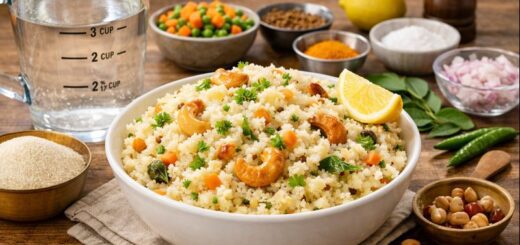
Millet Pongal Recipe
Learn how to make soft, healthy, protein-rich Millet Pongal with foxtail or little millet. A wholesome South Indian breakfast perfect for weight loss, thyroid, kids’ tiffin & diabetic-friendly Indian meals.
Millet Pongal Recipe — Soft, Creamy & South Indian Style
Millet Pongal has recently become one of India’s most-searched healthy breakfast dishes, especially after the massive millet push by FSSAI and state health departments. This Millet Pongal Recipe is a lighter, more nutritious version of traditional Ven Pongal, made with foxtail millet (thinai) or little millet (samai) and yellow moong dal.
It is rich in fiber, gentle on digestion, diabetic-friendly, and a fantastic meal prep option. This blog will walk you through tips, variations, cultural notes, and a perfectly balanced recipe that creates hotel-style creamy pongal — without using rice.
What is Millet Pongal?
Millet Pongal is a South Indian comfort dish where millet replaces rice in the classic Ven Pongal. Traditionally served with sambar and coconut chutney, this variation aligns with India’s shift toward millet-based diets promoted by:
Ministry of Agriculture
FSSAI’s Eat Right Millet Campaign
ICAR’s millet research programs
Millets like foxtail, little, barnyard, and kodo millet are becoming everyday staples for their low glycemic index and weight-management benefits.
Why This Millet Pongal Recipe Works
1. Low GI & Weight-Loss Friendly
Unlike rice-based pongal, millet pongal releases energy slowly, preventing sugar spikes.
2. High in Plant Protein
Moong dal and millet together create a complete vegetarian protein source.
3. Kids Approved Soft Texture
This recipe ensures a buttery, melt-in-mouth consistency similar to Tamil Nadu hotel pongal.
Ingredients for Millet Pongal
Millets:
1 cup foxtail millet (thinai) OR little millet (samai)
½ cup moong dal
3 cups water (pressure cooking)
1 cup hot water (adjusting consistency)
Tempering:
- 2 tbsp ghee
- 1 tsp cumin seeds
- 1 tsp crushed pepper
- 1 inch ginger, chopped
- 8–10 cashews
- 10–12 curry leaves
- A pinch of turmeric
- Salt to taste
Optional:
1 tbsp grated coconut
½ tsp hing (for authentic TN-style flavor)
How to Make Millet Pongal Recipe
Step 1 — Rinse & Roast
Wash millet 2–3 times.
Dry roast moong dal lightly until aromatic.
Step 2 — Pressure Cook
Add millet + roasted dal into a cooker.
Add 3 cups water, turmeric, and salt.
Pressure cook for 3 whistles on medium flame.
After releasing pressure, mash gently using a ladle.
Step 3 — Prepare Pongal Tempering
Heat ghee in a kadai.
Add cumin, crushed pepper, ginger & cashews.
Fry until cashews turn golden.
Add curry leaves & hing.
Step 4 — Assemble the Pongal
Pour the tempering over the cooked millet-dal mixture.
Add ½–1 cup hot water to adjust creaminess.
Mix gently and serve steaming hot.
Pro Tip:
For Tamil Nadu hotel-style softness, keep the pongal slightly runny. It thickens over time due to the millet’s high fiber content.
Serving Suggestions
Serve Millet Pongal with:
White coconut chutney
Hotel-style sambar
Tomato onion chutney
Regional & Cultural Notes
Millet pongal was historically consumed in Tamil Nadu villages where rice was scarce. Elders commonly used thinai as a staple grain because it required minimal water to cultivate. Post-2023, with India celebrating the International Year of Millets, millet-based dishes have made a strong comeback in urban kitchens.
Even today, many temples in Karnataka and Tamil Nadu serve millet pongal as a healthier prasadam alternative.
Health Benefits of Millet Pongal
Excellent for diabetics
Supports thyroid and hormonal balance
High in iron, magnesium & dietary fiber
Gluten-free and perfect for school tiffins
Storage & Meal Prep Tips
Millet pongal stays fresh for 24 hours refrigerated.
Add 3–4 tbsp hot water before reheating.
Avoid reheating multiple times — texture changes.
Chef Tips to Perfect Millet Pongal
Use thinai (foxtail millet) for a soft, rice-like outcome.
Always roast moong dal for aroma.
Ghee is essential — do not replace with oil for flavor.
Add cashews only at the end for crunch.
Adjust consistency with hot water only.
Quick Facts
| Item | Details |
|---|---|
| Cooking Time | 20–25 minutes |
| Difficulty | Easy |
| Best Millet Options | Foxtail, Little, Kodo |
| Serves | 2–3 people |
| Taste Profile | Mild, buttery, peppery |
Conclusion
This Millet Pongal Recipe brings together the goodness of ancient millets and the soul-satisfying feel of classic South Indian food. Whether you’re switching to millet for health reasons or simply exploring new Indian breakfasts, this dish is wholesome, delicious, and incredibly easy to prepare.
Explore more millet-friendly recipes on Bhimascook — and don’t forget to try this for your next weekend breakfast!
FAQs
1. Is Millet Pongal good for weight loss?
Yes! It’s rich in fiber, low GI, and keeps you full longer.
2. Which millet is best for Millet Pongal Recipe?
Foxtail millet gives the softest, most authentic texture.
3. Can diabetics eat millet pongal?
Absolutely. Millets are recommended due to slow glucose release.
4. How to make pongal creamy without rice?
Add hot water while mixing and mash gently.
5. Can we make millet pongal without ghee?
You can, but the traditional taste and aroma will reduce significantly.