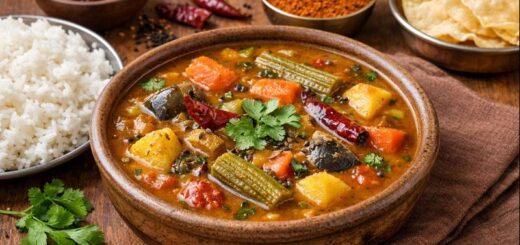
Millet Upma Recipe – Healthy & Quick South Indian Breakfast
Discover how to make a nutritious and easy-to-cook Millet Upma, perfect for breakfast or dinner. Gluten-free, fibre-rich, and full of flavour — ideal for your healthy Indian vegetarian menu.
Looking for a wholesome, flavourful vegetarian breakfast (or light dinner) option? This Millet Upma recipe ticks all the boxes: easy to make, regionally inspired from South India, packed with nutrients, and aligned with current food trends in India — where millets are being revived as smart staples.
Whether you call it “Thinai Upma”, “Barnyard Millet Upma”, or simply “Millet Upma”, this dish brings together the comforting texture of upma with the wholesome benefits of millets.
In this article you’ll find: quick facts, ingredients, step-by-step method, plating/serving tips, storage and health benefits, helpful tips, and FAQs — everything you need to fit this into your diet and blog effortlessly.
Quick Facts
Cuisine: South Indian vegetarian
Main ingredient: Millet (any variety such as foxtail, little, barnyard)
Diet: Vegetarian, gluten-free (when no wheat/rava used)
Prep time: ~10 minutes
Cook time: ~15-20 minutes
Serves: 2–3
Ingredients (for 2-3 servings)
- ½ cup millet (e.g., little millet / foxtail / barnyard)
- 1 cup water (or as per millet type and soaking)
- 1 tablespoon oil or coconut oil
- ½ teaspoon mustard seeds
- ½ teaspoon cumin seeds (optional)
- 1 teaspoon split urad dal (optional)
- A pinch of asafoetida (hing)
- 1 sprig curry leaves
- 1 green chilli (finely chopped)
- 1 teaspoon freshly grated ginger (optional)
- 1 small onion (finely chopped)
- ½ cup mixed vegetables (e.g., finely chopped carrot, beans, peas, capsicum)
- Salt to taste
- 1 tablespoon grated coconut (optional)
- 1 tablespoon chopped coriander leaves
A squeeze of lemon juice
You may adjust vegetables as per availability and preference.
Step-by-Step Method
1. Prepare the millet
– Rinse the millet under running water, drain and if possible soak for 15 minutes (this reduces cooking time and improves texture).
– If not soaking, ensure water ratio is correct (usually about 2:1 water to millet or slightly less depending on variety).
2. Heat the tempering
– In a heavy-bottomed pan or kadai, heat the oil.
– Add mustard seeds and when they start to splutter, add cumin seeds (if using), urad dal (if using) and let the dal turn light golden.
– Add asafoetida, chopped green chilli, grated ginger and curry leaves — sauté till fragrant.
3. Sauté vegetables & onion
– Add chopped onion; sauté until it turns translucent.
– Add the mixed vegetables, salt, and sauté for a few minutes till vegetables are slightly tender.
4. Cook millet
– Add the rinsed (and drained) millet into the pan; stir for a minute so that the millet gets coated with the tempering.
– Add the measured water. Increase heat to bring it to a boil, then reduce to low, cover the pan and cook until millet has absorbed the water and is cooked through (8-10 minutes approx depending on variety).
– Once done, fluff lightly with a fork.
5. Finish & garnish
– Turn off the flame. Add grated coconut (if using), chopped coriander leaves and lemon juice; mix well.
– Cover and let stand for a minute for flavours to meld.
6. Serve hot
– Serve the millet upma hot with coconut chutney, or plain curd, or just as it is.
Serving, Plating & Storage
Serving:
Plate the millet upma in shallow bowls, garnish with a few fresh curry leaves or coriander sprigs. Ideal for breakfast, brunch, or even a light dinner.
Plating Tip: Use a colourful bowl to highlight the vibrant veggies; a small side of chutney or yogurt adds contrast.
Storage:
Leftovers can be stored in an airtight container in the refrigerator for 1-2 days. Reheat gently with a splash of water to retain moisture. Avoid storing for too long as millets may harden.
Reheating: Add a little water, cover and microwave or reheat on stovetop, fluff again before serving.
Health Benefits
Millets are nutrient‐dense: high in fibre, minerals and gluten‐free, making them suitable for digestive health and modern diets.
Replacing refined grains like semolina or white rice with millet gives better glycaemic control and sustained energy.
The vegetables and traditional tempering of spices (cumin, mustard, curry leaves) aid digestion and enhance flavour.
Ideal for those looking for vegetarian, gluten-free, balanced meals without compromising taste or culture.
Tips & Variations
Millet choice: Use any millet available — little millet (samai), foxtail millet (thinai), barnyard millet (kuthiraivali) etc. Adjust water and cooking time accordingly.
Add-ins: You can add roasted cashews or peanuts for crunch; or top with grated carrot for colour.
Make it vegan: Use coconut oil and skip ghee; already vegetarian.
Spice level: Adjust green chilli and ginger as per taste.
For a faster version: Skip soaking millet, increase water slightly, and cook with lid on medium-low.
As light dinner: Use fewer vegetables but more flavouring; pair with plain yogurt for a complete meal.
UseFull Links
- Ragi Ladoo Recipe | Easy & Healthy Nachni Laddu
- Kathiyawadi Lasaniya Bataka Recipe | Spicy Garlic Potato Curry from Gujarat
- Millet Upma – Healthy Breakfast Idea Two Brothers Organic Farms
Conclusion
Millet Upma is a modern yet traditional vegetarian Indian recipe that ticks so many boxes: nutritious, gluten-free, culturally rooted, and aligned with current food trends in India towards millets. Give this recipe a try — the gentle nuttiness of millet combined with the tasty tempering and vegetables makes it a delightful and healthy meal choice. Try it today, and let this wholesome breakfast become a part of your kitchen repertoire!
Remember: the keyword millet upma captures both search-intent and health-conscious interest — so save, share, and savour!
FAQs
Q1: What kind of millet is best for making millet upma?
A1: You can use little millet (samai), foxtail millet (thinai), barnyard millet (kuthiraivali) or any available millet. Adjust the water and cooking time accordingly.
Q2: Is millet upma suitable for a gluten-free diet?
A2: Yes — since millets are naturally gluten-free and if you avoid wheat/rava, this recipe is gluten-free and vegetarian.
Q3: Can millet upma be made ahead and stored?
A3: Yes, you can cook it and refrigerate for 1-2 days. Reheat with a splash of water and fluff before serving. Avoid longer storage for best texture.
Q4: Can I add protein to millet upma?
A4: Absolutely — you could stir in cooked moong dal, sprouts, or tofu cubes after cooking for added protein; just ensure flavours remain balanced.
Q5: How do I adjust the recipe for dinner instead of breakfast?
A5: For dinner, you might use fewer spices, moderate chilli, pair it with plain yogurt or salad, and keep portion moderate. It makes a light satisfying meal without heaviness.