Bajra Ajwain Namak Para: Untested Diwali Recipe Trial
Bajra ajwain namak para is a savoury Diwali snack idea built around pearl millet flour, carom seeds and crisp diamond cuts. This is an untested recipe trial, not a batch we have cooked and approved. The flour ratio, water allowance, frying range and final yield all need a real kitchen test before anyone can call the recipe reliable.
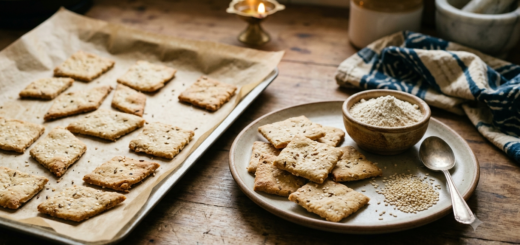
Illustrative bajra ajwain namak para showing the intended golden-brown diamond cuts with carom seeds. The proposed recipe has not been kitchen-tested.
The challenge is more interesting than simply swapping one flour for another. Bajra gives the dough its earthy flavour, yet it can make thin crackers fragile. This trial therefore uses some maida for handling and a little rice flour as a crispness experiment. The goal is a well-seasoned snack that breaks cleanly after cooling, rather than a greasy or rock-hard biscuit.
Bajra Ajwain Namak Para at a Glance
- Recipe status: Untested; the measurements below are proposed starting points.
- Style: Savoury diamond-cut, deep-fried Diwali snack with ajwain.
- Flours: Bajra flour, maida and rice flour in an experimental blend.
- Proposed preparation window: Roughly 20–30 minutes, not measured.
- Proposed frying window: Roughly 2–4 minutes per small batch, not tested.
- Yield: Unknown until the first cooked batch is weighed and counted.
- Storage life: Not established; no shelf-life or gifting guarantee.
For context, the Odisha government’s Shree Anna Abhiyan bajra namak para recipe pairs bajra flour with all-purpose flour and ajwain. That published preparation supports the general combination, not the exact formula proposed here. Our rice-flour addition and higher share of bajra are trial choices, not verified improvements.
Provisional Ingredients for One Small Trial
Every quantity in this bajra ajwain namak para trial is untested. Use a scale where possible, because cup measures can hide large differences in flour packing. Treat the water figure as an allowance to add gradually, not a volume the dough must absorb.
| Ingredient | Proposed amount | Purpose in the trial |
|---|---|---|
| Bajra flour (pearl millet) | 100 g | Main flavour and flour base |
| Maida (all-purpose flour) | 70 g | Helps bind and roll |
| Rice flour | 30 g | Tests a crisper bite |
| Ajwain (carom seeds) | 1 tsp | Distinct savoury aroma |
| Fine salt | 1/2 tsp to start | Seasoning; assess only after full cooking and cooling |
| Coarsely ground black pepper | 1/4 tsp, optional | Gentle heat |
| Oil mixed into dough | 30 g | Trial shortening for a crumbly snap |
| Room-temperature drinking water | About 65–90 ml, added slowly | Only enough to form a firm dough |
| Fresh frying oil | As needed for safe pan depth | Deep-frying; no fixed amount |
These bajra ajwain namak para measurements are design inputs, not a validated result. In particular, 65–90 ml is an experimental water allowance. Stop adding water once the mixture presses into a firm dough, even if some remains. The frying oil volume depends on the kadai and must leave ample headroom.
Why This Bajra Ajwain Namak Para Mix Needs a Trial
For bajra ajwain namak para, the mix contains half bajra by weight: 100 g out of 200 g total flour. Maida takes a smaller share, while rice flour makes up the rest. This balance might offer stronger millet flavour without demanding a fragile all-bajra sheet.
That balance remains a hypothesis. Pearl millet flour lacks wheat’s gluten network, so a high-bajra dough may crack when rolled. Maida may help the pieces hold together, but too much working or extra water can change the final texture. The rice flour is a separate variable worth checking rather than a guaranteed crispness fix.
What Should the Dough Feel Like?
Aim for a firm dough that holds when pressed, without sticking heavily to the fingers. It should not resemble soft chapati dough. If the edges split into deep cracks, the dough may need a few drops of water and another gentle press.
Adding water in one pour can make the dough difficult to roll, while too little can turn cutting into a crumble. Record the amount actually used because that single figure will help improve the second trial.
How to Make Bajra Ajwain Namak Para: First-Batch Method
This method lays out a sensible experiment, not guaranteed cooking instructions. Work in small batches, and observe the dough and oil before committing the full mixture. Keep children away from the frying area, use dry equipment and never add water to hot oil. Never taste raw dough or undercooked pieces.
- Prepare the dry mix. Combine the bajra flour, maida, rice flour, ajwain, salt and optional pepper. Rub ajwain lightly between your fingers first to release its aroma. Keep loose flour and raw-dough tools away from cooked pieces.
- Work in the fat. Add the proposed 30 g oil and rub it through the flour. The mix should clump a little when squeezed, although this cue still needs a practical test.
- Add water slowly. Start with a small portion of the proposed water allowance. Press the mixture together, adding more only if loose flour remains. Avoid making a wet dough.
- Give the dough a short rest. Cover it for a proposed 10 minutes. This rest is a test variable, not a proven requirement for the formula.
- Roll one test sheet. Flatten a small portion between sheets of food-safe parchment or on a lightly dusted board. Try an even thickness near 2–3 mm; note the actual measurement.
- Cut diamond shapes. Use a knife or pastry wheel, then separate the pieces gently. Keep remaining dough covered so the surface does not dry while the oil heats.
- Fry a few test pieces. Lower them carefully into moderately hot fresh oil. Turn as needed, watch the bubbling and remove when the pieces appear evenly cooked. Confirm the centre after cooling before frying the rest.
Check Rolling Before Heating the Full Pan
Take one rolled sheet through the cutting stage before filling the kadai. If the diamonds tear while lifting, the mixture needs attention before frying. A little extra water might help, but record the change instead of silently adjusting the entire batch.
If the sheet sticks, dust sparingly with maida rather than adding a large flour layer. Too much dust can fall into the oil and darken. An intact diamond does not prove that the snack will fry well.
Bajra Ajwain Namak Para Frying Heat and Time Checks
For a thermometer-led trial, an initial oil target around 165–175°C is a provisional test setting, not a verified requirement for this dough. Try a few pieces first. Rapid darkening before the centre cooks signals excessive heat, while weak bubbling and prolonged oil exposure call for reassessment.
The suggested 2–4 minute frying window for bajra ajwain namak para is untested and may be wrong. Piece size, moisture, kadai width and heat recovery will all matter. Use the timer to collect evidence, not to force removal at a set minute.
Keep the oil below the pan’s safe fill level and lower pieces away from you. Never crowd the surface, since crowded oil cools and makes results inconsistent. Turn off the heat if the oil smokes, and do not attempt to cool it with water.
How Will You Know the Pieces Are Crisp?
Check the pieces after they cool enough to handle. Break one across its centre and visually inspect the cross-section. A pale, moist or doughy core suggests undercooking. Do not taste or serve that piece; reassess the heat or thickness before another test.
Colour alone is a poor test because bajra flour already gives the dough a darker tone. Instead, compare the sound and feel of pieces from the same batch after cooling. A clean snap is the hoped-for outcome, not a result this recipe has established.
Put test pieces on a clean rack or suitable draining surface. Do not judge texture straight from the kadai, when hot fat and steam can disguise softness. Keep notes on oil heat, sheet thickness and cooling time together.
Common Bajra Ajwain Namak Para Trial Problems
Problems are part of a first-batch test. Change only one variable at a time, because changing water, thickness and heat together hides the cause. The following fixes are practical hypotheses to check rather than promises.
| What you see | Possible cause | Next test to try |
|---|---|---|
| Dough cracks badly | Too dry or too fragile | Add a few drops of water to a small portion |
| Pieces break when lifted | Sheet too thin or lacks binding | Roll slightly thicker; record the result |
| Fast browning, soft middle | Oil too hot or cuts too thick | Lower heat; test one thinner piece |
| Heavy, oily bite | Heat too low or dough too wet | Check oil recovery and water added |
| Very hard pieces | Overworked dough or thick cuts | Handle less; compare sheet thickness |
| Ajwain flavour too strong in fully cooked, cooled piece | Seasoning too strong | Reduce ajwain in the next measured batch |
A test fry can save the whole batch. If a broken, cooled test piece shows a pale, moist or gummy centre, stop and correct the process. Never taste an undercooked piece or serve it simply because its outside looks attractive.
Which Changes Are Worth Testing Next?
The next batch should answer one clear question. Keep the first mix unchanged wherever possible. Then compare one measured change against the original rather than creating an entirely different dough.
Test the Bajra Share Separately
If handling proves difficult, compare a second dough with slightly less bajra and more maida. Keep the total flour weight at 200 g, and leave the other ingredients unchanged. Record whether rolling improves and whether the earthy flavour weakens.
The maida means this recipe is not gluten-free. Swapping the maida for a gluten-free flour would require a new experiment, including binding and cross-contact checks. Do not label the present trial suitable for people who must avoid gluten.
Test the Ajwain Before Adding More Spice
Ajwain is the main seasoning in this version. Taste seasoning only after a test piece has cooked fully and cooled. Never sample raw dough or a piece with an undercooked centre. Extra seasoning might make it more exciting, yet it can also hide the millet flavour you are trying to assess.
Keep the first trial plain apart from the optional black pepper. If the salt seems low after fully cooking and cooling a piece, record it for the next batch. Sprinkling extra salt after frying may disguise the true seasoning balance.
Bajra Ajwain Namak Para: Food Safety, Storage and Diwali Gifting
A crisp appearance does not establish safe storage life. This formula has no validated water activity, packaging test or shelf-life study. Therefore, do not claim that it stays fresh for a week, a month or any fixed number of days.
Flour is a raw food and can carry harmful germs. Never taste raw flour, raw dough or undercooked namak para. Wash hands with soap and water after handling flour or dough. Wash bowls, knives, boards, utensils and worktops with warm, soapy water, then clean and dry them before contact with cooked food.
Keep loose raw flour, uncooked dough and flour-dusted tools separate from the rack, serving plate and fully cooked pieces. Use clean utensils for draining and serving; do not reuse a raw-dough tray without washing it. These precautions align with U.S. Food and Drug Administration (FDA) guidance on handling flour safely.
For an initial tasting, prepare a small amount and taste only pieces that appear fully cooked after cooling. If you hold or store leftovers, follow suitable food-safety guidance rather than assuming all fried snacks behave alike. Discard pieces that show mould, odd odour, moisture or other spoilage signs.
The Food Safety and Standards Authority of India (FSSAI) home-safety guidance stresses clean preparation and safe handling. Its used-cooking-oil guidance also explains how repeated frying changes oil quality. Use fresh oil for this trial and avoid repeatedly reheating degraded oil.
For Diwali gifting, resist writing a best-before date without evidence. A small tasting plate served soon after preparation is more honest than a sealed gift tin with an invented keeping period. Also tell guests that the recipe contains wheat.
Keep a First-Batch Kitchen Record
For untested bajra ajwain namak para, the most valuable result may be your notes. Write down the actual water used, dough behaviour, sheet thickness, number of frying batches and each batch’s observed cooking time. Then weigh the cooled finished snack and count the pieces.
- Before frying: Note flour brands, flour weight, final water amount and whether the sheet cracked.
- During frying: Record oil temperature if measured, batch size, time and colour changes.
- After cooling: Visually check the broken centre first. Assess snap, salt, ajwain flavour and surface oiliness only if the piece is fully cooked.
- Final yield: Weigh and count only the finished, edible pieces; do not estimate from raw dough.
- Decision: Mark the batch pass, revise or discard, with one reason for that choice.
Yield is deliberately left unknown because nobody has weighed a completed batch of this exact formula. The proposed preparation and frying windows must be replaced by observed times after testing. Until then, any portion count would be guesswork.
How This Snack Fits a Diwali Savoury Plate
Bajra ajwain namak para aims for a different texture from thicker mathri or fine karasev strands. Bajra brings a distinct flour taste, while ajwain does the seasoning work. That gives this trial a clear purpose rather than simply renaming a wheat snack.
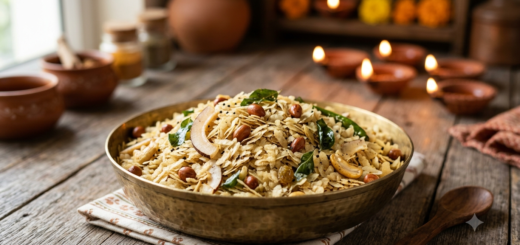
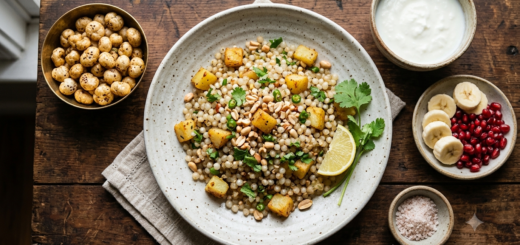
For contrast, the site’s pepper karasev trial focuses on peppery extruded strands. The baked methi mathri trial studies a baked, thicker cracker. The thin poha chivda trial explores a lighter roasted mixture instead of cut dough.
Test this millet-based diamond cut before planning a full festive spread around it.
Before You Make a Full Batch
Bajra ajwain namak para deserves a small, careful rehearsal before entering the regular festive menu. Begin with the provisional quantities, cook only a few pieces first and assess them after cooling. If the texture fails, change one variable and test again.
There is no confirmed yield, exact frying time or safe keeping period for this formulation. Labelling it untested keeps those limits visible. A cooked batch and test record must precede stronger claims.
Frequently Asked Questions
Can I make namak para using only bajra flour?
You can experiment with an all-bajra version, but this article does not supply a tested method for one. The dough may be harder to roll because it lacks wheat’s gluten network. Try a very small quantity and expect to change the binding method.
Is this bajra ajwain namak para recipe gluten-free?
No. The proposed recipe contains 70 g maida, which is wheat flour. Replacing it would create a different formula that needs separate development and suitable cross-contact precautions.
What does ajwain add to namak para?
Ajwain adds a distinctive, assertive savoury aroma. This proposed batch uses 1 teaspoon for 200 g total flour, but that level has not been taste-tested. Adjust only after tasting a fully cooked, cooled piece; never taste raw dough or undercooked pieces.
How much water should I use for the dough?
The trial allows roughly 65–90 ml, although the correct amount remains unknown. Add it gradually and stop when the dough holds together firmly. Note the actual volume so the next batch is repeatable.
How long should I fry the diamond cuts?
No reliable frying time has been established for this formula. The suggested 2–4 minutes per small batch is only a test window. Judge the first pieces by careful cooking and a cooled-centre check, not the clock alone.
Can these namak para pieces go into Diwali gift boxes?
Not with a promised keeping period. The exact formula has no confirmed shelf life or packaging assessment. Offer a fresh tasting batch instead, and disclose the wheat ingredient to recipients.
How many bajra ajwain namak para pieces will one batch make?
The bajra ajwain namak para yield is unverified. Piece count will vary with rolling thickness, cutter size, trimming loss and cooking breakage. Count and weigh the cooled, edible pieces during the kitchen trial rather than publishing a guessed number.
Can I bake this instead of frying it?
Baking would be a separate recipe trial. Oven heat, thickness, fat balance and texture would all need fresh tests, so the frying instructions cannot stand in for baking directions. Compare a small baked sample only after recording a baseline fried batch.