Rice Payasam Recipe: Creamy Hotel-Style South Indian Dessert
Rice payasam recipe is at its best when the rice turns completely tender and the milk reduces slowly into a creamy, spoon-coating dessert. This refreshed version keeps the familiar South Indian combination of rice, milk, sugar, cardamom and ghee, while fixing the common problems that make payasam thin, scorched or overly sweet. You will also find a quicker pressure-cooker route when time matters.
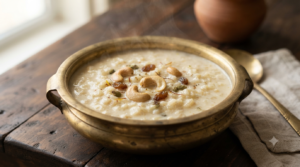
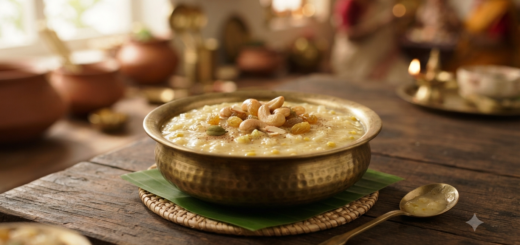
Creamy rice payasam finished with cardamom, ghee-roasted cashews and raisins.
This page uses “hotel-style” to describe the rich, smooth texture many diners expect from restaurant payasam. There is no single standard hotel formula, so the method below focuses on controllable results: full-fat milk, enough rice starch, gentle heat and careful stirring.
Rice Payasam Recipe at a Glance
- Prep time: about 10 minutes, plus 20 minutes soaking
- Cook time: about 45 to 55 minutes on the stovetop
- Total time: about 65 to 75 minutes including soaking
- Servings: 5 to 6 small dessert bowls
- Best rice: Sona Masuri, Ponni or another short-to-medium grain rice
- Sweetener: white sugar for the cleanest milk flavour
- Texture: creamy and pourable while hot, thicker after cooling
Paal payasam is a South Indian milk-and-rice pudding. Kerala Tourism also describes paal payasam as a combination of rice, milk and sugar cooked slowly until rich and creamy. The basic idea is simple, but small technique choices decide whether the final bowl tastes silky or merely like sweet milk and rice.
Rice Payasam Recipe Ingredients
- 1/2 cup Sona Masuri, Ponni or other short-to-medium grain white rice
- 1.2 litres full-fat milk
- 1/3 cup white sugar, plus more to taste if needed
- 1 tablespoon ghee
- 10 to 12 cashews, split or roughly chopped
- 1 tablespoon raisins, optional
- 1/2 teaspoon green cardamom powder
- 8 to 10 saffron strands, optional
- 1 small pinch salt, optional
Shorter rice grains release starch readily, so they make a naturally creamier payasam. Basmati will still work, but its longer grains stay more separate. If you use basmati, soak it well and cook until the grains crush easily between your fingers.
The old version used the same broad ingredient family, and that part was sound. This refresh keeps the recipe recognisable while making the sweetness more flexible. Starting with 1/3 cup sugar also makes it easier to add more later without ending up with an overly sweet dessert.
How to Make Creamy Rice Payasam
- Wash and soak the rice. Rinse the rice two or three times until the water looks mostly clear. Soak it for 20 minutes, then drain. Soaking helps the grains soften more evenly once they enter the milk.
- Warm the milk slowly. Add the milk to a heavy-bottomed pan and bring it to a gentle simmer over medium heat. Stir across the base every few minutes because milk solids can catch quickly.
- Add the rice. Stir the drained rice into the hot milk. Lower the heat so the mixture bubbles gently rather than boiling hard.
- Cook until very soft. Simmer for about 30 to 40 minutes, stirring more often as the milk reduces. The rice should become soft enough to mash with the back of a spoon.
Finish the Rice Payasam Recipe Without Overcooking
- Add sugar only after the rice is cooked. Stir in 1/3 cup sugar and cook for another 5 to 7 minutes. Taste carefully, then add another tablespoon or two only if you want a sweeter result.
- Finish with aroma. Add cardamom and saffron, if using. Keep the flame low while the aroma disperses through the payasam.
- Roast the garnish. Heat ghee in a small pan. Fry the cashews until golden, then add raisins and cook just until they puff.
- Stop while the payasam is still pourable. Stir in the ghee, nuts and raisins, then switch off the heat. The pudding thickens further as it cools.
Do not judge the final consistency only while the payasam is boiling. Rice continues to absorb liquid during resting, so a pan that looks perfectly thick on the stove may become stodgy 20 minutes later. A slightly loose finish gives you a better serving texture.
What Makes This Hotel-Style Instead of Plain Rice Kheer?
The main difference is texture rather than a special ingredient. A hotel-style bowl usually feels richer, smoother and more cohesive, so the milk must reduce enough to cling to the rice instead of sitting separately around it.
A heavy pan helps because the milk can reduce without scorching as easily. Frequent scraping also pulls concentrated milk solids back into the dessert. Finally, fully cooked rice releases starch, which thickens the base without cornflour or other thickeners.
| Method | Typical time | Texture | Best for |
|---|---|---|---|
| Slow stovetop | 45–55 min | Deepest milk flavour | Hotel-style finish |
| Pressure cooker + simmer | 25–35 min | Creamy, slightly softer rice | Faster cooking |
| Cooked-rice shortcut | 15–20 min | Good but less integrated | Using leftovers |
Quick Rice Payasam Recipe for Busy Days
A quicker rice payasam recipe works best when you shorten the rice-cooking stage, not when you rush the milk reduction over high heat. Pressure-cook the soaked rice with part of the milk and a little water until very soft. Then transfer it to a wide pan, add the remaining milk and simmer until creamy.
Add sugar only after the rice is fully tender. This order keeps the grains soft and gives you more control over sweetness. Finish with cardamom and ghee-roasted nuts in the same way as the stovetop version.
You can also use cooked rice, but mash it lightly before adding it to hot milk. That shortcut produces a pleasant pudding, although the flavour will not be as integrated because the rice did not absorb milk from the start.
Rice Payasam Recipe: Common Mistakes and Fixes
| Problem | Likely cause | Fix |
|---|---|---|
| Milk scorches | Thin pan or high heat | Use a heavy pan and stir across the base |
| Rice stays firm | Too much sugar added early | Cook rice fully before sweetening |
| Payasam turns too thick | Cooked past serving consistency | Loosen with warm milk |
| Payasam tastes flat | Milk did not reduce enough | Simmer longer before adding sugar |
| Too sweet | Sweetener added all at once | Start lower and taste before adding more |
If the base begins sticking, move the mixture into a clean pan instead of scraping burnt milk back into the dessert. Burnt milk has a strong flavour, so even a small amount can spoil the whole batch.
If your payasam becomes too thick after cooling, warm it gently and add milk a little at a time. Do not pour in a large amount at once because you may wash out the flavour and make the dessert watery.
Which Rice Gives the Best Payasam Texture?
Sona Masuri and Ponni are excellent everyday choices because they soften well and release enough starch for a creamy body. Regular raw rice also works. Basmati gives a more fragrant result, although the grains tend to remain more distinct.
For an especially smooth texture, crush a spoonful of the cooked rice against the side of the pan near the end. That releases more starch without turning the whole batch into paste. Avoid blending the pudding because the texture can become gluey.
Kerala-style versions may use local rice varieties and different proportions. If you want to compare this method with an official regional recipe, see the Kerala Tourism paal payasam recipe.
Sugar, Condensed Milk or Jaggery: Which Should You Use?
White sugar gives the cleanest milk-and-cardamom flavour, so it suits this broad rice payasam recipe. Condensed milk makes the dessert richer and sweeter faster, while jaggery gives a deeper caramel taste and needs more care because milk can split.
If you want the condensed-milk version, use the dedicated paal payasam with condensed milk recipe. Reduce or skip extra sugar because sweetened condensed milk already contributes plenty of sweetness.
For a jaggery version, follow the separate paal payasam with jaggery recipe. Jaggery quality varies, so dissolving and straining it separately can help remove grit. Let the milk mixture cool slightly before combining if curdling is a concern.
Can You Make Rice Payasam Without Nuts?
Yes. The nuts are optional, so you can leave them out without changing the basic cooking method. The payasam will still be creamy because rice starch and reduced milk create the body.
This is useful for anyone avoiding tree nuts. However, the recipe still contains dairy unless you deliberately replace the milk and ghee. If you are cooking for someone with a serious food allergy, check every packaged ingredient for cross-contact warnings.
The recipe ingredients are naturally gluten-free, but packaged spices, nuts or other add-ins can face cross-contact during processing. People with coeliac disease should use ingredients labelled or verified as gluten-free for their own needs.
How to Serve Rice Payasam
Serve the payasam warm when you want the aroma of cardamom and ghee to stand out. Chilled payasam tastes denser and sweeter, so keep the warm version slightly less thick if you plan to refrigerate it later.
For a simple family dessert, use small bowls because this milk-rich pudding is filling. You can add a few roasted cashews on top just before serving. Saffron is optional, and the dessert does not need heavy garnishing to taste complete.
If you are preparing it for a religious offering, follow your household or community practice for ingredients and tasting. Customs differ, so the kitchen method should not override the tradition you normally follow.
Storage and Reheating
Cool leftover payasam promptly, transfer it to a covered container and refrigerate it. The U.S. Department of Agriculture advises using most cooked leftovers within three to four days, although a milk dessert is best enjoyed sooner for flavour and texture.
Do not leave a dairy-based dessert at room temperature for extended periods. The USDA advises refrigerating perishable food within two hours, or within one hour in very hot conditions. See its leftovers and food safety guidance for general storage rules.
When reheating, use low heat and stir often because chilled rice payasam thickens considerably. Add a small splash of milk if needed. Discard the dessert if it has an unusual smell, visible mould or obvious spoilage.
Why This Refresh Changes the Old “Instant” Claim
The old page called the recipe “instant” even though its own stovetop method took about an hour. That wording can disappoint readers. A genuinely creamy milk-and-rice payasam needs either slow cooking or a shortcut that pre-cooks the rice.
This version therefore keeps the existing URL for SEO equity but explains both methods clearly. Use the slow stovetop route for the richest result. Use the pressure-cooker or cooked-rice route when speed matters more than maximum depth of flavour.
Final Tips for Better Rice Payasam
Keep the heat gentle once the rice goes into the milk. Stir more often as the mixture thickens, and sweeten only after the grains become fully tender. Those three habits prevent most texture problems.
For a dependable rice payasam recipe, switch off the stove before the payasam looks as thick as you want to serve it. It will continue thickening during rest. That single timing decision often separates a silky bowl from a heavy one.
Frequently Asked Questions
Is rice payasam the same as paal payasam?
Often, yes. Paal means milk, so paal payasam commonly refers to a milk-based payasam made with rice and sugar. Regional recipes differ in rice type, sweetness, garnish and cooking time.
Can I make this rice payasam recipe with basmati rice?
Yes. Basmati works, although it gives a more fragrant dessert with more distinct grains. Soak it for about 20 minutes and cook until very soft before adding sugar.
Why should sugar be added after the rice cooks?
Adding sugar after the rice softens gives you more predictable cooking. The rice can absorb the milk and release starch first, while sweetness remains easy to adjust near the end.
Can I use condensed milk instead of sugar?
Yes, but condensed milk changes both sweetness and body. Add it gradually after the rice cooks, then taste before adding any extra sugar. The dedicated condensed-milk version linked above gives a more focused method.
Can I use jaggery in this rice payasam recipe?
Yes, but jaggery needs a different finishing method because milk may split. Dissolve and strain the jaggery separately, then combine it carefully with the cooked milk-and-rice base.
Why does my payasam become very thick after cooling?
Cooked rice keeps absorbing liquid while the pudding rests, so the mixture naturally tightens. Stop cooking while it is still pourable. If needed, loosen cooled payasam with a little warm milk.
Can I make rice payasam ahead of time?
Yes. Prepare it earlier the same day, cool it promptly and refrigerate it in a covered container. Since it thickens when cold, stir in a small amount of milk before serving or reheating.
How do I stop milk from burning at the bottom?
Use a heavy-bottomed pan, keep the flame low after simmering begins and scrape across the base regularly. Stir more often as the milk reduces because scorching risk increases as the mixture becomes thicker.