Payasam Recipe With Sago and Vermicelli: Creamy & Easy
Payasam recipe with sago and vermicelli works best when each ingredient reaches the right texture. The sago should turn translucent, while the semiya stays soft and the milk remains creamy enough to pour. This refreshed method fixes the biggest weakness in many quick versions: sago and vermicelli do not cook at the same speed, so adding both at once can leave one underdone and the other overcooked. The recipe below uses a balanced ratio, a short soak for regular sago, and a staged cooking method for a smooth South Indian-style result.
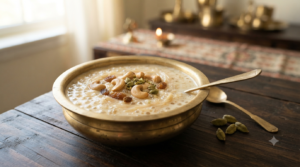
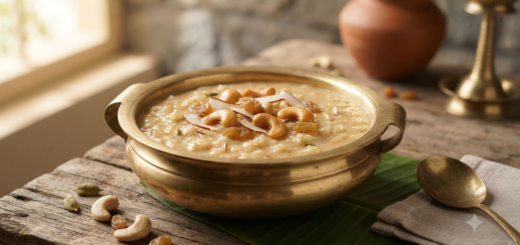
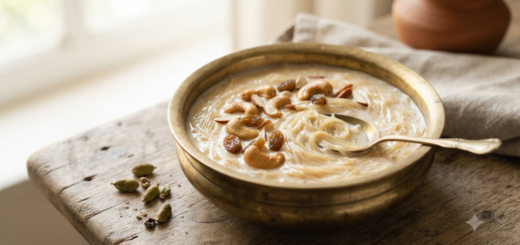
Creamy sago and vermicelli payasam finished with golden cashews, raisins and cardamom.
This is the familiar milk, sugar, cardamom, ghee, cashew and raisin version. “Hotel style” here means a rich but pourable texture, not a single standard restaurant formula. Full-fat milk gives the cleanest body, while a small amount of condensed milk is optional if you want a richer wedding-hall style finish.
Payasam Recipe With Sago and Vermicelli at a Glance
- Yield: about 4 to 5 dessert servings
- Prep: 30 minutes for soaking regular sago; quick-cooking nylon sago may need less or no soak
- Cook time: about 20 to 25 minutes
- Texture: creamy and pourable, with visible translucent sago pearls and soft semiya strands
- Key technique: start the sago first because it usually takes longer than vermicelli
- Best serving: warm, room temperature, or chilled after refrigeration
The exact cooking time depends on the sago size and the type of vermicelli. Therefore, use the visual signs in this recipe rather than treating the clock as the only test. This payasam recipe with sago and vermicelli rewards visual checks more than rigid timing.
Why Sago and Vermicelli Need Different Timing
Sago, also called sabudana, javvarisi or saggubiyyam, needs enough moisture to become translucent through the centre. Vermicelli softens much faster, especially when you use fine or pre-roasted semiya. If both go into the pot at the same moment, the semiya can break down before larger sago pearls finish cooking.
The easiest fix is sequential cooking. Start the soaked sago in water, then add roasted vermicelli once the pearls are partly translucent. After that, add hot milk and finish both together, so the payasam stays creamy without turning into a thick porridge. That order makes this payasam recipe with sago and vermicelli much more forgiving.
Recipe Card
| Detail | Amount |
|---|---|
| Prep time | 30 minutes for regular sago |
| Cook time | 20 to 25 minutes |
| Total time | About 50 to 55 minutes including soak |
| Servings | 4 to 5 |
| Method | Stovetop |
| Cuisine | South Indian |
Ingredients for Creamy Sago Vermicelli Payasam
- 1/4 cup regular white sago or sabudana
- 1/2 cup vermicelli or semiya
- 3 cups full-fat milk
- 1 cup water, plus extra hot water only if the sago needs it
- 1/3 cup sugar, then adjust to taste
- 1 tablespoon ghee
- 10 to 12 cashews
- 1 tablespoon raisins
- 1/2 teaspoon cardamom powder
- 1 small pinch salt, optional
- 2 tablespoons sweetened condensed milk, optional for a richer finish
- A few saffron strands, optional
Use regular roasted vermicelli if you want the quickest route. This payasam recipe with sago and vermicelli also works with raw semiya after a light ghee roast. Do not deeply brown it because dark vermicelli can overpower the delicate milk and cardamom flavour.
How to Make Payasam Recipe With Sago and Vermicelli
1. Rinse and soak the sago
Rinse the sago briefly until the surface dust is gone. Cover regular medium sago with water and soak for about 30 minutes, then drain. If you use nylon or very small quick-cooking sago, follow the packet guidance because some types soften much faster.
2. Roast the nuts and vermicelli
Heat the ghee in a heavy saucepan on low to medium heat. Fry the cashews until light golden, then add the raisins and remove both once the raisins puff. If the vermicelli is not already roasted, add it to the remaining ghee and stir until lightly golden.
3. Cook the sago first
Bring 1 cup water to a gentle boil in the same pan, then add the soaked sago. Cook on low to medium heat while stirring often, because the pearls can settle and stick. Stop this stage when most pearls look translucent but a faint white dot remains in a few centres.
If the water disappears before the sago reaches that stage, add a small splash of hot water. Avoid pouring in a large amount at once, since too much starch-rich liquid can make the finished payasam gluey.
4. Add the vermicelli and hot milk
Add the roasted vermicelli, then pour in the hot milk. Keep the heat low to medium and stir every minute or two, so the milk does not catch at the bottom. Cook until the semiya is soft and the sago is fully translucent, usually another 5 to 8 minutes.
5. Sweeten only after both are cooked
Add the sugar after the sago and vermicelli are tender. Stir until the sugar dissolves, then simmer gently for 2 to 3 minutes. The mixture should still look slightly looser than your final target because both sago and semiya keep absorbing liquid as they cool.
6. Finish with cardamom and nuts
Turn the heat to low, then stir in the cardamom and optional saffron. Add the fried cashews and raisins. If you want extra richness, stir in 2 tablespoons of condensed milk now and reduce the sugar slightly next time if the batch tastes too sweet.
What “Hotel Style” Should Mean Here
There is no single hotel formula for this dessert, so texture matters more than a special secret ingredient. A good hotel-style bowl should pour from a ladle, hold visible semiya strands, and show translucent sago pearls without turning stiff. The milk should taste rich, but it should not feel like condensed pudding.
Full-fat milk gives that body naturally, while sago adds light starch and a soft chew. This payasam recipe with sago and vermicelli does not need condensed milk to taste rich. If you use it, add only a small amount because the sago already thickens the dessert as it rests.
Payasam Recipe With Sago and Vermicelli: Common Mistakes
| Problem | Likely cause | Fix |
|---|---|---|
| Hard white centre in sago | Sago needed more soaking or cooking | Add hot water and cook longer before the milk stage |
| Mushy semiya | Vermicelli went in too early | Start sago first, then add semiya later |
| Payasam turns very thick | Sago and semiya keep absorbing liquid | Stir in hot milk until pourable |
| Milk scorches | Heat is too high or pan is thin | Use a heavy pan and stir more often |
| Too sweet | Sugar plus condensed milk | Use one main sweetener or reduce sugar |
The most important correction is simple: do not judge doneness only by minutes. Sago varieties differ, so the pearls should guide you. When they turn translucent through the centre, they are ready for the final stage.
Which Sago Works Best?
Regular white sabudana, Tamil javvarisi and Telugu saggubiyyam all work, although size changes the soaking and cooking time. Medium pearls give a pleasant bite and are easy to see in the finished dessert. Small nylon sago cooks faster and is useful when you want a more instant version.
Because brands vary, check the packet before soaking. Some quick-cooking sago can go straight into hot liquid after a short rinse, while larger pearls benefit from soaking. This is why the old one-hour soaking rule should not be treated as universal.
Can You Make It With Jaggery?
Yes, but jaggery changes both flavour and technique. Melt the jaggery separately with a little water, strain it, and let the syrup cool slightly. Turn off the heat under the milk payasam before adding the syrup, since some jaggery can make very hot milk split.
Jaggery gives a deeper caramel note, so the result tastes different from the pale sugar-based hotel version. If you want the clean milk-and-cardamom flavour, white sugar remains the simpler choice.
Dairy-Free Sago Vermicelli Payasam
For a dairy-free version, replace ghee with coconut oil and use thin coconut milk for cooking. Add thicker coconut milk only near the end, then keep the heat gentle because hard boiling can dull the flavour. Jaggery pairs especially well with coconut milk, although sugar also works.
The texture will not copy dairy milk exactly, but sago still gives good body. If you want another dairy-free dessert idea, Bhimas Cook also has a vegan Indian desserts collection built around coconut milk, jaggery and other plant-based ingredients.
How to Adjust the Consistency
This payasam thickens noticeably after 15 to 30 minutes because both starches keep drinking in liquid. For a drinkable wedding-feast texture, stop cooking while it still looks a little loose. This payasam recipe with sago and vermicelli loosens quickly with a little hot milk.
For a spoonable dessert, let it reduce slightly longer before switching off the heat. However, avoid aggressively boiling it down because milk can scorch and the semiya can lose its shape.
Serving Ideas and Other Payasam Variations
Serve the payasam warm after a South Indian meal, or chill it for a thicker dessert. If you want the same semiya flavour without sago, use the semiya payasam recipe. For a slower, rice-based version, see the rice payasam recipe.
A dal-based payasam gives a different texture and nuttier flavour. The moong dal payasam with condensed milk is useful when you want a richer festival dessert instead of a milk-and-vermicelli pudding.
Storage and Reheating
Because this is a milk-based dessert, cool leftovers promptly and refrigerate them in a covered container. The USDA food-safety guidance says perishable cooked food should not sit at room temperature for more than two hours, and most cooked leftovers are best used within three to four days.
For an Indian reference, FSSAI refrigerator guidance advises keeping milk and other perishables in the coldest part of the refrigerator and keeping cooked food covered. When reheating payasam, warm only the portion you need on low heat and add a splash of milk because the chilled dessert will be much thicker.
Why This Refresh Drops the “Instant” Promise
The old version called this an instant recipe even though it used a one-hour sago soak plus about 30 minutes of cooking. That description sets the wrong expectation. With regular sago, this is better described as an easy recipe with active cooking around 20 to 25 minutes, plus soaking.
You can make it faster with small nylon sago or another quick-cooking variety. Even then, package directions matter because sago types behave differently. The method should stay flexible enough to fit the ingredient in your kitchen rather than forcing every pearl into the same timing.
Final Tips for Better Sago Vermicelli Payasam
The best payasam recipe with sago and vermicelli depends on timing more than extra richness. Start the sago first, add the semiya later, sweeten only when both are tender, and stop before the mixture becomes thick. Those four choices protect the texture better than simply adding more milk or condensed milk.
Use full-fat milk when you want a richer finish, yet keep the final consistency loose enough to pour. If the payasam thickens while resting, hot milk fixes it quickly. That keeps the payasam recipe with sago and vermicelli creamy without changing its basic flavour.
Frequently Asked Questions
Do I have to soak sago before making this payasam?
Not always. Regular medium sago usually benefits from a short soak, while some nylon or quick-cooking varieties need little or none. Check the packet, then judge doneness by the pearl turning translucent rather than by a fixed soaking time.
Can I cook sago and vermicelli together from the beginning?
You can, but the textures are less predictable because sago usually takes longer. Starting the sago first gives you more control, so the vermicelli stays soft without breaking down before the pearls finish cooking.
Why did my sago vermicelli payasam become too thick?
Sago and semiya both keep absorbing liquid after the heat is off. Therefore, the payasam can become much thicker during cooling. Stir in hot milk until it returns to a pourable consistency.
Can I use pre-roasted vermicelli?
Yes. Pre-roasted vermicelli saves time and works very well here. You can warm it briefly in the pan for aroma, but you do not need to brown it again.
Can I use condensed milk instead of sugar?
Yes, although condensed milk makes the dessert richer and sweeter. Add it near the end and taste before adding extra sugar. A small amount is usually enough because sago already gives the payasam body.
Can I make payasam recipe with sago and vermicelli with jaggery?
Yes. Melt and strain the jaggery separately, then add it off heat after the milk mixture cools slightly. This method reduces the chance of the hot milk splitting and gives the payasam a deeper caramel flavour.
How long does sago vermicelli payasam keep in the fridge?
Refrigerate it promptly in a covered container and use it within three to four days under standard leftover-safety guidance. It will thicken in the fridge, so add a little milk when reheating.
Is sago vermicelli payasam served hot or cold?
Both are common. Warm payasam tastes more fluid and aromatic, while chilled payasam becomes thicker and more pudding-like. If you chill it, loosen it with milk before serving if needed.