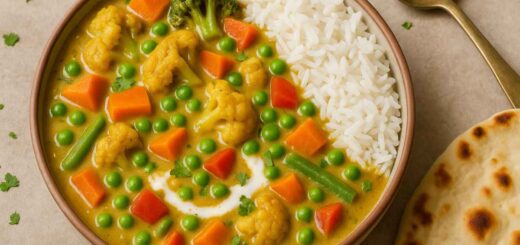
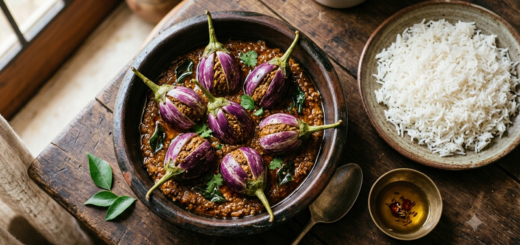
Temple-Style Tamarind Rice Recipe (Puliyodarai) – Authentic South Indian Prasadam at Home
Learn how to make authentic temple-style tamarind rice (Puliyodarai) at home with traditional methods, tips, health benefits, and storage ideas.
Temple-Style Tamarind Rice Recipe (Puliyodarai) – Authentic South Indian Prasadam at Home
The temple-style tamarind rice recipe, popularly known as Puliyodarai, is one of the most sacred and flavorful rice dishes from South India. Served as prasadam in temples like Tirupati, Srirangam, and Chidambaram, this dish is deeply rooted in tradition, Ayurveda, and devotion.
Unlike regular tamarind rice, temple Puliyodarai is made with a slow-cooked tamarind paste (puliyodarai gojju) blended with aromatic spices, sesame oil, and perfectly cooked rice. It is naturally vegan, preservative-free, and stays fresh for hours—making it ideal for travel, festivals, and offerings.
In this Bhimascook.com exclusive, you’ll learn the authentic temple method, not shortcuts, ensuring the exact prasadam taste at home.
What Makes Temple-Style Tamarind Rice Unique?
Temple-style Puliyodarai stands apart due to:
- No onion or garlic
- Heavy use of sesame (gingelly) oil
- Slow reduction of tamarind paste
- Balanced sour, spicy, and salty flavors
- Long shelf life without refrigeration
This traditional method follows satvik cooking principles, making it suitable for rituals and fasting days.
Ingredients for Temple-Style Tamarind Rice Recipe
For Tamarind Paste (Puliyodarai Gojju)
- Tamarind – 1 lemon-sized ball
- Water – 2 cups
- Sesame oil – 4 tbsp
- Mustard seeds – 1 tsp
- Chana dal – 1 tbsp
- Urad dal – 1 tbsp
- Dry red chilies – 5–6
- Asafoetida (hing) – a pinch
- Turmeric powder – ½ tsp
- Jaggery – 1 tbsp (optional, traditional)
- Salt – to taste
Dry Roast & Grind
- Coriander seeds – 2 tbsp
- Fenugreek seeds – 1 tsp
- Black pepper – 1 tsp
- Dry red chilies – 4
For Rice
- Raw rice (Sona Masuri) – 2 cups
- Sesame oil – 1 tbsp
- Salt – a pinch
Step-by-Step Temple-Style Tamarind Rice Recipe
Step 1 – Prepare Tamarind Extract
Soak tamarind in warm water for 20 minutes. Extract thick pulp and keep aside.
Step 2 – Roast and Grind Spice Powder
Dry roast coriander seeds, fenugreek, pepper, and red chilies until aromatic. Cool and grind into a fine powder.
Step 3 – Cook the Tamarind Gojju
Heat sesame oil in a heavy pan. Add mustard seeds, chana dal, urad dal, red chilies, and hing.
Pour tamarind extract, add turmeric and salt. Cook on low flame for 20–25 minutes until thick and glossy.
Add ground spice powder and jaggery. Simmer 5 minutes and switch off.
Step 4 – Cook Rice Perfectly
Cook rice separately. Spread on a plate, drizzle sesame oil, and allow to cool completely.
Step 5 – Mix and Rest
Mix required amount of tamarind paste with rice gently. Let it rest for 30 minutes before serving.
Quick Facts
- Cuisine: South Indian
- Diet: Vegan, Satvik
- Prep Time: 20 mins
- Cook Time: 40 mins
- Shelf Life: 24 hours (room temperature)
Serving, Plating & Storage Tips
Serving: Serve with fried papad or coconut chutney.
Plating: Use banana leaf for authentic temple feel.
Storage: Tamarind paste stays fresh up to 7 days refrigerated. Rice mixture lasts 24 hours without fridge.
Health Benefits of Tamarind Rice
- Tamarind aids digestion
- Fenugreek controls blood sugar
- Sesame oil improves gut health
- Naturally probiotic-friendly
Pro Tips for Authentic Temple Taste
- Always use sesame oil, never refined oil
- Do not overcook rice
- Resting time enhances flavor
- Avoid metal spoons while mixing
Frequently Asked Questions
Q1. Is temple-style tamarind rice vegan?
Yes, this temple-style tamarind rice recipe is completely vegan.
Q2. Can I store Puliyodarai paste?
Yes, refrigerate up to 7 days.
Q3. Why is sesame oil mandatory?
It gives authentic aroma and improves shelf life.
Q4. Is jaggery compulsory?
Optional, but traditionally used to balance sourness.
Q5. Which rice is best for Puliyodarai?
Sona Masuri or raw rice works best.
Useful Links
This temple-style tamarind rice recipe is more than food—it’s tradition, devotion, and wellness combined. By following this authentic method, you can recreate sacred prasadam flavors right in your kitchen. Try it today and bring temple vibes home.
Author Pack:
Written by Bhimascook Kitchen Team – Indian vegetarian food researchers with expertise in traditional South Indian temple recipes, satvik cooking, and culinary heritage preservation.