Payasam Milkmaid Recipe: Easy Creamy Semiya Payasam
This payasam Milkmaid recipe makes a creamy semiya payasam with full-fat milk, roasted vermicelli, cardamom and sweetened condensed milk. The key is simple: cook the semiya until tender first, then add Milkmaid on low heat so the dessert stays smooth instead of becoming overly thick or scorched.
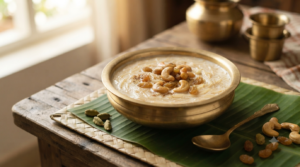
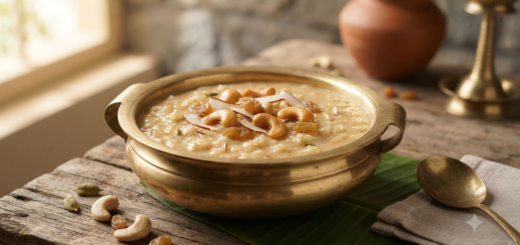
Creamy semiya payasam made with full-fat milk, sweetened condensed milk, cardamom, cashews and raisins.
For this payasam Milkmaid recipe, Milkmaid already contains sugar, so extra sugar is unnecessary for most tastes. Start with a smaller amount, taste, and add more only if needed. That one change gives you better control than emptying a full tin into the pan.
Payasam Milkmaid Recipe at a Glance
This version is a quick South Indian-style vermicelli payasam made richer with sweetened condensed milk. It gives a creamy, pourable texture in about 25 to 30 minutes, and it works well for family meals, festivals or a simple make-ahead dessert.
- Prep time: about 5 minutes
- Cook time: about 20 to 25 minutes
- Servings: 6 small dessert bowls
- Best milk: full-fat milk for a richer body
- Sweetener: Milkmaid or another sweetened condensed milk
- Best texture: creamy and pourable, not stiff like pudding
Nestlé India describes NESTLÉ MILKMAID as a partly skimmed sweetened condensed milk made for desserts. Because it is both dairy and sweetener, the recipe becomes richer quickly and needs less added sugar.
Ingredients for Creamy Semiya Payasam
Use roasted vermicelli if you want the fastest route. If your semiya is plain, roast it gently in a little ghee before adding milk. The quantities below give a balanced dessert that still flows from the ladle after cooling slightly.
- 1 litre full-fat milk
- 3/4 cup roasted semiya or vermicelli
- 150 to 200 g Milkmaid or other sweetened condensed milk, added to taste
- 1 tablespoon ghee
- 10 to 12 cashew nuts
- 1 tablespoon raisins
- 1/2 teaspoon cardamom powder
- A small pinch of saffron, optional
- 2 to 4 tablespoons hot milk for loosening at the end, if needed
The 150 to 200 g range in this payasam Milkmaid recipe is deliberate because condensed milk brands and personal sweetness preferences differ. Begin near 150 g, then taste after it dissolves. You can always add more, while removing sweetness is almost impossible.
How to Make the Payasam Milkmaid Recipe
The payasam Milkmaid recipe works best when you build it in stages. Roast the garnish, soften the semiya in milk, and add condensed milk only after the vermicelli is cooked. This order protects the milk from catching at the bottom and keeps the strands tender.
1. Fry the Cashews and Raisins
Heat the ghee in a heavy-bottomed saucepan over low to medium heat. Fry the cashews until light golden, then add the raisins and cook only until they puff. Remove both and keep them aside.
If your vermicelli is not pre-roasted, add it to the same pan next. Stir for 2 to 3 minutes until it turns lightly golden and smells nutty. Do not darken it too much because burnt semiya makes the whole payasam bitter.
2. Bring the Milk to a Gentle Simmer
Pour the milk into the pan and bring it to a gentle simmer over medium heat. Stir the base and sides often because milk solids can settle and scorch. A wide, heavy pan makes this easier than a thin vessel.
Once the milk is hot, reduce the heat slightly. Avoid a rolling boil, since hard boiling creates more skin and can make the final texture uneven.
3. Cook the Semiya Until Tender
Add the roasted semiya and stir well so the strands separate. Cook on low to medium heat until the vermicelli is soft but still holds its shape. Depending on the thickness of the strands, this usually takes about 8 to 12 minutes.
Stir every minute or two, especially near the end. The starch from the semiya thickens the milk as it cooks, so the mixture will look creamier before you add any condensed milk.
4. Add Milkmaid on Low Heat
Lower the heat, then stir in about 150 g of Milkmaid. Mix until the condensed milk disappears into the hot milk base. Simmer gently for 2 to 3 minutes, then taste before adding more.
If you want a sweeter, richer payasam, add another spoonful or two. Do not add plain sugar automatically because Milkmaid is already sweetened. This is the easiest way to keep the dessert balanced instead of cloying.
5. Finish with Cardamom and Garnish
Add cardamom powder and the optional saffron. Stir in the fried cashews and raisins, then turn off the heat. The payasam should look slightly thinner than your ideal serving consistency because it thickens as it cools.
Let it stand for 5 to 10 minutes before serving warm. For chilled payasam, cool it quickly, refrigerate it, and loosen it with a little cold or warm milk before serving if it becomes too thick.
How Much Milkmaid Should You Add?
There is no single correct amount because sweetness changes with the brand, serving temperature and personal taste. The safest method is to treat condensed milk as both the sweetener and a texture ingredient, then build the sweetness gradually.
| Milkmaid amount | Result | Best for |
|---|---|---|
| 150 g | Lightly sweet, creamy | After-meal dessert |
| 175 to 200 g | Richer and sweeter | Festive servings |
| More than 200 g | Very rich, thicker | Small portions only |
A common mistake is using condensed milk and sugar together from the start. That can push the sweetness too far before you have a chance to taste. Instead, add sugar only if the finished payasam still needs it, which is uncommon with the range above.
What “Hotel-Style” Payasam Really Means
“Hotel-style” is not one fixed professional formula. In home recipe searches, it usually means a richer milk base, a glossy finish, soft semiya and a strong cardamom-ghee aroma. Different restaurants use different ratios, so there is no universal hotel recipe to copy.
The practical way to get that richer feel is to use full-fat milk and control the reduction. Condensed milk adds body fast, while slow simmering concentrates the dairy flavour. Together they create the fuller texture people often associate with restaurant or wedding-hall payasam.
For a broader version that uses sugar instead of condensed milk, the site also has a semiya payasam recipe. Keeping that version separate helps this page stay focused on the Milkmaid method.
Common Payasam Milkmaid Recipe Mistakes
Most payasam Milkmaid recipe failures come from heat, sweetness or timing rather than difficult technique. If you keep the flame moderate and add condensed milk after the semiya softens, the recipe is forgiving. The table below shows the quickest fixes.
| Problem | Likely cause | Fix |
|---|---|---|
| Too thick | Over-reduced or cooled | Stir in warm milk gradually |
| Too sweet | Too much condensed milk or sugar | Add more hot milk and adjust texture |
| Scorched taste | High heat or thin pan | Use low heat and a heavy-bottomed pan |
| Semia turns mushy | Overcooking before sweetening | Stop when strands are tender |
| Payasam looks thin | Served immediately | Rest 5 to 10 minutes before judging |
If the base catches slightly at the bottom, do not scrape the burnt layer into the dessert. Pour the unburnt payasam into a clean pan, then continue on low heat. That simple rescue step can save the batch.
Milkmaid Versus Sugar in Semiya Payasam
Milkmaid makes the dessert creamier and sweeter at the same time, while sugar mainly changes sweetness. That means a condensed-milk version reaches a rich texture faster, but it also gives you less room to correct an overly sweet batch.
A sugar-only semiya payasam tastes lighter and lets the milk flavour remain more distinct. The Milkmaid version is better when you want a quick, dense, festive finish without reducing the milk for a long time. Neither is more “authentic” in every household because payasam methods vary by family and region.
Nestlé also publishes a wider dessert recipe collection using its products. Use those recipes for brand-specific ideas, while this method keeps the semiya texture and sweetness adjustable.
Variations Without Losing the Core Texture
You can change the flavour without changing the basic method. Add a few saffron strands for a floral note, or use sliced almonds and pistachios with the cashews. Rose water can work too, but add only a few drops after switching off the heat because too much can dominate the cardamom.
If you prefer a different base, try the site’s coconut payasam. For a heartier version, moong dal payasam with condensed milk uses the same sweetness logic with cooked dal instead of vermicelli.
Do not replace all the dairy milk with coconut milk and expect the same result. Coconut milk has a different fat structure and flavour, so it needs gentler heat and produces a distinctly different style of payasam.
Can You Make This Payasam Ahead?
Yes. Make the payasam a few hours ahead, cool it promptly, cover it and refrigerate it. Since vermicelli keeps absorbing liquid, the dessert will become thicker in the fridge, so stir in a little milk before serving.
For food safety, do not leave a milk-based dessert sitting at room temperature for long periods. The Food Safety and Standards Authority of India advises keeping cooked food cold below 5°C when it is stored, and reheating cooked food thoroughly before eating. See FSSAI’s Food Safety at Home guidance for the broader rule.
For best quality, finish refrigerated payasam within 2 days. Reheat only the portion you need, because repeated warming and cooling harms both texture and food safety.
Can This Be Used as Naivedyam or Festival Payasam?
Many families prepare milk-based payasam for festivals and puja, but offering customs differ by household, temple and tradition. If your family normally avoids packaged condensed milk in naivedyam, use the site’s sugar-based semiya version instead.
If packaged dairy is acceptable in your practice, keep the preparation simple and clean. Skip unnecessary flavourings, taste only after the offering if that is your custom, and follow your family’s established rules rather than treating one online recipe as universal ritual guidance.
Payasam Milkmaid Recipe: Final Texture Check
A good payasam Milkmaid recipe should be creamy, pourable and easy to spoon, with soft semiya that still has some shape. The sweetness should support the milk and cardamom rather than overwhelm them. If it looks perfect while boiling, it may become too thick after cooling.
So switch off the heat while the payasam is still slightly loose. Taste before adding extra condensed milk, and keep a little warm milk ready for adjustment. Those two habits solve most consistency problems before they reach the serving bowl.
Frequently Asked Questions
Can I make payasam with Milkmaid without sugar?
Yes. Milkmaid is sweetened condensed milk, so extra sugar is usually unnecessary. Start with about 150 g for 1 litre of milk, taste, and add more condensed milk only if you want a sweeter result.
Can I use unroasted semiya?
Yes. Roast plain semiya in a little ghee for 2 to 3 minutes before adding milk. This improves aroma and helps the strands stay separate during cooking.
Why does semiya payasam become thick after cooling?
Vermicelli continues absorbing liquid as it rests, while the milk base also firms when chilled. Keep the hot payasam slightly loose, then add a little milk before serving if the cooled texture becomes too thick.
Can I use low-fat milk in this payasam Milkmaid recipe?
Yes, but the dessert will taste lighter and may feel less creamy. Full-fat milk gives the richest result, while Milkmaid still adds sweetness and body even when lower-fat milk is used.
Can I use another condensed milk brand instead of Milkmaid?
Yes. Any sweetened condensed milk can work, although sweetness and thickness vary by brand. Add it gradually and taste before deciding the final amount rather than relying on a fixed tin fraction.
Is Milkmaid payasam served hot or cold?
Both work well. Warm payasam tastes softer and more aromatic, while chilled payasam becomes thicker and more pudding-like. If serving cold, loosen it with a little milk after chilling.
How do I fix payasam that is too sweet?
Add hot milk in small amounts, stir, and taste again. If the dessert then becomes too thin, simmer it briefly on low heat. Do not add salt or other strong flavours to hide excessive sweetness.
How long can I keep Milkmaid semiya payasam?
For best quality, refrigerate it promptly and finish it within 2 days. Keep it covered and cold, then reheat only the portion you plan to eat. Discard it if it develops an unusual smell, sourness or separation.