Poori Recipe Without Wheat Easy Gluten-Free Home Cooking
Poori Recipe Without Wheat: Easy Home Cooking Instant Gluten-Free Poori
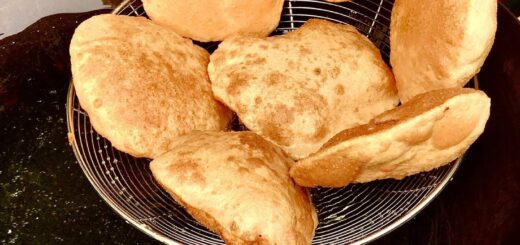
Poori Recipe Without Wheat is a delightful alternative to traditional puri made with whole wheat flour (Puri – Wikipedia). In this recipe article, you will learn how to make soft, crispy **Poori Without Wheat** using rice flour – a popular variation in many Indian kitchens that is naturally gluten-free and easy to prepare at home. Whether you’re avoiding wheat or simply want to try something different, this poori recipe delivers great texture and taste.
Recipe Card
| Prep Time | 15 mins |
|---|---|
| Resting Time | 30 mins |
| Cook Time | 20 mins |
| Total Time | About 1 hr |
| Servings | 12–15 Pooris |
| Difficulty | Easy |
Ingredients
- 2 cups rice flour (coarse or medium grain)
- 2 medium boiled potatoes, mashed (optional but recommended)
- 1 tsp cumin seeds
- 1 tsp coriander powder
- ½ tsp turmeric powder
- ½ tsp red chilli powder (adjust to taste)
- Salt to taste
- 2 tbsp oil or ghee (for dough)
- Oil for deep frying
- 1½ – 2 cups hot water (as needed)
Step-By-Step Instructions
1. Prepare The Dough (15 mins)
In a large bowl, combine 2 cups rice flour, 1 tsp cumin seeds, 1 tsp coriander powder, ½ tsp turmeric powder, ½ tsp red chilli powder and salt. Add mashed potatoes if using – it helps bind the dough and softens the texture (optional). Drizzle 2 tbsp oil or ghee into the mixture and rub it with your fingers until crumbly. Slowly add 1½ cups hot water (use boiling water) in small batches.
Therefore, mix with a wooden spoon while the water is still hot. Once cool enough to touch, knead into a soft, pliable dough (~3-4 mins). If the dough feels dry, add a little more warm water; if sticky, sprinkle a bit of rice flour. Understanding Poori Recipe Without Wheat is essential.
2. Rest The Dough (30 mins)
Cover the dough with a damp cloth and let it rest for 30 minutes. Resting allows the rice flour to absorb water properly, making the dough easier to roll. This step is essential for gluten-free dough.
3. Roll The Pooris (10 mins)
After resting, divide the dough into equal golf-ball sized portions. Take one portion and press it between your palms to flatten slightly. Place it on a lightly oiled surface or between two plastic sheets. Roll gently into a 4–5 inch circle. Keep rice flour mixture or a light oil coating to prevent sticking. Repeat for all portions.
4. Fry The Pooris (20 mins)
Heat enough oil in a deep pan over medium-high heat. Test the oil by dropping a small piece of dough – it should rise to the surface immediately. Carefully slide a rolled poori into the hot oil; it should puff up in ~30–40 seconds. Use a slotted spoon to gently press and splash oil on top to help puffing. This relates to Poori Recipe Without Wheat.
Therefore, once golden brown, flip and cook the other side (~30 secs). Drain on paper towels. Fry in batches (2–3 at a time) without overcrowding the pan.
Pro Tips From My Kitchen
When I first tried **Poori Recipe Without Wheat**, rolling the rice dough was the trickiest part. Here’s what worked for me:
- **Hot water is a must.** Cold water won’t bind rice flour properly and results in crumbly dough.
- Keep your hands lightly oiled while rolling – rice dough tends to stick.
- If you’re hesitant about rice flour alone, add a tablespoon of gram flour (besan) for easier handling (optional experiment).
- Splashing hot oil over the dough in the pan helps the poori puff beautifully.
- Avoid super thin rolling – slightly thicker pooris puff better and hold texture.
Chef’s Notes
Substitutions
For gluten-free variation, you may blend rice flour with a bit of tapioca or arrowroot flour – this makes the dough less crumbly. Finger millet (ragi) or sorghum (jowar) also make interesting alternatives, though handling the dough requires practice. Learn more about Poori Recipe Without Wheat.
Storage Tips
Rice flour pooris are best eaten fresh; they crisp up right after frying. Leftovers can be stored at room temperature (airtight) for ~24 hours. Reheat in a pan on low flame or microwave briefly. Avoid refrigerating as it can make them hard.
Nutrition Information (Approx. Per Serving)
| Calories | ~100 kcal |
|---|---|
| Carbohydrates | 19 g |
| Fat | 1.4 g* |
| Protein | 2.6 g |
| Fiber | 0.7 g |
| Sodium | ~99 mg |
*Nutrition data is adapted from a gluten-free puri recipe test (~12 pieces) and will vary with ingredients and frying method.
What To Serve With Rice Pooris
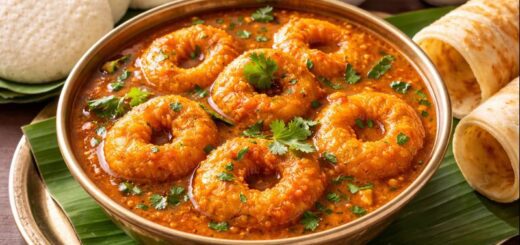
In Southern and Western India, rice flour pooris are often paired with potato curry, coconut chutney, chole (chickpea curry), or simple dal. These accompaniments add layers of flavour and turn a simple **Poori Without Wheat** into a satisfying meal. Some households even enjoy them with tangy sambar or fresh yogurt and pickle for breakfast or lunch.
FAQs About Poori Without Wheat
1. Do rice flour pooris puff like wheat pooris?
Rice flour pooris won’t puff exactly like wheat puris due to lack of gluten, but they still form beautiful pockets when fried correctly with hot oil.
2. Can I make this recipe vegan?
Yes – simply use oil instead of ghee in the dough and frying. Both flavour and texture remain excellent.
3. Is hot water really necessary?
Yes – hot boiling water gelatinizes rice starch slightly, helping the dough bind. Cold water won’t produce the desired texture.
4. Can I freeze the dough?
You can freeze the rolled balls before frying. Freeze them spaced out, then transfer to a zip lock bag. Fry straight from frozen, but expect slightly longer cooking time.
Making **Poori Recipe Without Wheat** was a pleasant discovery in my kitchen. What surprised me most was how wonderfully the rice flour poori paired with simple curries – crispy on the outside, tender inside, with a subtle naturally sweet aroma. I personally recommend trying this version at least once if you’re exploring gluten-free Indian breads!