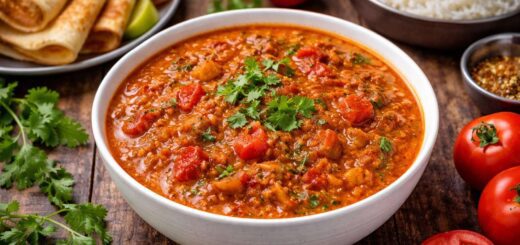
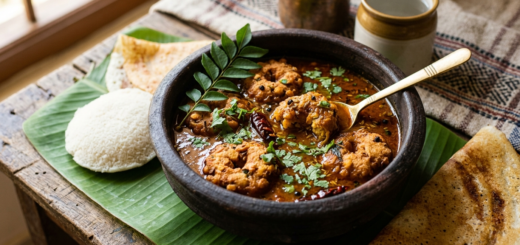
Hotel Style Sambar for Dosa: Easy Tiffin Sambar Recipe
A good hotel style sambar for dosa is lighter, more aromatic and a little sweeter than the sambar most people cook at home for rice. That single difference is why your kitchen version never quite tastes like the one at Saravana Bhavan or your neighbourhood tiffin centre.
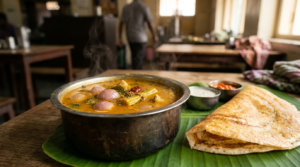
Light, aromatic hotel style sambar for dosa, made the real tiffin-centre way with moong dal and shallots.
The secret is not a fancier sambar powder. Instead, it comes down to the lentil you choose, the tiny onions you use, and a freshly ground masala that home cooks usually skip. Get those three right, and you can serve a bowl that soaks into a crisp dosa exactly the way it does at a busy Chennai breakfast counter.
Hotel Style Sambar for Dosa at a Glance
- Best dal: mostly moong dal, not pure toor dal, so it stays light for tiffin.
- The onion: small shallots (sambar onions), because they turn sweet as they cook.
- The flavour secret: a freshly roasted and ground coconut-spice masala.
- Consistency: pourable and slightly runny, so a dosa can soak it up.
- The finish: a spoon of ghee and a last-minute tempering for aroma.
- Time: about 45 minutes, start to finish, for 4 servings.
Because so many recipes online simply relabel a rice-style toor dal sambar as “hotel style,” this guide corrects that mistake first, then walks you through the real method step by step.
Why Hotel Style Sambar for Dosa Tastes Different
Tiffin sambar and rice sambar are cooked for two different jobs. The one served with rice is thick, tangy and heavy on toor dal. The one served with dosa and idli is thinner, milder and gently sweet. Restaurants build that lighter profile on purpose so it complements a crisp breakfast instead of overpowering it.
Three choices create the shift. First, tiffin sambar leans on moong dal, which cooks softer and tastes milder than toor dal. Second, shallots replace big onions, since they melt into a natural sweetness.
Third, a small handful of roasted gram and grated coconut are ground fresh into the pot. These are the moves a home cook usually misses, so their sambar ends up tasting like a rice accompaniment by mistake.
The Hotel Style Sambar for Dosa Secret Most Cooks Miss
Ask any tiffin-centre cook and the answer is consistent. Freshly ground masala beats packet powder every time. A short roast of coriander seeds, chana dal, fenugreek, cumin, pepper and red chillies, ground with coconut, gives that unmistakable restaurant aroma.
Many hotels also stir in fried gram dal, because it thickens the sambar naturally and stretches the quantity. A drizzle of ghee at the very end seals the deal.
Tiffin Sambar vs Rice Sambar
Both dishes share a name, yet they are cooked for different plates. Knowing the contrast helps you cook the right one. A hotel style sambar for dosa is the tiffin version, so it should always lean light and pourable.
| Feature | Tiffin Sambar (for dosa) | Rice Sambar |
|---|---|---|
| Main dal | Moong dal | Toor dal |
| Consistency | Thin, pourable | Thick, hearty |
| Tanginess | Mild | Strong and sour |
| Onion | Shallots | Regular onion |
| Served with | Dosa, idli, vada | Steamed rice |
The dish itself has deep roots across the south. As the history of sambar shows, regional cooks have shaped countless versions over centuries. The tiffin style is simply the one restaurants perfected for breakfast.
Recipe Card
| Detail | Value |
|---|---|
| Prep Time | 15 minutes |
| Cook Time | 30 minutes |
| Total Time | 45 minutes |
| Servings | 4 servings |
| Cuisine | South Indian |
| Difficulty | Easy |
Ingredients for Hotel Style Sambar for Dosa
These quantities make 4 generous servings. The dal ratio is the important part, so measure it with a little care.
- Moong dal (split yellow): ½ cup
- Toor dal (split pigeon peas): ¼ cup
- Shallots (sambar onions): 12, peeled and left whole
- Tomato: 1 medium, chopped
- Drumstick: 1, cut into finger-length pieces
- White pumpkin (ash gourd): ½ cup, cubed — the natural sweetener
- Carrot: 1 small, chopped (optional)
- Tamarind: a small gooseberry-sized ball, soaked in warm water
- Turmeric powder: ¼ tsp
- Sambar powder: 1 tsp (supports the fresh masala below)
- Jaggery: ½ tsp (optional, for balance)
- Salt: 1 tsp, or to taste
- Curry leaves: 10–12
To Roast and Grind (the Fresh Masala)
- Oil: 1 tsp
- Coriander seeds: 1 tbsp
- Chana dal: 1 tsp
- Fenugreek seeds (methi): a scant ⅛ tsp
- Cumin seeds: ½ tsp
- Black peppercorns: ¼ tsp
- Dried red chillies: 2–3
- Grated coconut: 2 tbsp
- Roasted gram dal (pottukadalai): 1 tbsp, for body
For Tempering
- Ghee or oil: 2 tbsp (ghee is the restaurant choice)
- Mustard seeds: 1 tsp
- Fenugreek seeds: a pinch
- Dried red chillies: 1–2
- Asafoetida (hing): a pinch
- Curry leaves: a few
- Coriander leaves: 2 tbsp, chopped, to garnish
How to Make Hotel Style Sambar for Dosa
This is the easy cooking method you can repeat any morning. Work through the five stages in order, and do not rush the fresh masala.
Step 1: Cook the Dal
Rinse the moong dal and toor dal together until the water runs clear. Add them to a pressure cooker with 2 cups of water and the turmeric. Cook for 3 whistles, then let the pressure drop naturally. Mash the dal smooth and keep it aside.
Step 2: Roast and Grind the Masala
Heat 1 tsp oil in a small pan. Add the coriander seeds, chana dal, fenugreek, cumin, pepper and red chillies. Roast on low heat until golden and fragrant, which takes about two minutes.
Add the coconut and roasted gram, then switch off. Cool slightly, add a little water, and grind to a smooth paste.
Step 3: Simmer the Vegetables
In a wide pot, add the shallots, tomato, drumstick, white pumpkin and curry leaves. Pour in the tamarind extract and about 1 cup of water. Add a pinch of salt, then simmer for 8–10 minutes. The shallots should turn soft and the drumstick tender before you move on.
Step 4: Bring It Together
Stir in the mashed dal, the ground masala, the sambar powder and the remaining salt. Add water until the sambar looks pourable rather than thick. Drop in the jaggery if you like a gentle sweetness. Let everything simmer together for 6–8 minutes so the flavours settle.
Step 5: Temper and Finish
Heat the ghee in a small pan. Add mustard seeds and wait for them to crackle. Toss in fenugreek, red chillies, hing and curry leaves, then fry for 20 seconds.
Pour this sizzling tempering straight into the sambar. Stir in the coriander leaves, cover the pot, and rest it for five minutes before serving.
Getting Hotel Style Sambar for Dosa to the Right Consistency
Consistency separates a good tiffin sambar from a great one. A proper hotel style sambar for dosa should pour easily, a touch thinner than rice sambar. That way, a torn piece of dosa soaks up flavour without turning soggy.
Because the dal and ground gram both thicken as the sambar sits, always keep a little hot water nearby. Add a splash before serving if it has tightened. A sambar that mounds on the spoon is built for rice, not for a crisp dosa.
Hotel Style Sambar for Dosa: Mistakes to Avoid
Small habits are what push a home sambar toward restaurant quality. These are the fixes that matter most, drawn from how tiffin-centre cooks actually work.
- Use moong dal as the base. Pure toor dal makes the sambar heavy, which suits rice but not tiffin.
- Do not skip shallots. Their slow sweetness is a signature of hotel style sambar for dosa.
- Grind the masala fresh. Packet powder alone tastes flat next to a freshly roasted paste.
- Go easy on tamarind. Tiffin sambar is milder and less sour than the rice version.
- Temper at the end. Adding the tadka last keeps the aroma alive on the table.
- Finish with ghee. A final spoon of ghee is the difference you can smell.
Why Does My Sambar Taste Flat?
A flat, dull sambar usually means the masala was under-roasted or the salt was low. Roast the spices until they turn deeply fragrant, never pale. Balance the tamarind with a pinch of jaggery, and taste for salt right before serving. These three checks fix most bland batches.
Substitutions and Storage
Home kitchens rarely stock every ingredient, so a few swaps keep this recipe practical. Storage is simple too, since sambar reheats well.
Easy Substitutions
- No shallots? Use half a regular onion, though the sweetness will be milder.
- No white pumpkin? A little extra carrot or a pinch more jaggery restores balance.
- Short on time? Skip grinding and use 2 tsp of a good sambar powder plus the roasted gram.
- Want it vegan? Temper in oil or coconut oil instead of ghee.
Storage Tips
- Refrigerator: keep it in an airtight container for up to 3 days.
- Freezer: freeze for up to a month, then thaw overnight before reheating.
- Reheat: warm gently and add a splash of water to loosen the consistency.
What to Serve With Hotel Style Sambar for Dosa
A hotel style sambar for dosa is built for a South Indian breakfast spread. It pairs beautifully with a crisp Andhra pesarattu, plain dosa, soft idli or medu vada. For a heartier plate, spoon it over foxtail millet pongal. A coconut chutney on the side completes the meal.
If you enjoy South Indian gravies, a bright rasam makes a lovely follow-up course after sambar and dosa. For a one-pot weekend treat, a Karnataka-style bisi bele bath uses the same pantry staples.
Nutrition Information (Approximate Per Serving)
These figures are estimates for one of four servings, and they shift with the exact vegetables and fat you use. Made with dal and plenty of vegetables, tiffin sambar stays light, at roughly 70–90 kcal per serving.
| Nutrient | Amount |
|---|---|
| Calories | ~85 kcal |
| Carbohydrates | 12 g |
| Protein | 6 g |
| Fat | 3 g |
| Fibre | 4 g |
Before You Cook Hotel Style Sambar for Dosa
The heart of a good hotel style sambar for dosa is not complicated. Choose moong dal for lightness, use shallots for sweetness, and grind a fresh masala for that restaurant aroma. Keep the consistency pourable, finish with ghee, and taste before you serve.
Do that, and your breakfast table will smell like a Chennai tiffin centre by the weekend. With a little practice, the whole dish comes together in under an hour on any regular morning.
Frequently Asked Questions
What Makes Hotel Style Sambar for Dosa Different from Regular Sambar?
Hotel style sambar is lighter, milder and slightly sweet, because it uses moong dal, shallots and a freshly ground coconut-spice masala. Rice sambar, by contrast, is thicker, tangier and built on toor dal. The tiffin version is thinned on purpose so a dosa can soak it up.
Can I Use Only Toor Dal Instead of Moong Dal?
You can, but the sambar will taste heavier and more like a rice accompaniment. Moong dal is what keeps tiffin sambar soft and light. If you only have toor dal, use a little less and add extra water to lighten the body.
Why Is My Sambar Bitter?
Bitterness usually comes from burnt fenugreek or over-roasted spices while grinding the masala. Too much tamarind can also sharpen it. Roast gently until golden, keep the tamarind light, and balance with a pinch of jaggery.
Can I Use Store-Bought Sambar Powder?
Yes, and it is a fine shortcut on a busy morning. Use about 2 tsp along with a spoon of roasted gram for body. The flavour will still be good, though a freshly ground masala gives the truest hotel taste.
What Vegetables Work Best?
Shallots and drumstick are essential for authentic flavour. White pumpkin adds a gentle sweetness, while carrot and tomato round it out. Keep the vegetable list short, since tiffin sambar is not meant to be crowded.
How Do I Make It Less Spicy?
Reduce the dried red chillies in both the masala and the tempering. A pinch of jaggery softens the heat further. Milder sambar powder also helps if you are cooking for children.
Is Hotel Style Sambar for Dosa Vegan and Gluten-Free?
It is naturally gluten-free, and it becomes fully vegan when you temper in oil or coconut oil instead of ghee. That flexibility is part of why South Indian tiffin food travels so well. The taste stays close to the restaurant original either way.