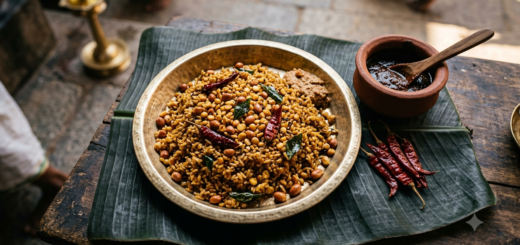
Kerala Sambar with Coconut: The Authentic Varutharacha Method
Kerala sambar with coconut is not the same dish as everyday sambar, and the difference comes down to one step that most recipes online quietly skip. In Kerala this version is called varutharacha sambar — varuthu (roasted) plus arachu (ground) — because the coconut and whole spices are roasted dark and ground fresh into a paste. That paste replaces packet sambar powder entirely. So if a recipe tells you to roast a coconut masala and stir in two tablespoons of readymade powder, it is quietly making a different, muddier curry.
Kerala sambar with coconut, thickened with a freshly roasted and ground coconut masala.
Kerala Sambar with Coconut at a Glance
Here is the short version before the detail, so you know what you are committing to.
- Malayalam name: varutharacha sambar, also called thenga aracha sambar
- Defining step: coconut roasted to a deep golden brown, then ground with roasted dals and spices
- No packet powder: the ground masala is the spice blend
- Total time: about 1 hour, plus a 30-minute rest before serving
- Texture: thicker and creamier than Tamil Nadu sambar, with a lighter brown colour
- Classic occasion: the Onam sadya, where it is served over the first round of rice
What Makes Kerala Sambar with Coconut Different
Kerala sambar with coconut differs from regular sambar because the flavour base is a freshly roasted coconut-and-spice paste rather than a dry, pre-ground powder. Roasting draws oil out of the coconut, so the paste thickens the curry while adding a nutty, faintly smoky depth. The result tastes rounder and less sharp than a powder-based sambar.
Everyday sambar leans on tamarind and chilli for its punch. Because this version carries roasted coconut fat, it coats the vegetables instead of running off them. That is why a Kerala sambar sits heavier on the plate and thickens noticeably as it cools.
The other structural difference is the dal in the masala. Alongside coconut, cooks roast a spoon of chana dal and a smaller spoon of urad dal before grinding. Those roasted lentils give body and a toasted-grain aroma that coconut alone cannot supply.
The Mistake Almost Every Online Recipe Repeats
Search this dish and you will find dozens of recipes that roast a coconut masala and then add two tablespoons of shop-bought sambar powder on top. That combination is the single most common error circulating online, and it is worth naming plainly.
Packet sambar powder already contains roasted coriander, chilli, fenugreek and dals. Adding it to a fresh varutharacha paste doubles every one of those spices. Consequently the tamarind and coconut get buried, the colour turns muddy, and the fenugreek edge often tips into bitterness.
Traditional Thrissur and Palakkad households make this sambar without readymade powder — that is the whole point of grinding fresh. If you want the quick weekday version instead, use our everyday sambar with readymade sambar powder, which is built around the packet from the start.
Recipe Card
Kerala sambar with coconut takes longer than weekday sambar, mostly because of the roasting and the rest.
| Detail | Value |
|---|---|
| Prep time | 20 minutes |
| Cook time | 40 minutes |
| Resting time | 30 minutes (recommended) |
| Total time | 1 hour 30 minutes |
| Servings | 6 |
| Cuisine | Kerala, South Indian |
| Difficulty | Medium |
| Diet | Vegan, gluten-free if hing is wheat-free |
Ingredients for Kerala Sambar with Coconut
For the dal and vegetables
- Toor dal (split pigeon peas) — 1 cup (200 g)
- Turmeric powder — ½ teaspoon
- Water — 2 cups for the dal, plus 1½ to 2 cups later
- Mixed vegetables — 3 cups (about 400 g): drumstick, ash gourd, pumpkin, carrot, brinjal
- Shallots (small onions) — 8 to 10, peeled and left whole
- Tamarind — a lemon-sized ball, soaked in ½ cup warm water
- Salt — 1¼ teaspoons, or to taste
For the roasted coconut masala
- Coconut oil — 1 teaspoon
- Chana dal — 1 tablespoon
- Urad dal — 1 teaspoon
- Fenugreek seeds — ¼ teaspoon (no more)
- Coriander seeds — 1½ tablespoons
- Dried red chillies — 4 to 5
- Fresh grated coconut — ¾ cup (about 60 g)
- Shallots — 3, roughly chopped
- Curry leaves — a few
- Asafoetida (hing) — a pinch
For tempering
- Coconut oil — 2 tablespoons
- Mustard seeds — 1 teaspoon
- Dried red chillies — 2
- Curry leaves — 1 sprig
- Shallots — 3, thinly sliced (optional but traditional)
Two quantities in this Kerala sambar with coconut differ from the version most sites publish. Fenugreek drops to ¼ teaspoon, because ½ teaspoon reliably turns the paste bitter once it is roasted dark. Coconut rises to ¾ cup, since ½ cup cannot thicken six servings on its own.
How to Make Kerala Sambar with Coconut Step by Step
Work through these six steps in order, since the sequence matters more here than in ordinary sambar.
Step 1: Cook the dal (12 minutes)
Rinse the toor dal until the water runs clear. Pressure cook it with 2 cups water, the turmeric and a pinch of salt for 3 to 4 whistles. Once the pressure drops, mash the dal smooth with the back of a ladle and set it aside.
Step 2: Cook the vegetables in stages (15 minutes)
Bring 1 cup of water to a boil in a wide pan. Add the drumstick and whole shallots first, since they take longest. After 6 minutes add carrot and ash gourd, then after another 4 minutes add pumpkin and brinjal.
Cook until everything is fully tender, not halfway. This staged order is the fix for the hard drumstick and mushy brinjal that ruin most home attempts.
Step 3: Add the tamarind only now (5 minutes)
Squeeze the soaked tamarind, strain the extract and discard the fibre. Pour the extract over the cooked vegetables and simmer for 5 minutes, until the raw sour smell disappears.
Do not add tamarind earlier. Acid firms up vegetable pectin, so anything still underdone when the tamarind arrives will stay stubbornly hard.
Step 4: Roast and grind the masala (10 minutes)
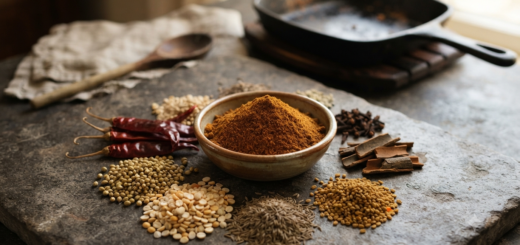
Heat 1 teaspoon coconut oil on a low flame. Add chana dal, urad dal and fenugreek first and roast until the dals turn golden. Then add coriander seeds and red chillies, and roast for another minute until fragrant.
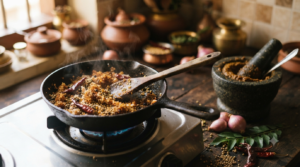
Now add the grated coconut, chopped shallots, curry leaves and hing. Keep stirring for 4 to 6 minutes until the coconut is a deep, even golden brown — not pale, and definitely not black. Cool it completely, then grind to a smooth paste with a little water.
Step 5: Bring it together (10 minutes)
Add the mashed dal to the vegetables and stir well. Next stir in the ground coconut paste along with the salt and enough water to reach a pourable consistency. Simmer on low for 8 to 10 minutes, stirring now and then so the coconut does not catch.
Never let it reach a hard boil after the coconut goes in. High heat splits the paste and leaves a grainy film on the surface.
Step 6: Temper and rest (3 minutes, then 30)
Heat 2 tablespoons coconut oil in a small pan. Splutter the mustard seeds, then add sliced shallots, red chillies and curry leaves. Pour the tempering over the sambar and cover it immediately.
Now leave it alone for 30 minutes before serving. Kerala cooks treat this rest as part of the recipe, because the roasted coconut needs time to release its flavour into the liquid.
Why Kerala Sambar with Coconut Needs the Tamarind Last
Most failed pots go wrong at exactly this step, although almost no recipe explains why. Pectin, the substance that holds vegetable cell walls together, breaks down when heated in neutral or slightly alkaline water. Acid does the opposite and locks it in place.
So a drumstick dropped into tamarind water at the halfway mark will still be woody twenty minutes later. Cook the vegetables soft first, and the tamarind then only adds tang. The same rule explains why tomatoes go in late in most South Indian curries.
Vegetable Timing Chart
| Vegetable | Cut size | Boiling time |
|---|---|---|
| Drumstick | 2-inch batons | 15 minutes |
| Shallots (whole) | Whole, peeled | 15 minutes |
| Carrot | 1-inch chunks | 9 minutes |
| Ash gourd | 1-inch cubes | 9 minutes |
| Pumpkin | 1-inch cubes | 5 minutes |
| Brinjal | Quarters | 5 minutes |
| Okra (if used) | 1-inch pieces | Sauté first, add at the end |
Okra is the one exception worth flagging in Kerala sambar with coconut. Because it turns slimy in water, Kerala cooks fry it separately in a teaspoon of coconut oil and fold it in during the final simmer.
Regional Variations of Kerala Sambar with Coconut
Kerala does not cook one single sambar. Thrissur-style versions grind the coconut very dark and skip tomato entirely, giving the deepest colour and the strongest roasted aroma. Palakkad kitchens, closer to the Tamil border, roast the masala lighter and often add a tomato for extra tang.
North Kerala cooks frequently add garlic to the roasting pan, which is unusual further south. Meanwhile the Onam sadya version keeps the vegetable list strictly seasonal and avoids strong-flavoured additions, so the sambar does not overpower the twenty-odd other dishes on the banana leaf.
For contrast, the neighbouring Tamil approach skips coconut altogether. Our Tamil Nadu sambar without onion and garlic shows how different the same dal-and-tamarind base can taste, while the Udupi temple-style sambar adds jaggery for a sweeter Karnataka profile.
Troubleshooting Kerala Sambar with Coconut: Five Fixes
When this sambar goes wrong, it usually fails in one of five predictable ways.
- It tastes bitter. Too much fenugreek, or the coconut burned. Stay at ¼ teaspoon and pull the pan off the heat while the coconut is still brown, not black.
- It looks grainy or split. The sambar boiled hard after the coconut went in. Simmer only, and add the tempering off the boil.
- The drumstick is still woody. Tamarind went in too early. Follow the staged timing chart above.
- It is too thin. Grind the coconut paste thicker, or simmer uncovered for five extra minutes. Remember that it thickens further as it cools.
- The colour is pale. The coconut was under-roasted. A proper varutharacha masala should smell toasted before you switch off the flame.
Kerala Sambar with Coconut: Nutrition Per Serving
A serving here is more substantial than a powder-based sambar, because of the coconut fat.
| Nutrient | Approx. per serving |
|---|---|
| Calories | 235 kcal |
| Protein | 9 g |
| Carbohydrates | 32 g |
| Fat | 8 g |
| Fibre | 7 g |
These figures are calculated from the ingredient quantities above, divided across six servings, using standard food-composition values. They are estimates rather than a laboratory analysis, so they shift with your vegetable mix and how generously you temper.
One point deserves attention, because several recipe sites publish figures near 130 kcal for this dish. That number cannot be right when a cup of toor dal, three-quarters of a cup of coconut and two tablespoons of coconut oil are in the pot. Coconut fat alone accounts for roughly a third of the calories here.
A dietary note as well: most compounded asafoetida sold in India is bulked with wheat flour, so check the label if you cook gluten-free. Toor dal is a good plant protein source, as the pigeon pea entry on Wikipedia sets out in detail.
Storing and Reheating Kerala Sambar with Coconut
This sambar keeps well, so cook a full pot without worrying. Refrigerate leftovers in an airtight container for up to three days. Reheat gently on the stove with a splash of water, since the coconut thickens the sambar considerably overnight. Avoid the microwave on high, because it separates the coconut fat.
You can freeze portions for up to a month, although the texture loosens slightly on thawing. If you are cooking for a sadya, grind the masala the previous night and refrigerate it. The paste keeps for 24 hours and saves you the messiest step on the day.
What to Serve It With
Hot rice with a spoon of ghee is the standard pairing for Kerala sambar with coconut. It also works beautifully with appam, idli, dosa and puttu, though the thicker consistency suits rice best. On a sadya leaf, sambar traditionally comes with the first serving of rice, before the pulissery and rasam rounds.
Add a simple thoran or a pappadam alongside and you have a full vegetarian meal. The dish itself is entirely plant-based, as the wider sambar tradition across South India generally is. Kerala’s food culture around Onam is documented further on Kerala Tourism.
Before You Start Cooking
Get three things right and Kerala sambar with coconut rarely fails. Roast the coconut to a deep brown rather than a timid gold, add the tamarind only after the vegetables are soft, and skip the packet sambar powder completely. The 30-minute rest at the end matters more than most people expect, so build it into your timing rather than serving straight off the flame.
Start with the vegetable combination of drumstick, ash gourd and pumpkin if you are cooking this for the first time. That trio is forgiving, traditional, and shows off the roasted coconut better than a crowded pan.
Frequently Asked Questions
Is Kerala sambar with coconut the same as varutharacha sambar?
Yes, they are the same dish under two names. Varutharacha translates as roasted and ground, describing the coconut-and-spice paste at the heart of the recipe. Some regions also call it thenga aracha sambar, where thenga simply means coconut.
Can I use desiccated coconut instead of fresh?
You can use it in Kerala sambar with coconut, but soak it in 3 tablespoons of warm water first. Desiccated coconut has already lost most of its oil, so it browns fast and grinds coarse. Fresh or frozen grated coconut gives a noticeably creamier paste.
Do I really need to skip readymade sambar powder?
For an authentic result, yes. The roasted masala already contains coriander, chilli, fenugreek and dals, which are the same spices in the packet. Adding both doubles everything and flattens the coconut flavour you spent ten minutes building.
Can I make this sambar without tamarind?
Substitute 2 tablespoons of lime juice, added off the heat at the very end. The tang will be brighter and less deep, since tamarind brings a fruity, slightly sweet sourness that lime cannot copy. Kokum is a closer match if you have it.
Is this recipe vegan and gluten-free?
Kerala sambar with coconut is naturally vegan, since every ingredient is plant-based and the tempering uses coconut oil. Gluten-free depends on your asafoetida, because most Indian brands add wheat flour as a carrier. Compounded hing labelled gluten-free or plain resin works fine.
Which vegetables are traditional in Kerala sambar with coconut?
Drumstick, ash gourd, pumpkin, brinjal, carrot and raw plantain form the classic set, with whole shallots almost always included. Okra appears often too, although it is sautéed separately first. Avoid watery vegetables like bottle gourd in large quantities, since they dilute the coconut paste.
Why did my sambar turn bitter?
Bitterness comes from one of two places: excess fenugreek in the masala, or coconut roasted past brown into black. Fenugreek is potent, so a quarter teaspoon is the ceiling for this quantity. If the coconut catches, start that step again rather than salvaging it.
How long should the sambar rest before serving?
Thirty minutes covered, off the heat, is the traditional rest for Kerala sambar with coconut. During that window the roasted coconut and spices infuse into the liquid, and the tempering aroma settles through the whole pot. It genuinely tastes better an hour later than it does straight off the stove.