Vadacurry Recipe Leftover Vada: Easy 25-Minute Curry
This Vadacurry Recipe Leftover Vada turns a handful of yesterday’s masala vadai into a warm, spiced South Indian gravy in about 20 minutes. Instead of biting into a hard, day-old fritter, you crumble it into a tangy onion-tomato base and let it drink up the masala. The result tastes like a hotel breakfast side, yet it costs you almost nothing because the vada is already made. Cooks across Tamil Nadu have used this trick for generations, especially after festival frying when a few vadai always survive the batch.
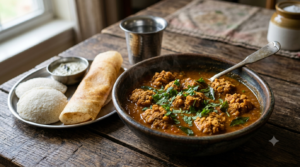
Vadacurry Recipe Leftover Vada simmered from crumbled masala vadai, served hot for breakfast.
Vadacurry Recipe Leftover Vada at a Glance
- Ready in roughly 25 minutes because the vada is already fried.
- Uses 6–7 leftover masala vadai, so nothing goes to waste.
- Pairs with idli, dosa, set dosa, chapati, or plain rice.
- Naturally vegetarian, and easy to make milder for kids.
- Best eaten the same day when you start from leftover vada.
What Makes This Vadacurry Recipe Leftover Vada Special
Vada curry, also called vadakari, is a spiced gravy built around crumbled lentil fritters. This Vadacurry Recipe Leftover Vada skips the long soaking and grinding, since you already have the vadai from an earlier meal. You simply simmer them in a tomato-onion masala until soft. That shortcut is the whole point, because it rescues food that would otherwise turn stale.
The dish comes from Tamil Nadu, where tiffin centres serve it beside soft set dosa. Small stalls in Chennai keep a pot going through the morning rush. Because the vada carries its own spice, the gravy needs less work than most curries. So even a beginner can pull this together before breakfast.
Vadacurry Recipe Leftover Vada: Quick Facts
| Detail | Value |
|---|---|
| Prep time | 10 mins |
| Cook time | 25 mins |
| Total time | 35 mins |
| Servings | 4 |
| Cuisine | South Indian (Tamil Nadu) |
| Difficulty | Easy |
The total time assumes your vadai are already fried. If you still need to make them, add about two hours for soaking and grinding the chana dal first.
Ingredients for Vadacurry Recipe Leftover Vada
Everything here is pantry-friendly, so you rarely need a special trip. Measure the spices before you start, because the tempering moves fast. The quantities below make four modest servings.
For the leftover vada
- 6–7 leftover masala vadai (each about a third of your palm)
For the curry gravy
- 2 tbsp vegetable oil or gingelly (sesame) oil
- 1 tsp mustard seeds
- ½ tsp fennel seeds (sombu)
- A pinch of asafoetida (hing)
- 2 dried red chillies
- 1 sprig curry leaves
- 1 large onion, finely chopped
- 1 tbsp ginger-garlic paste
- 2 medium tomatoes, finely chopped
- ½ tsp turmeric powder
- 1.5 tsp sambar powder
- 1 tsp red chilli powder
- Salt to taste (about 1 tsp)
- ¾–1 cup water
- 2 tbsp fresh coriander leaves, chopped
Fennel and curry leaves give the gravy its hotel-style aroma, so try not to skip them. If you have no sambar powder, mix 1 tsp coriander powder with a little extra chilli and turmeric instead.
How to Make Vadacurry Recipe Leftover Vada Step by Step
Follow these seven steps in order, and keep the flame on medium unless noted. Because the vada is delicate, you add it near the end. Each step lists a rough time so you can plan around your dosa batter.
- Break the vada (2 mins). Crumble each leftover masala vadai into bite-sized chunks by hand. Set them aside, since they go in last.
- Temper the spices (3 mins). Heat the oil in a heavy pan. When it is hot, add mustard seeds and let them splutter. Then add fennel seeds, asafoetida, dried chillies, and curry leaves, and stir until fragrant.
- Sauté the base (5 mins). Add the chopped onion and cook until soft and translucent. Stir in the ginger-garlic paste, and fry for a minute until the raw smell fades.
- Build the masala (5 mins). Add the tomatoes with salt, turmeric, sambar powder, and chilli powder. Cook until the tomatoes break down and the oil starts to separate at the edges.
- Simmer the gravy (10 mins). Pour in ¾ cup water and bring it to a gentle boil. Lower the heat, and let it simmer so the flavours meld and thicken slightly.
- Add the vada (7 mins). Slide in the crumbled vadai and mix gently. Let them soak up the gravy and soften, because that is where the flavour lands.
- Finish and garnish (3 mins). Once the curry reaches a semi-thick consistency, switch off the heat. Scatter chopped coriander on top, and serve hot.
Leftover Vada vs Fresh Vada: Which Should You Use?
Both versions taste wonderful, yet they behave a little differently in the pan. Leftover vadai are firmer, so they hold their shape and rarely fall apart. Fresh vadai are softer and soak up gravy faster, though they can crumble if you stir too hard.
| Factor | Leftover vada | Fresh vada |
|---|---|---|
| Prep effort | Very low | High (soak, grind, fry) |
| Texture in gravy | Firm, holds shape | Soft, absorbs quickly |
| Best eaten | Same day | Within 2 days |
| Waste saved | Yes | None |
When you want a fast breakfast, the leftover route wins easily. If you are cooking for guests, frying a fresh batch gives a softer bite. You can also learn to fry the fritters properly in this home-style vada recipe and keep a few aside for curry.
Food Safety: Storing and Reheating Leftover Vada Curry
Here is the one rule most recipe pages skip. When you build this curry from leftover vada, eat it the same day rather than saving it again. The vadai were already cooked and cooled once, so a second long storage raises the risk of spoilage.
If you made the curry with freshly fried vada, you can refrigerate it in an airtight container for up to two days. Reheat it gently on the stovetop, and add a splash of water because the gravy thickens as it sits. Never leave the curry at room temperature for more than about two hours, especially in warm weather. For general guidance on safe leftovers, India’s food regulator FSSAI is a reliable reference.
Pro Tips Most Vada Curry Guides Miss
These small habits separate a soggy curry from a hotel-style one. Each tip comes from real kitchen trial, not theory. Try one or two the first time, then add the rest.
- Add the vada late. Mix the crumbled vadai in only 10–15 minutes before serving, since they turn mushy if they sit in gravy too long.
- Soften very hard vada. Sprinkle 2–3 tbsp warm water over stiff leftover vadai before adding them, so they loosen quickly.
- Roast the sambar powder. Dry-roast it for a minute before it goes in, because gentle heat deepens the aroma.
- Finish with coconut milk. Stir in 2 tbsp at the end for a richer, milder gravy, a trick common in Tamil Nadu homes.
- Keep pieces chunky. Break the vadai into larger bites, as tiny crumbs dissolve and thin the curry.
Vadacurry Recipe Leftover Vada Variations
Once you know the base, you can bend it to your taste. The gravy is forgiving, so small swaps rarely go wrong. Here are the changes cooks reach for most often.
For a milder pot, cut the chilli and sambar powders roughly in half, and lean on coconut milk to round things out. For a tangier gravy, use tomato puree in place of chopped tomatoes. Some Chennai tiffin centres add a pinch of kal pasi (black stone flower) with the tempering, which gives that unmistakable hotel flavour. You can also make the dish gluten-free by skipping asafoetida or choosing a certified gluten-free brand.
If you have no leftover vadai at all, the from-scratch route still works well. This hotel-style vada curry recipe walks through frying fresh fritters and building the gravy together.
Common Mistakes to Avoid With Vadacurry Recipe Leftover Vada
A few easy slips can turn this dish from great to average. Since the recipe is short, one wrong move shows up quickly. Watch for these before you start.
The most common mistake is adding the vada too early, because long simmering breaks it into paste. Another is under-cooking the tomato base, which leaves a raw, sharp taste in the gravy. Many cooks also over-thin the curry with water, so add it slowly and stop at a semi-thick consistency.
Skipping the fennel and curry leaves is another slip, since it flattens the aroma that makes a good Vadacurry Recipe Leftover Vada taste like a tiffin centre. A few cooks use very old vada that has already turned sour, which no gravy can rescue. Always smell your leftover vadai first, and use them only if they are fresh from the day before. Fix these small things, and the dish turns out right the first time.
What to Serve With Vadacurry Recipe Leftover Vada
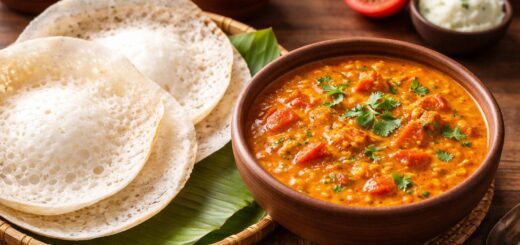
This Vadacurry Recipe Leftover Vada is a side dish, so it shines next to soft breakfast staples. Set dosa is the classic partner because its spongy folds trap the gravy. Idli works just as well, and it soaks up the masala beautifully.
For a heavier meal, spoon the curry over plain steamed rice or fold it into chapati. A South Indian breakfast spread like this foxtail millet pongal also pairs nicely when you want variety. Add a simple coconut chutney on the side, and the plate feels complete.
Vadacurry Recipe Leftover Vada Nutrition Facts
The figures below are approximate, since exact values depend on your vada size and oil use. Treat them as a rough guide rather than a lab reading. One serving assumes the recipe divided into four portions.
| Nutrient | Amount (approx) |
|---|---|
| Calories | 450 kcal |
| Protein | 18 g |
| Fat | 15 g |
| Carbohydrates | 60 g |
| Fibre | 8 g |
| Sodium | 900 mg |
Because the vadai are deep-fried lentil fritters, the protein and fibre run high for a curry. If you want a lighter plate, reduce the oil and serve smaller portions.
The Bottom Line Before You Cook
A good Vadacurry Recipe Leftover Vada proves that yesterday’s food can taste better the next morning. Keep the vada chunky, add it late, and finish with coconut milk if you like a softer gravy.
Eat the leftover-vada version the same day for the best flavour and the safest result. With a hot stack of idli or dosa nearby, this humble rescue dish easily earns a spot in your rotation. For more background on the region’s cooking, this overview of South Indian cuisine gives helpful context.
Frequently Asked Questions
Can I use store-bought vada for this recipe?
Yes, shop-bought masala vada works perfectly. It turns this into an easy leftover-style makeover without any frying. Just crumble the vada and add it near the end, so it does not go soggy.
Is this vada curry very spicy?
The heat is moderate but fully adjustable. Reduce the chilli and sambar powders for a milder pot, or add a splash of coconut milk to soften the spice. Kids usually enjoy the milder version with extra coconut.
What should I serve with this curry?
It pairs best with idli, dosa, and especially set dosa. You can also serve it with chapati or plain rice for a fuller meal. The soft vada chunks and thick gravy suit almost any tiffin staple.
How long does leftover vada curry keep?
When made from leftover vada, eat it the same day for safety and taste. A batch made with freshly fried vada keeps up to two days in the fridge. Reheat gently and add a little water to loosen the gravy.
Why did my vada turn mushy?
Mushy vada usually means it sat in the gravy too long. Add the crumbled pieces only 10–15 minutes before serving. Keeping the chunks larger also helps them hold their shape.
Can I make this vada curry without onion and garlic?
Yes, you can drop both for a no-onion-no-garlic version. Use a little extra ginger and a pinch more asafoetida to keep the gravy flavourful. The tomato and sambar powder still carry plenty of taste.
Can I make the vada fresh instead of using leftovers?
Absolutely, freshly fried masala vadai give a softer, quicker-soaking result. Soak and grind chana dal with spices, fry the fritters, then follow the same gravy steps. Keep a few aside so you always have leftovers for next time.