Instant Pot Bisibelebath: Easy Karnataka One-Pot Recipe
Instant Pot Bisibelebath gives you Karnataka-style bisi bele bath in one pot, with soft rice, creamy toor dal, vegetables, tamarind and a warm spice blend. The key is not extra pressure time. Instead, use enough water, deglaze the pot well, and let the pressure release naturally so the thick rice-and-dal mixture stays safe and smooth.

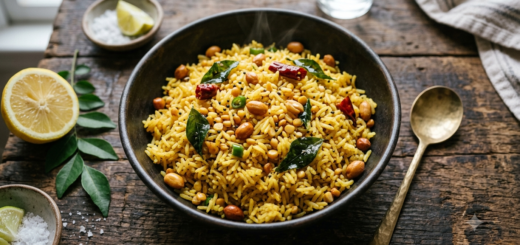
Creamy Karnataka-style bisibelebath served hot after cooking rice, toor dal, vegetables and spices in an electric pressure cooker.
Bisi bele bath is a well-known Karnataka dish built around rice, lentils, vegetables and bisi bele bath powder. Karnataka Tourism also describes it as a popular dish across the state. This version keeps that familiar flavour profile while adapting the method for an electric pressure cooker.
Instant Pot Bisibelebath at a Glance
- Rice: 1 cup sona masoori or another medium-grain white rice.
- Toor dal: 3/4 cup, rinsed well.
- Vegetables: about 2 1/2 cups chopped carrot, beans, peas, potato and capsicum.
- Water: 6 cups for pressure cooking, plus hot water later if needed.
- Pressure time: 8 minutes on High Pressure.
- Pressure release: full natural release until the float valve drops.
- Texture: soft, loose and spoonable while hot because it thickens as it rests.
| Recipe detail | Amount | What it does |
|---|---|---|
| Rice | 1 cup | Forms the soft base |
| Toor dal | 3/4 cup | Adds body and creaminess |
| Mixed vegetables | 2 1/2 cups | Adds flavour and texture |
| Water | 6 cups | Prevents a dry, pasty finish |
| Pressure cook | 8 minutes | Softens rice and dal together |
| Natural release | Until pressure is fully down | Safer for a thick, starchy dish |
How Is Bisi Bele Bath Different From Sambar Rice?
Bisi bele bath is not simply rice mixed with sambar. Its spice blend usually brings coriander, dried chilli, lentils and warming spices such as cinnamon or cloves, so the flavour is deeper and more aromatic. Tamarind adds sourness, while a little jaggery rounds the edges without making the dish sweet.
The finished texture also matters. Instant Pot Bisibelebath should be softer than pulao and looser than khichdi when it first comes out of the pot. Since rice and dal keep absorbing liquid, the mixture should look slightly thinner than you want at serving time.
If you want a more traditional split-method version, cook the rice and dal separately and prepare the vegetable-tamarind masala on the stove. The one-pot method below trades a little texture control for speed and less washing up.
Instant Pot Bisibelebath Ingredients and Ratios
For Instant Pot Bisibelebath, this ratio keeps the pot loose enough to pressure cook while still finishing creamy: 1 cup rice, 3/4 cup toor dal, about 2 1/2 cups vegetables and 6 cups water. That amount gives the rice and dal room to soften without turning the bottom into a thick paste before pressure builds.
Main Ingredients
- 1 cup sona masoori rice, rinsed until the water runs mostly clear
- 3/4 cup toor dal, rinsed well
- 2 1/2 cups mixed vegetables, chopped into small pieces
- 3 tablespoons bisi bele bath powder
- 2 tablespoons tamarind extract
- 1 to 2 teaspoons jaggery, adjusted to taste
- 6 cups water
- 1 medium onion or a few shallots, finely chopped, optional
- 1/2 teaspoon turmeric powder, optional
- Salt to taste
- 2 tablespoons oil or ghee
For the Tempering
- 1 teaspoon mustard seeds
- 1/2 teaspoon cumin seeds
- 1 sprig curry leaves
- A small pinch of asafoetida
- 1 dried red chilli, broken
- 8 to 10 cashews, optional
- 1 tablespoon ghee or oil for a finishing tempering, optional
- 2 tablespoons chopped coriander leaves
Which Vegetables Work Best?
Carrot, French beans, green peas, potato and capsicum all work well because they soften at a similar rate. Cut potato and carrot smaller than the beans, since dense pieces take longer to cook. You can also use pumpkin or pearl onions, but avoid filling the pot with very watery vegetables.
Onion is optional. Some home versions skip onion and garlic, while others use shallots or regular onion. Since this is a flexible household dish, choose the version that fits your family rather than treating one variation as the only authentic method.
How to Make Instant Pot Bisibelebath Step by Step
- Rinse the rice and dal. Wash both until the water looks much clearer, because loose surface starch can make the base stickier.
- Prepare the tamarind. If using whole tamarind, soak a small lemon-sized piece in warm water for about 10 to 15 minutes. Squeeze, strain and measure about 2 tablespoons of the extract.
- Start the tempering. Select Sauté and add oil or ghee. When hot, add mustard seeds, cumin, curry leaves and asafoetida.
- Soften the onion and vegetables. Add onion and cook for about 2 minutes. Then add the mixed vegetables and sauté for another 1 to 2 minutes.
- Add the flavour base. Stir in bisi bele bath powder, turmeric, tamarind extract, jaggery and salt. Keep the mixture moving so the spice powder does not scorch.
- Add rice, dal and water. Pour in the rinsed rice, dal and 6 cups water. Scrape the bottom thoroughly, because even a small stuck patch can trigger a burn notice.
- Pressure cook. Cancel Sauté, lock the lid and cook on High Pressure for 8 minutes. Leave enough empty space in the cooker and never exceed your model’s fill line.
- Let pressure release naturally. Do not force a quick release. Wait until the float valve drops fully, then open the lid away from your face.
- Adjust the consistency. Stir well. If the mixture is too thick, add 1/2 to 1 cup hot water and simmer on Sauté for 2 to 3 minutes.
- Finish and serve. Add coriander and, if you like, a fresh ghee tempering with mustard, curry leaves, red chilli and cashews.
Why Does Instant Pot Bisibelebath Need a Natural Pressure Release?
Instant Pot advises against quick release for thick, high-starch foods and foods that expand during cooking, including grains. Instant Pot Bisibelebath contains both rice and lentils, so a full natural release is the safer choice. Wait until all pressure has dropped before you open the lid.
You can read the manufacturer’s current steam-release guidance on the Instant Pot FAQ page. Model controls vary, so use your own manual for button names and maximum-fill rules.
How to Get the Right Instant Pot Bisibelebath Texture
The most common problem is serving the dish at the wrong consistency. It should flow slowly from a ladle while hot, because it thickens noticeably within 10 to 20 minutes. If it already looks stiff inside the pot, it will become much denser on the plate.
Use hot water for adjustments after pressure cooking. Cold water drops the temperature and can make the texture feel uneven, while hot water blends in quickly. Add 1/2 cup first, stir, then add more only if needed.
Balance Tamarind, Jaggery and Spice
Tamarind strength varies by brand and batch, so exact sourness is hard to lock with one spoon measure. Start with 2 tablespoons of prepared extract, then taste after pressure cooking. If it needs more tang, add a small splash and simmer for 2 minutes.
Keep jaggery restrained because bisi bele bath should not taste sugary. One to two teaspoons is enough for most batches of this size. The jaggery should soften the tamarind, not announce itself as a separate flavour.
Why Instant Pot Bisibelebath Gets a Burn Warning
A burn warning usually comes from scorched spice paste or a thick layer stuck to the base before pressure starts. It can also happen if the recipe is scaled up without enough thin liquid. Since rice and dal absorb water fast, the pot needs a clean bottom and enough free liquid.
| Problem | Likely cause | Best fix |
|---|---|---|
| Burn notice before pressure | Spices stuck after Sauté | Cancel, scrape the base clean, then add water |
| Very thick after opening | Rice and dal absorbed most liquid | Add 1/2 to 1 cup hot water and simmer |
| Dal still grainy | Old dal or weak pressure seal | Check the seal and cook a few more minutes |
| Too sour | Strong tamarind extract | Add hot water and a small pinch of jaggery |
| Too sweet | Too much jaggery | Add tamarind gradually and simmer |
| Flavour tastes flat | Weak masala or too much water | Add a little powder and simmer briefly |
What to Do if Instant Pot Bisibelebath Shows a Burn Warning
Cancel the program first, then release pressure only according to your model’s safety instructions. Once it is safe to open, move the food away from the base and check for a scorched layer. Do not scrape blackened food back into the dish, because it can make the whole batch bitter.
Clean the inner pot, return the unburned mixture, and add enough hot water to loosen it. Then restart pressure cooking only if the rice and dal still need more time. If they are already soft, use Sauté instead and finish the dish without another pressure cycle.
Bisi Bele Bath Powder, Substitutions and Dietary Notes
Instant Pot Bisibelebath tastes best with actual bisi bele bath powder because its warm spices differ from ordinary sambar powder. A mix of sambar powder and garam masala can taste muddy, so the old shortcut is not the best substitute. If possible, use a labelled bisi bele bath blend or make a small fresh batch.
If you prefer a packaged shortcut, Bhimas Cook also has a separate bisi bele bath with MTR paste method. That page targets the paste-style shortcut, while this page keeps the Instant Pot method as the main intent.
For a vegan version, use oil instead of ghee and skip the cashews if needed. Rice, dal and vegetables are naturally gluten-free, but some asafoetida powders and packaged masalas may contain wheat. Check the ingredient label if gluten avoidance matters in your household.
Instant Pot Versus Rice Cooker and Stovetop Methods
The Instant Pot is best when you want one-pot convenience and a softer, more blended texture. A rice cooker gives gentler heat but usually needs separate vegetable or masala handling. A stovetop pressure cooker offers the most direct control if you already know your cooker well.
| Method | Best for | Main trade-off |
|---|---|---|
| Instant Pot | One-pot weeknight cooking | Vegetables become softer |
| Rice cooker | Hands-off rice cooking | Masala may need a separate pan |
| Stovetop pressure cooker | Fast traditional pressure cooking | Whistle timing varies by cooker |
If you prefer that gentler route, use the Bisi Bele Bath rice cooker recipe. The two pages now serve different cooking intents, so they should not be merged.
Serving, Storing and Reheating Instant Pot Bisibelebath
Serve Instant Pot Bisibelebath hot with boondi, papad, potato chips or a simple raita. Karnataka Tourism notes that the dish is commonly served hot and often paired with crisp sides such as boondi. A spoon of ghee on top also carries the spice aroma well.
For cultural background, see Karnataka Tourism’s South Karnataka food trail. It identifies bisi bele bath as a comforting rice, lentil and vegetable dish from the region.
Cool leftovers promptly, then refrigerate them in a covered container. Reheat only the portion you need, adding a splash of hot water because the rice will tighten in the fridge. For best texture, use leftovers within about two days.
Common Bisi Bele Bath Mistakes to Avoid
- Using too little water: the pot struggles to build pressure and the base may scorch.
- Adding too much jaggery: the dish turns sweet instead of balanced.
- Quick-releasing a thick grain dish: this goes against current Instant Pot safety guidance.
- Skipping the deglaze step: browned spice paste can trigger the burn sensor.
- Serving it too thick: it will become even firmer as it cools.
- Using garam masala as a direct replacement: the flavour moves away from bisi bele bath.
- Overfilling the pot: rice and lentils expand, so follow your model’s fill limits.
Instant Pot Bisibelebath: The Bottom Line
For a reliable one-pot batch, keep the ratio simple: 1 cup rice, 3/4 cup toor dal, 2 1/2 cups vegetables and 6 cups water. Pressure cook for 8 minutes, then let the cooker depressurise naturally. Finish with hot water, tamarind, salt or jaggery only after you taste the cooked dish.
This method keeps the original page’s useful one-pot idea but fixes its biggest weak points. The pressure-release step is safer, the jaggery level is more restrained, and the troubleshooting now explains what to do when the pot burns, thickens or tastes unbalanced.
Frequently Asked Questions
Can I Make Instant Pot Bisibelebath Without Soaking Rice and Dal?
Yes. Rinsed rice and toor dal can cook without soaking when you use the 8-minute High Pressure method and a full natural release. Older toor dal can take longer, so a short soak may help if your dal often stays grainy.
How Much Water Should I Use?
Use 6 cups water for 1 cup rice and 3/4 cup toor dal in this recipe. After cooking, add another 1/2 to 1 cup hot water if you want a looser texture, because the mixture thickens quickly as it rests.
Can I Quick-Release the Pressure?
A full natural release is the safer choice because bisi bele bath is thick and high in starch. Instant Pot advises against quick release for thick, starchy foods and grains, so wait until the float valve drops before opening the lid.
Why Is My Bisi Bele Bath Too Thick?
Rice and dal continue absorbing water after pressure cooking, so the dish naturally gets thicker. Stir in 1/2 cup hot water, simmer for 2 minutes, then add more only if needed. Stop while it is still slightly looser than your ideal serving texture.
Can I Use Sambar Powder Instead?
You can use it in an emergency, but the flavour will not be the same. Bisi bele bath powder usually includes a broader roasted-spice profile, so a dedicated blend gives a cleaner result. Avoid relying on garam masala as a direct replacement.
Is Onion Required?
No. Many home versions skip onion, while others use shallots or regular onion. The dish varies across households, so you can leave onion out without changing the basic rice, dal, tamarind and spice structure.
Can I Make Instant Pot Bisibelebath Vegan?
Yes. Use a neutral oil instead of ghee and skip any dairy-based side dish. The rice, toor dal, vegetables, tamarind and spice powder can all fit a vegan version when the packaged ingredients are also dairy-free.
Is This Recipe Gluten-Free?
The core ingredients are naturally gluten-free, but packaged hing and spice blends can contain wheat or other additives. Check every label if you need strict gluten avoidance. Do not assume a commercial masala is gluten-free without reading its ingredient list.
How Should I Reheat Leftovers?
Add a small splash of hot water before reheating, because chilled rice and dal become dense. Warm it gently on the stove or with Sauté, stir often, and add more water only as needed. Finish with fresh coriander or a small tempering if you want brighter flavour.