Easy Bisi Bele Bath: Quick Karnataka Home Recipe Steps
Easy bisi bele bath brings soft rice, toor dal, vegetables and Karnataka-style masala together without making a separate spice powder. This suggested pressure-cooker method cooks the rice and dal before adding the tamarind gravy. The aim is a warm, spoonable meal with a balance of spice, tang and a little sweetness.
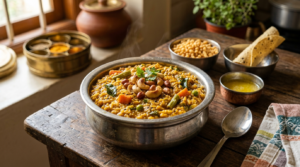
Illustrative image of Karnataka-style bisi bele bath with rice, lentils and vegetables. This is not a photograph of a documented kitchen-tested batch.
Recipe status: UNTESTED. This complete recipe has not been validated in a documented kitchen trial. The ingredient amounts, water ratio, cooking sequence, final flavour and texture, preparation time, cooking time and serving yield are all proposed directions or estimates, not measured results.
Follow your cooker manufacturer’s safety instructions, check that the food cooks through, and adjust water and seasoning gradually. Do not treat any time or serving figure as guaranteed.
Image disclosure: The featured food image is illustrative. It has not been verified as a photograph of a documented test batch of this recipe.
Bisi bele bath is a Karnataka rice-and-lentil dish with its own seasoning blend. The aim is not separate grains like pulao. Instead, the base should stay soft and slightly flowing because it thickens as it cools. For a wider look at Karnataka’s food culture, visit the official Karnataka Tourism website.
Easy Bisi Bele Bath Recipe at a Glance
The ingredient quantities below use 1 cup of raw rice and 1/2 cup of toor dal. They can make an estimated four moderate bowls, or about three larger portions. However, the finished yield changes with vegetables, water and your serving bowl, so this count needs a real kitchen measurement.
- Estimated prep time: 15–20 minutes, including rinsing, chopping and optional short soaking.
- Estimated cooking time: 40–55 minutes, including natural pressure release and overlapping vegetable preparation.
- Estimated total elapsed time: 55–75 minutes; not yet timed in a test kitchen.
- Estimated yield: 4 moderate portions or around 3 generous ones; not measured or weighed.
- Base ratio: 1 cup uncooked rice to 1/2 cup uncooked toor dal.
- Texture: creamy, tender and loose enough to spread slowly from a spoon.
A packaged spice blend saves the roasting and grinding stage. It does not guarantee a 50-minute meal, since cooking and pressure-release times vary. Keep hot water nearby for the final texture adjustment.
Ingredients for Easy Bisi Bele Bath
For this easy bisi bele bath, measure the grains and dal before cooking. Start with modest amounts of tamarind and spice because both become stronger after simmering. The quantities are a working recipe formula, while the time and portion estimates still need testing.
| Ingredient | Amount | Purpose |
|---|---|---|
| Sona masuri rice | 1 cup, uncooked | Soft rice base |
| Toor dal | 1/2 cup, uncooked | Creamy lentil body |
| Mixed vegetables | 1 1/2 cups, chopped | Carrot, beans, peas, potato |
| Onion | 1 small, optional | Extra sweetness |
| Tomato | 1 small | Fresh savoury flavour |
| Bisi bele bath masala | 2 to 3 tbsp | Distinct spice blend |
| Thick tamarind extract | 1 1/2 to 2 tbsp | Sourness |
| Jaggery | 1 to 2 tsp | Balances sourness |
| Turmeric | 1/4 tsp | Colour and warmth |
| Salt | Start with 1 tsp | Adjust after simmering |
| Water | About 5 cups to start | Cooking and thinning as needed |
For the final tempering
- 2 tbsp ghee, divided between vegetables and tempering; use oil if preferred.
- 1 tsp mustard seeds and 8 to 10 curry leaves.
- 2 dried red chillies and a small pinch of asafoetida.
- 2 tbsp cashews or peanuts, optional.
For a homemade blend, follow the site’s bisibelebath powder method. MTR Foods also lists Bisibele Bhath Masala in its official masala range. Check the directions on your pack, since different blends vary in salt and chilli.
How to Make Easy Bisi Bele Bath Step by Step
Method note — not kitchen-tested: The steps below describe a suggested approach for easy bisi bele bath, not an observed successful test batch. No trial has confirmed this exact combination of water quantity, cooker settings, spice level and cooking sequence. Check softness, taste and consistency at each stage instead of assuming the stated method will produce identical results in every kitchen.
Cook the rice and dal until both mash easily, then add them to the cooked vegetables and spiced tamarind. This two-pan approach is intended to help you control the final thickness. It also lets you prepare vegetables while the cooker runs, which matters when estimating total time.
- Rinse and prepare. Wash the rice and toor dal until the water becomes mostly clear. If convenient, soak them for 10–15 minutes while chopping the vegetables. Drain before cooking.
- Cook the rice and dal. Put both into the pressure cooker with turmeric and about 4 cups of water. Follow your cooker’s water limits and operating instructions. Cook until the rice is very soft and the dal mashes without hard grains. Let pressure fall naturally before opening.
- Soften the vegetables. Heat about 1 tbsp ghee in a deep pan. Cook the optional onion briefly, then add the carrot, beans, peas, potato and tomato. Add a little salt and water, then cover until the vegetables turn tender.
Cook the masala and finish the pot
- Prepare the masala. Stir in 2 tbsp bisi bele bath masala, the smaller amount of tamarind and 1 tsp jaggery. Add around 1/2 cup hot water, then simmer for 3–4 minutes. Taste before adding more spice.
- Combine and adjust. Lightly mash the rice-dal base and mix it into the vegetable pan. Add hot water in small amounts until the mixture flows slowly. Simmer on low heat for 5–7 minutes, stirring near the base of the pan.
- Taste and temper. Check salt, tang and sweetness. In a small pan, heat the remaining ghee. Crackle mustard seeds, then add curry leaves, dried chillies, asafoetida and optional nuts. Pour over the dish and serve hot.
Do not treat a whistle count as a fixed cooking time. Stovetop cookers, heat settings, dal age and batch sizes differ. If the dal is still firm, cook it further according to your cooker’s instructions before adding the tamarind.
Easy Bisi Bele Bath Cooking Time: Untested Breakdown
The earlier 50-minute total was not supported by a documented timed trial. This revised plan for easy bisi bele bath uses estimated stages instead. Some tasks overlap, so the stage times should not all be added together. A first-time cook should allow around 55–75 minutes overall and judge doneness by texture.
| Stage | Estimated time | Timing note |
|---|---|---|
| Wash, soak, chop | 15–20 minutes | Soaking and chopping overlap |
| Pressure cook and release | 25–40 minutes | Allow natural pressure release |
| Vegetables and masala | 12–18 minutes | Can overlap cooker time |
| Final simmer and tempering | 8–12 minutes | After the cooked base is ready |
These are planning estimates, not measured timings. A faster cooker or a prepared vegetable mix may save time. However, a slow pressure release or firm dal may extend the meal well beyond the range. Finish when the rice and dal are soft, not when a timer expires.
For a reliable published cook time, time one complete batch from switching on the heat until serving. Record the cooker model, natural-release duration and any steps done at the same time. Then update the recipe card using those real results.
How Many Servings Does Easy Bisi Bele Bath Make?
Four moderate servings is an untested yield estimate for this easy bisi bele bath ingredient list. The estimate rests on 1 cup raw rice, 1/2 cup raw dal and 1 1/2 cups vegetables. It does not come from weighing the final pot or filling a set of measured bowls.
Allow roughly three portions if you serve large main-meal bowls, or four with papad and another side. Because you may add extra hot water, final volume is not a reliable fixed figure. Do not advertise four generous portions as a guaranteed result.
To confirm the yield, measure the finished food in a jug or weigh it after cooking. Divide it into four equal bowls and record the quantity per bowl. Keep the amount of finishing water consistent if you repeat the trial.
Why Cooking Order Makes a Difference
Rice and toor dal should soften before the sour tamarind enters the mix. When an acidic gravy goes in too early, lentils may remain firmer than expected. Separating the pressure-cooked base from the vegetable masala also gives you a chance to correct each before mixing.
Simmering the masala briefly removes a harsh, uncooked spice edge. After the rice joins it, keep the heat gentle because the thick grains can stick to the bottom. Add water in small steps rather than pouring in a large amount at once.
The pan should look slightly looser than your ideal serving texture. Rice and dal continue taking up water while they rest. A small kettle of hot water makes the last adjustment easier.
Easy Bisi Bele Bath Texture Troubleshooting
A soft, flowing texture matters as much as the seasoning. Check the texture before adding more spice because a very thick mixture can taste overly concentrated. These fixes also help when the cooker or vegetables behave differently from your estimate.
| Problem | Likely cause | What to do |
|---|---|---|
| Too thick | Rice absorbed liquid | Add hot water 1/4 cup at a time |
| Too thin | Excess finishing water | Simmer uncovered, stirring often |
| Grainy dal | Dal not tender | Cook further until it mashes easily |
| Too sour | Strong tamarind | Add more plain rice-dal base if available |
| Too spicy | Concentrated masala | Dilute with cooked base and some water |
| Flat flavour | Needs seasoning | Adjust salt, then sourness gradually |
If the vegetables are hard but the rice is cooked, simmer the vegetables separately a little longer. Avoid extending the entire pot’s cooking time until the rice turns gluey.
Packet Masala or Homemade Powder?
Packaged masala is the practical shortcut for easy bisi bele bath because roasting and grinding take additional time. Homemade powder lets you tune the chilli heat, coriander aroma and whole spices. Neither option changes the need for fully soft rice and dal.
Begin with 2 tbsp of packaged powder, then taste after the tamarind and rice have mixed. Add more only if the flavour needs it. For a version using a particular brand, see the site’s MTR powder recipe.
Variations That Keep the Dish Familiar
You can change the vegetables, omit onion or replace ghee with oil. However, keep the rice, dal, tamarind and specialised masala combination if you want the recognisable flavour. Several large substitutions at once may make the dish taste more like sambar rice.
Without onion
Skip onion and let carrots, peas and a little jaggery supply sweetness. The tempering still carries plenty of flavour. For an entire method around that choice, use the site’s bisi bele bath without onion recipe.
With cooked rice
Already-cooked plain rice can shorten preparation, but you still need very soft dal. Make the vegetable masala separately, add cooked rice near the end and adjust water while it simmers. This variation has a different timing pattern, so the estimates above do not apply.
Without ghee
Use neutral oil or coconut oil instead of ghee for a dairy-free version. Check the masala label if you avoid specific ingredients. Add the tempering at the end because hot mustard, curry leaves and chillies bring much of the aroma.
Serving, Storage and Reheating
Serve bisi bele bath hot with papad, boondi, chips or a little cucumber raita. The crisp side contrasts with the soft rice-and-dal base. If the pot has thickened while you set the table, loosen it with hot water before serving.
Move leftovers into shallow containers and refrigerate promptly. FoodSafety.gov says to refrigerate perishable leftovers within two hours, or within one hour above 32°C. It gives three to four days as a general refrigerated-leftovers limit. Cooked rice deserves careful, prompt chilling, so do not leave the pot standing overnight.
Only reheat the amount you need. Stir in a splash of water, then heat thoroughly to at least 74°C throughout. If the food sat unrefrigerated beyond the recommended limit, discard it rather than trying to make it safe by reheating.
Mistakes Worth Avoiding
- Trusting a fixed whistle count: test whether the dal is truly soft after safe pressure release.
- Adding tamarind before the dal cooks: leave acidic ingredients for the gravy stage.
- Starting too dry: add enough hot water for a spoonable finish.
- Using the full masala amount immediately: add seasoning in stages and taste.
- Overcooking vegetables: they should be tender but still recognisable.
- Presenting estimates as tested facts: record actual time and portion weights before making firm claims.
Before You Cook
This untested recipe aims for a familiar flavour with a pressure-cooker base and ready-made masala. The most useful checks for easy bisi bele bath are simple: soft dal, tender vegetables and a mixture that stays slightly loose. Taste the complete pot before serving, since tamarind and packaged masala vary.
Plan for more than the old 50-minute promise if you have never made this version. The cooking-time and yield numbers remain estimates until someone times a full batch and measures the finished servings. That distinction gives home cooks a more reliable starting point.
Frequently Asked Questions
What is bisi bele bath?
Bisi bele bath is a Karnataka dish combining cooked rice, lentils, vegetables, tamarind and a dedicated spice blend. It has a soft, cohesive texture and usually gets a final tempering. Unlike dry rice dishes, it should stay moist when served.
How long does easy bisi bele bath take?
Allow an estimated 55–75 minutes for this particular method. That includes preparation, pressure cooking, natural release and finishing, with some steps running together. This is an untested planning estimate, not a kitchen-tested cooking time.
How many people does this recipe serve?
The ingredient list may give four moderate servings or about three larger ones. This remains an untested estimate because the finished volume and bowl weights have not been measured. Record actual bowl sizes during a recipe trial before making a firm yield claim.
What rice-to-dal ratio should I use?
Start with 1 cup uncooked rice and 1/2 cup uncooked toor dal. This balance produces a substantial rice base with creamy lentil body. If you increase the dal, add water as needed to maintain the same spoonable texture.
Can rice and dal go into the same pressure cooker?
Yes, both can cook together when you want them very soft. Add enough water and follow the cooker’s own instructions. Check the dal after natural pressure release because different cookers and lentils need different times.
Why does my bisi bele bath turn thick after cooking?
Rice and lentils keep absorbing liquid while the dish stands. Leave the mixture slightly loose before switching off the heat, then stir in hot water as needed. Make small additions so the flavour does not become weak.
Can I make bisi bele bath without onion or garlic?
Yes, both can be left out. Use the vegetables, masala and tempering for the main flavour. A little jaggery can round out the tamarind without making the dish noticeably sweet.
Is bisi bele bath the same as sambar rice?
No, although they share rice, lentils and some South Indian ingredients. Bisi bele bath has its own masala blend and usually a thicker, more unified texture. Sambar rice starts from a sambar-style gravy.
Can I use leftover cooked rice?
Yes, provided it was cooled and stored safely. Cook the dal until very soft, prepare the vegetables and masala, then add the rice late in the process. The timings above do not cover this variation, so treat it as a separate method.