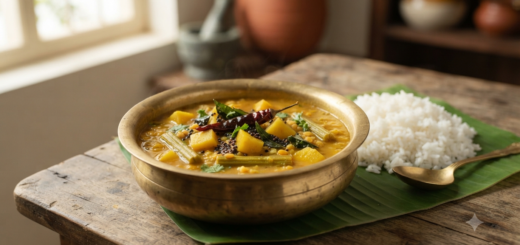
Garlic Pepper Rasam Without Tomato Best Easy Recipe
Garlic Pepper Rasam Without Tomato is the bowl South Indian families reach for when the weather turns cold, when a heavy meal needs settling, or when the fridge is simply out of tomatoes. This version leans on garlic, freshly cracked black pepper and tamarind for its punch, so it tastes deep and warming without a single tomato in the pot. Because there is no tomato to cook down, it comes together in about 25 minutes from start to bowl.
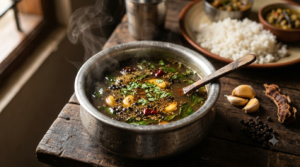
A steaming bowl of Garlic Pepper Rasam Without Tomato, garnished with fresh coriander.
What you get is a thin, peppery soup that clings to steamed rice and clears a stuffy nose in the same spoonful. Below you will find the exact quantities, the step-by-step method, the mistakes that turn rasam bitter, and honest answers to the questions people ask most.
Garlic Pepper Rasam Without Tomato at a Glance
Here is the short version before we get into detail. Keep this list handy while you cook.
- What it is: a tomato-free South Indian rasam built on garlic, black pepper and tamarind.
- Time: about 10 minutes prep and 15 minutes cooking, so roughly 25 minutes total.
- Serves: 4 bowls, or 4 to 6 servings when mixed with rice.
- Tastes like: peppery, garlicky and mildly sour, with a clean tamarind tang instead of tomato sweetness.
- Best for: chilly evenings, a light dinner, or the day after a rich feast when your stomach wants a rest.
- Skill level: easy, and forgiving enough for a first-time cook.
What Makes Garlic Pepper Rasam Without Tomato Different
Most rasam recipes start by simmering tomatoes for sourness and body. This one skips that step entirely. Tamarind does the sour work instead, while garlic and pepper carry the flavour, so the soup stays thin, sharp and quick.
The no-tomato route matters for a few real reasons. Some people find tomato too acidic on an upset stomach, and others simply run out of it. Garlic Pepper Rasam Without Tomato solves both problems, since tamarind gives you all the tang you need. The result is closer to the old milagu-poondu style that grandmothers made long before tomatoes were common in Indian kitchens.
Flavour-wise, dropping the tomato lets the pepper and garlic stand out. Tomato rasam tastes rounder and slightly sweet. This version tastes leaner and hotter, which is exactly why it works so well when you are fighting a cold or want something bracing.
Ingredients for Garlic Pepper Rasam Without Tomato
Everything here is a pantry staple, so you rarely need a special trip to the shop. The quantities below make four generous bowls.
- Water — 1.2 litres (about 5 cups)
- Tamarind paste — 1 tbsp, soaked and strained
- Garlic cloves — 12 medium, peeled
- Black peppercorns — 2 tsp, whole
- Cumin seeds — 1 tsp
- Dried red chillies — 2 (optional, for extra heat)
- Turmeric powder — ½ tsp
- Salt — 1 tsp, or to taste
- Oil — 1 tbsp (neutral oil, or sesame oil for a more authentic note)
- Mustard seeds — ½ tsp
- Curry leaves — 1 sprig
- Asafoetida (hing) — a pinch
- Fresh coriander leaves — 2 tbsp, chopped, to garnish
The recipe card below sums up the timing so you can plan around it.
| Detail | Value |
|---|---|
| Prep time | 10 minutes |
| Cook time | 15 minutes |
| Total time | 25 minutes |
| Servings | 4 bowls |
| Difficulty | Easy |
How to Make Garlic Pepper Rasam Without Tomato
The method is short because there is no tomato to break down. Work through the six steps in order, and keep the heat gentle once the tamarind goes in.
Step 1: Prepare the tamarind extract
Soak 1 tablespoon of tamarind in about ¼ cup of warm water for five minutes. Mash it with your fingers, then strain to collect the juice. Set the extract aside and discard the fibres.
Step 2: Crush the spices
Coarsely crush the black peppercorns, cumin seeds and dried red chillies with a mortar and pestle. Keep the crush rough rather than powder-fine, because a coarse crush releases oils in bursts as you eat. This single move gives homemade rasam its aroma.
Step 3: Heat the tempering base
Warm 1 tablespoon of oil in a heavy saucepan over medium heat. Add the mustard seeds and wait until they pop. Then stir in the curry leaves and a pinch of asafoetida, and fry for a few seconds until fragrant.
Step 4: Add the garlic
Tip in the peeled garlic cloves and sauté for one to two minutes. Let them turn just golden, since scorched garlic turns bitter. This gentle frying brings out a mellow, sweet note that balances the pepper.
Step 5: Build the rasam
Pour in the tamarind extract and the remaining water. Add the turmeric, salt and your crushed spice mix, then bring it to a gentle boil. Lower the heat and simmer for six to eight minutes, so the garlic softens and the flavours settle.
Step 6: Finish and serve
Switch off the heat as soon as the rasam froths at the edges. Scatter the chopped coriander over the top while it is still hot. Serve straight away with steamed rice, or sip it warm from a cup as a soup.
Pro Tips for Garlic Pepper Rasam Without Tomato
Rasam is simple, yet a couple of small habits separate a flat batch from a fragrant one. These are the details experienced cooks rarely write down.
- Never let it boil hard after the tamarind goes in. A rolling boil turns rasam bitter, so keep it at a gentle simmer and switch off early.
- Crush the pepper fresh. Freshly cracked peppercorns smell far richer than the pre-ground kind, because the oils escape the moment you crush them.
- Do not grind the garlic to a paste. A rough crush or whole cloves keep the flavour sweet, while a fine paste can turn the smell sharp and overpowering.
- Hold back a little spice mix. Some Tamil Nadu homes add part of the crushed pepper right at the end, which lifts the aroma just before serving.
- Balance with jaggery if you like. A tiny piece of jaggery stirred in at the end softens the edges, although this is optional and down to taste.
What to Serve With It
Garlic Pepper Rasam Without Tomato is happiest over a mound of hot steamed rice with a spoon of ghee. The ghee rounds off the pepper, so the two are a classic pairing across South India.
For a fuller plate, add a dry vegetable stir-fry such as potato, beans or brinjal poriyal. A crisp papad or appalam on the side gives you crunch against the thin soup. When you are unwell, though, skip the extras and drink it plain and warm, which is how many families serve it during a cold.
Easy Garlic Pepper Rasam Without Tomato Variations
Once you know the base, you can bend Garlic Pepper Rasam Without Tomato to suit your kitchen. Each of these stays true to the tomato-free idea.
- Jeera pepper rasam: double the cumin for an earthier, gentler heat if raw pepper feels too strong.
- Dal rasam: stir in half a cup of cooked, mashed toor dal for a thicker, more filling bowl.
- Garlic-in-skin style: crush unpeeled garlic cloves for a rustic, smokier flavour that some regions prefer.
- Milder version: cut the pepper to 1 teaspoon and drop the red chillies, which suits children and older family members.
- Rasam-powder shortcut: add 1 teaspoon of ready rasam powder along with the fresh crush when you are short on time.
If you specifically want a cold remedy, our pepper rasam for cold and cough pushes the pepper further. For a broader primer, the black pepper rasam guide is a good next read.
Substitutions and Storage
Missing an ingredient is not a reason to stop. A few swaps keep the recipe on track.
- No tamarind? Stir in 1 tablespoon of lemon juice at the very end instead. Add it off the heat, because boiling lemon juice turns it bitter.
- No curry leaves? A single bay leaf in the tempering gives a different but pleasant aroma.
- Vegan and dairy-free? The recipe already is, as long as you use oil rather than ghee.
To store it, cool the rasam fully and keep it in an airtight container in the fridge for up to three days. Reheat gently on the stove rather than at a hard boil. Rasam thickens as it sits, so add a splash of water while warming and taste for salt again. If you understand how the base spices work, you may also like our note on the difference between rasam powder and sambar powder.
Nutrition Information Per Serving
These figures are an approximate guide per bowl, not a lab measurement, since exact numbers shift with your tamarind, oil and salt. Garlic Pepper Rasam Without Tomato is naturally light, because most of the bowl is spiced, tamarind-flavoured water.
| Nutrient | Approx. per serving |
|---|---|
| Calories | ~50 kcal |
| Protein | ~1 g |
| Carbohydrates | ~8 g |
| Fat | ~1.2 g |
| Fibre | ~1.7 g |
| Sodium | ~400 mg |
As the table shows, a bowl sits around 50 kilocalories, so it fits easily into a light meal. The sodium depends heavily on how much salt you add, so adjust it if you are watching your intake.
Is It Really Good for Colds? The Tradition Behind It
In many South Indian homes this rasam is the first thing served during a cold, a cough or a heavy, sluggish stomach. That reputation is old and genuine, and it explains why the dish survives. Black pepper and garlic have long been used in Indian kitchens as warming, digestion-friendly spices.
There is some science interest here too. Reviews of black pepper and its compound piperine describe antioxidant and anti-inflammatory activity, and wider research on traditional rasam spices notes their long culinary and medicinal use. Still, that is a world away from a proven cure.
So treat this as comfort food rooted in tradition, not as medicine. A warm bowl can soothe and hydrate you while you recover, yet it does not replace proper care. If you have a high fever, a lingering cough, or any ongoing health condition, see a doctor, because rasam belongs beside real treatment and never in place of it.
Garlic Pepper Rasam Without Tomato: Final Takeaways
Garlic Pepper Rasam Without Tomato earns its place because it is fast, forgiving and built entirely from staples. Keep the pepper freshly crushed, keep the garlic just golden, and never let the pot boil hard once the tamarind is in. Do that, and you get a bright, warming bowl in under half an hour. Serve it over rice with a little ghee, and it turns a plain meal into something comforting.
FAQs About Garlic Pepper Rasam Without Tomato
Can I make this rasam without tamarind?
Yes. Add 1 tablespoon of lemon juice at the end instead, off the heat. Tamarind gives a deeper, rounder sourness, but lemon works well when you have none in the house.
Why does this recipe skip tomato?
Tamarind supplies all the sourness the rasam needs, so tomato is not required. Leaving it out keeps the soup thinner and lighter, and it suits anyone who finds tomato too acidic.
Is Garlic Pepper Rasam Without Tomato good for a cold?
Traditionally it is served during colds for warmth and comfort, since pepper and garlic are considered warming spices. It can soothe and hydrate you, but it is comfort food and not a medical treatment. See a doctor for a serious or lasting illness.
How do I make the flavour stronger?
Crush the pepper and cumin fresh just before cooking, and add part of the spice mix near the end. A quick dry-roast of the peppercorns before crushing deepens the aroma further.
Why did my rasam turn bitter?
Bitterness almost always comes from boiling it too hard after adding tamarind, or from burnt garlic. Keep the simmer gentle and switch off early, and take the garlic only to golden, not brown.
Can I store and reheat it?
Yes. Cool it fully, then refrigerate in an airtight container for up to three days. Reheat gently and add a splash of water, because the rasam thickens as it stands.
Is this recipe vegan?
It is vegan as written, as long as you temper with oil rather than ghee. Sesame oil keeps it plant-based while adding an authentic South Indian character.
How spicy is it, and can I make it milder?
As written it is moderately hot from the pepper. For a milder bowl, drop the pepper to 1 teaspoon and leave out the dried red chillies, which makes it gentle enough for children.