Idli Sambar Recipe Moong | Best Easy Moong Dal Sambar
Idli Sambar Recipe Moong – Easy Cooking With Moong Dal
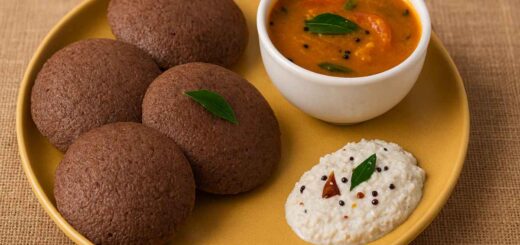
Idli Sambar Recipe Moong is a home-style Indian staple that pairs soft steamed idlis with a protein-rich moong dal sambar. This version uses moong dal as the primary lentil for a light, digestible, and flavourful stew that complements idli beautifully. This recipe brings authentic South Indian taste right into your kitchen with simple steps and wholesome ingredients. You’ll learn precise timings, how to make the sambar step by step, and chef-tested tips for a perfect result every time.
Recipe Card
| Prep Time | 15 mins |
|---|---|
| Cook Time | 30 mins |
| Servings | 4 servings |
| Difficulty | Easy |
Ingredients List With Exact Quantities
For Moong Dal Sambar
- Moong dal (yellow split) – 1/2 cup (approx. 100 g, rinsed)
- Tamarind – small lemon-sized ball or 1 tbsp tamarind paste
- Tomato – 1 medium, finely chopped
- Onion – 1 medium, finely chopped
- Green chillies – 1–2, slit
- Vegetables (optional) – 1/2 cup mixed (carrot, beans, brinjal)
- Sambar powder – 1 tsp (adjust to taste)
- Turmeric powder – 1/4 tsp
- Salt to taste
- Water – approx. 3 cups (for cooking & consistency)
For Tempering
- Oil or ghee – 1 tbsp
- Mustard seeds – 1/2 tsp
- Urad dal – 1/2 tsp
- Asafoetida (hing) – pinch
- Curry leaves – a few
- Dried red chilies – 1–2 (optional)
- Coriander leaves – 2 tbsp for garnish
For Idli
- Idli batter – 3 cups (ready-to-use) or homemade
- Water for steaming
- Oil for greasing idli tray
Step-By-Step Instructions With Timings
1. Cook Moong Dal (10–12 mins)
Rinse the moong dal until water runs clear. Add the rinsed dal to a pressure cooker with 1 cup water, turmeric powder, and a pinch of salt. Pressure cook on medium flame for 3–4 whistles, then let pressure release naturally. The dal should be soft and mushy. Mash the dal lightly with a ladle and set aside.
2. Prepare Tamarind Extract (Soak 5 mins)
Soak the tamarind in warm water (about 1/4 cup) for 5 minutes. Squeeze thoroughly to extract pulp and discard solids. Keep this tamarind extract ready for later use in the sambar. Understanding Idli Sambar Recipe Moong is essential.
3. Cook Vegetables (8 mins)
In a deep pan, add 1 cup water and the chopped vegetables (if using). Bring to a boil on medium heat. Simmer until veggies are just tender (about 8 minutes). Drain excess water if needed.
4. Sauté Base Flavours (5 mins)
Heat 1 tbsp oil or ghee in another heavy pan. Add mustard seeds and let them splutter. Then add urad dal, asafoetida, curry leaves, and dried red chilies. Sauté for about 30 seconds. Add onions and green chillies; cook until onions turn translucent (3–4 mins). Add tomatoes and cook until mushy (about 2 mins).
5. Add Tamarind, Dal & Sambar Powder (5 mins)
Add the prepared tamarind extract, mashed dal, cooked vegetables, sambar powder and salt. Stir well. Add 1–1.5 cups water to adjust the consistency. Bring the mixture to a boil and let it simmer on low heat for 5 minutes, stirring occasionally to prevent sticking. This relates to Idli Sambar Recipe Moong.
6. Final Tempering & Garnish (2 mins)
Turn off heat. Garnish with fresh coriander leaves. The aromatic moong dal sambar is ready to serve hot with idlis. The consistency should be slightly thick but pourable.
7. Steam Idlis (15 mins)
Pour water in idli steamer and heat to boil. Grease idli moulds with oil. Pour idli batter into moulds. Steam for 12–15 minutes on medium flame or until a toothpick inserted comes out clean. Remove and let them cool for 2 minutes before unmoulding.
Pro Tips From Personal Cooking Experience
- I personally recommend adding a small pinch of jaggery (optional) to balance the tangy tamarind in sambar – it brings out the flavours without making it sweet.
- When I visited Chennai last year, what surprised me was how local vendors adjust tempering ratios to personalize flavour – don’t be afraid to tweak spice levels to taste.
- For extra aroma, toast your sambar powder lightly before adding it to the pot.
- If your sambar turns too thick, add warm water instead of cold; it preserves the flavour.
- Serve sambar steaming hot; it absorbs into idli better and enhances taste.
Chef’s Notes: Substitutions & Storage
- Substitutions: If you don’t have moong dal, use a mix of toor dal and moong dal (½ cup toor + ¼ cup moong) for richer texture.
- Vegetable Options: Drumstick, pumpkin, or brinjal can be added for extra nutrition and variety.
- Dietary Swaps: For vegan ghee, use sesame oil.
- Storage: Refrigerate leftover sambar in an air-tight container for up to 3 days. Reheat on stovetop with a splash of water.
- Freezing: You can freeze sambar for up to 1 month. Thaw overnight in fridge before reheating.
Nutrition Information Per Serving
| Nutrient | Approx. Value |
|---|---|
| Calories | ~280–310 kcal* |
| Protein | ~9–12 g* |
| Carbohydrates | ~45–50 g* |
| Fat | ~3–5 g* |
| Fiber | ~6–8 g* |
*Estimates based on homemade idli sambar nutrition data and may vary depending on portion size and exact ingredients. A typical 2-idli + sambar serving is about 259–304 calories with ~10 g protein. Learn more about Idli Sambar Recipe Moong.
Frequently Asked Questions About Idli Sambar Recipe Moong
Can I Make Sambar Without Tamarind?
Yes. Substitute tamarind with 1 tbsp lemon juice at the end of cooking for a tangy flavour. Some cooks also add kokum as a tamarind alternative.
How Do I Adjust Spice Levels?
Reduce green chillies or sambar powder for milder taste. Conversely, add extra chilli powder or chopped chillies for heat.
Is Moong Dal Sambar Good For Weight Loss?
Yes. Since both idli and moong dal sambar are low in fat and rich in protein and fibre, they are suitable for balanced, mindful eating when portioned well.
What Is The Best Way To Serve Idli With Sambar?
Place warm idlis on a plate and ladle hot sambar generously over them. Garnish with coriander and optionally drizzle a little ghee for enhanced flavour.
If you like learning more about traditional Indian meals, visit the Wikipedia Dal page for nutritional insights and the USDA overview of South Indian idli origins for cultural context.