Rava Kesari Milk Ingredients Easy Recipe With Steps
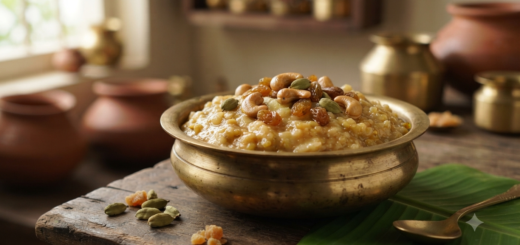
The Rava Kesari Milk Ingredients you actually need are simple pantry items: fine rava, whole milk, sugar, ghee, saffron, cardamom, and a handful of cashews. This is the milk version of the classic South Indian sweet, so it cooks the semolina in hot milk instead of plain water. That single swap is what gives the dessert its soft, creamy, melt-in-the-mouth finish.
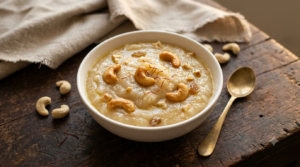
Milk rava kesari served warm in a bowl, topped with golden cashews and saffron strands.
Milk kesari, also called paal kesari in Tamil, is a festival and pooja favourite across Tamil Nadu, Andhra Pradesh, Karnataka, and Kerala. It comes together in about 30 minutes with no special equipment. Below you get the exact quantities, timed steps, the correct rava-to-milk ratio, a comparison with other kesari versions, and quick fixes for lumps and sticky texture.
Milk Rava Kesari At A Glance
Here is the quick picture before you gather your Rava Kesari Milk Ingredients and start cooking.
- What it is: a creamy semolina pudding cooked in milk, sugar, ghee, and saffron.
- Total time: roughly 30 minutes from start to serve.
- Serves: about 6 small bowls.
- Key swap: milk replaces water, so the texture turns richer and smoother.
- Colour: saffron gives a gentle golden tint, so no artificial colour is needed.
- Best for: naivedyam during festivals, sudden guests, or a weekend sweet craving.
Recipe Card
| Detail | Value |
|---|---|
| Prep Time | 10 minutes |
| Cook Time | 20 minutes |
| Total Time | 30 minutes |
| Servings | 6 servings |
| Difficulty | Easy |
Rava Kesari Milk Ingredients With Exact Quantities
Measure everything before you start, because milk kesari moves fast once the pan is hot. These are the tested Rava Kesari Milk Ingredients for six servings.
- 1 cup (180 g) fine rava / sooji (semolina)
- 3 cups (720 ml) whole milk
- ¾ cup (150 g) granulated sugar
- 6 tablespoons (90 g) ghee (clarified butter)
- 15 cashew nuts
- 10–12 strands of saffron
- ¼ teaspoon cardamom powder
- Optional: 2–3 drops orange or yellow food colour
Fine rava is important here, since it drinks up milk quickly and stays smooth. Coarse rava works too, yet it needs a little more milk and a longer cook. Keep the saffron aside in a spoon of warm milk if you want a deeper colour.
Rava Kesari Milk Ingredients: Step-By-Step Method
With your Rava Kesari Milk Ingredients measured and ready, follow these seven timed stages. Each one takes only a few minutes, so keep everything within reach before the pan heats up.
- Prep the rava (0–3 min): heat a heavy pan on medium flame and add 2 tablespoons of ghee. A thick-bottomed pan matters, because milk browns easily on a thin one.
- Roast the rava (3–8 min): add the rava and stir for 4–5 minutes until fragrant and lightly golden. Do not brown it, since over-roasted rava tastes bitter.
- Boil the milk (8–12 min): bring 3 cups of whole milk to a boil in a separate pan, then lower the heat to keep it hot. Warm milk blends in far better than cold.
- Add milk to the rava (12–15 min): pour the hot milk in slowly while stirring quickly. Steady stirring stops lumps, and the mix thickens within a minute or two.
- Add sugar and spices (15–18 min): stir in ¾ cup sugar with the saffron and cardamom. It turns runny as the sugar melts, then firms up again as you cook.
- Fry the nuts and finish (18–23 min): fry the cashews in the remaining ghee until golden and mix them in. Add the optional food colour now if you want a brighter hue.
- Rest and serve (23–30 min): turn off the heat and rest for 5–7 minutes so the flavours settle. Serve warm, garnished with cashews or saffron strands.
Rava Kesari Milk Ingredients: The Right Ratios
Ratios are the quiet reason a milk kesari succeeds or turns pasty. Get the rava-to-milk and rava-to-sugar balance right, and the texture takes care of itself. Here is how the Rava Kesari Milk Ingredients relate to each other.
Rava to milk: aim for 1 part rava to 3 parts milk for a soft, sliceable set. If you like a looser, pudding-like scoop, push it to 1 part rava and 3½ parts milk. Coarse rava usually needs the higher end.
Rava to sugar: milk versions often taste flatter than water versions at the same sugar level, so many cooks add a touch more sugar than the usual one-to-one. This recipe keeps sugar moderate at ¾ cup, yet you can lift it to 1 cup for a sweeter bowl. Taste once the sugar dissolves and adjust before it sets.
Ghee: ghee is not optional in kesari. It carries flavour and gives that glossy, non-sticky finish. Add some at the start and drizzle the rest at the end, because the final drizzle is what makes the sweet glide off the spoon.
Rava Kesari Milk Ingredients vs Water And Coconut Milk
Kesari changes character depending on the liquid you cook it in. If you are deciding which version to make, this quick comparison sorts them out. Each one suits a different mood and occasion.
| Version | Texture | Best For |
|---|---|---|
| With milk (this recipe) | Creamy, soft, pale golden | Festivals, guests, everyday sweet |
| With water | Firmer, brighter colour, lighter | Quick pooja, tiffin-style kesari |
| With condensed milk | Very rich, dense, extra sweet | Celebrations, dessert after a meal |
| With coconut milk | Fragrant, dairy-free, subtle sweetness | Vegan diets, coastal-style flavour |
The water version is the lightest and firmest, so it is handy for a fast naivedyam. For an even richer bowl, try the rava kesari with condensed milk, which turns dense and fudge-like. If you want a dairy-free option, the coconut milk rava kesari keeps the creaminess without milk. You can also compare the base method in the plain rava kesari recipe.
How To Fix Common Rava Kesari Problems
Milk kesari is forgiving once you know the usual traps, and the Rava Kesari Milk Ingredients stay exactly the same. Most problems trace back to the roast, the stir, or the heat. These fixes handle the four issues cooks hit most often.
Lumps: lumps form when rava meets milk too fast. Pour the hot milk in slowly and stir non-stop while it goes in. If a few lumps still appear, press them against the pan with the back of your spoon until they smooth out.
Sticky or gummy texture: this usually means the rava was under-roasted. Roast it until it smells nutty and looks lightly golden next time. A gummy batch can still improve with a little extra ghee stirred in on low heat.
Too dry or stiff: the rava drank all the milk before cooking through. Add ¼ cup of warm milk and stir for a minute or two until it loosens. Always keep the flame low while you correct it.
Milk catching at the bottom: milk scorches quickly, so use a heavy pan and never leave it unstirred. Keep the heat low to medium once the milk goes in, because a high flame is what dulls the colour and burns the base.
Pro Tips For Rava Kesari Milk Ingredients
Small habits separate a good kesari from a memorable one. These come from making the dish the traditional home way, not from a shortcut. Keep the Rava Kesari Milk Ingredients simple and let technique do the work.
- Use fine rava, not coarse, because it absorbs milk faster and sets smoother.
- Soak the saffron in a tablespoon of warm milk first, since it releases deeper colour and aroma that way.
- Toast the cashews only until just golden, as over-browning turns them bitter.
- Serve it the way South Indian feasts do, alongside a savoury dish, so the sweetness feels balanced.
- When the aroma of roasting rava and warm milk fills the kitchen, you are on the right track.
Rava Kesari Milk Ingredients: Substitutions And Storage
A few easy swaps let you adjust the Rava Kesari Milk Ingredients to your diet or pantry. Storing it well keeps the texture soft for the next day.
- Milk: swap up to half the milk with water for a lighter, less heavy sweet.
- Sweetener: jaggery powder works if you prefer less refined sugar, though it deepens the colour and flavour.
- Nuts: almond slivers or raisins can replace or join the cashews.
- Storage: keep leftovers in an airtight container in the fridge for up to 3 days.
- Reheating: warm it gently with a splash of milk to bring back the creamy texture, and skip the high-power microwave since it dries the kesari out.
Nutrition Information Per Serving
| Nutrient | Approx. Value |
|---|---|
| Calories | ≈ 300–350 kcal |
| Carbohydrates | ≈ 45–55 g |
| Protein | ≈ 4–7 g |
| Total Fat | ≈ 12–20 g |
| Saturated Fat | ≈ 8–12 g |
| Sugar | ≈ 30–40 g |
These numbers are estimates based on similar traditional recipes, so they shift with your exact brands and portion sizes. Kesari is calorie-dense because of the ghee and sugar. Enjoy it in modest portions, especially if you are watching sugar intake, and treat it as an occasional sweet rather than a daily one.
Why Milk Makes This Kesari Better
Cooking the semolina in milk instead of water changes the whole mouthfeel. Milk brings a fuller, creamier body that plain water cannot match. Saffron and cardamom then layer in warmth, while toasted cashews add crunch against the soft base.
The word kesari itself points to saffron, the spice that lends the dish its gentle golden colour. In a milk version that colour stays pale and natural, which is exactly why extra food colour is optional. The Rava Kesari Milk Ingredients stay humble, yet the result feels festive.
Known regionally as kesari bath in Karnataka, this semolina sweet appears at festivals such as Ugadi and Navratri across South India. It works equally well as a dessert or as a pooja offering.
Before You Cook
Milk rava kesari rewards attention more than skill. Roast the rava properly, keep the milk warm, and stir with patience through the sugar stage. Nail those three things and you get a soft, glossy sweet every single time.
For a festival spread, pair it with other classics from our Diwali sweets recipes collection. Measure your Rava Kesari Milk Ingredients, keep the flame low, and serve it warm.
Frequently Asked Questions
Can I Make Rava Kesari With Water Only?
Yes, traditional kesari often uses water instead of milk. Water gives a firmer, brighter, lighter sweet, while milk makes it creamier and richer. For a middle path, use half milk and half water without losing much flavour.
Why Does Milk Kesari Need More Sugar Than Water Kesari?
Milk carries its own mild taste that can flatten sweetness, so a milk version can taste less sweet at the same sugar level. Many cooks add a little extra sugar to balance it. Always taste once the sugar dissolves and adjust before the kesari sets.
How Do I Prevent Lumps?
Pour the hot milk slowly into the roasted rava while stirring quickly and continuously. The steady motion stops the rava from clumping. If small lumps form, press them against the pan with your spoon until they smooth out.
Why Is My Milk Kesari Pale And Not Bright Orange?
That pale golden shade is normal for a milk version, because saffron alone gives a soft, natural colour. Water-based kesari often looks brighter thanks to added food colour. If you want a deeper hue, soak saffron in warm milk or add a drop of food colour.
Can I Use Jaggery Instead Of Sugar?
Yes, jaggery powder works as a less refined sweetener. It deepens both the colour and the flavour, so the kesari turns darker and earthier. Add it after the rava cooks, and adjust the quantity to your taste.
How Do I Make It Vegan Or Dairy-Free?
Swap the dairy milk for coconut milk or almond milk, and use a neutral oil in place of ghee. Coconut milk keeps the creaminess and adds a light coastal aroma. The texture stays close to the original while the dish turns fully plant-based.
How Long Does Milk Rava Kesari Stay Fresh?
Stored in an airtight container in the fridge, it keeps for up to 3 days. Reheat it gently with a splash of milk to restore the soft texture. It tastes best warm, so avoid serving it straight from the fridge.
Are Rava Kesari Milk Ingredients Healthy?
Kesari is calorie-dense because of its ghee and sugar content. It is fine as an occasional treat, though moderate portions are wise if you are managing weight or blood sugar. You can lighten it slightly by trimming the ghee and sugar, with a small trade-off in texture.
Can I Make It Ahead For A Pooja Or Festival?
Yes, milk kesari holds well for a few hours and reheats easily. Make it the same morning for a naivedyam or festival spread, then warm it with a splash of milk before serving. Freshly cooked kesari always tastes best, so time it close to the meal.