Bobbatlu Recipe With Sugar: Soft, Easy Step-by-Step Guide
This bobbatlu recipe with sugar turns humble chana dal and soft dough into melt-in-the-mouth sweet flatbreads that vanish fast from any festival table. Bobbatlu is the Andhra name for the stuffed sweet flatbread known as puran poli in Maharashtra and holige or obbattu in Karnataka. Traditional cooks reach for jaggery, but the sugar version has a paler colour and a cleaner, gentler sweetness that children especially love.
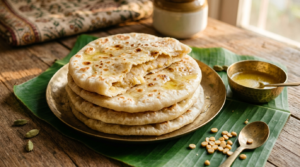
Freshly made bobbatlu with a pale sugar and chana dal filling, brushed with ghee.
Here you get exact measurements, honest timings, and the small kitchen fixes that stop the filling leaking. Because the steps are broken down clearly, even a first-timer can shape neat, soft bobbatlu at home.
Bobbatlu Recipe With Sugar at a Glance
Before you start, here is the quick version so you know what you are signing up for.
- What it is: a soft flatbread stuffed with sweet chana dal filling.
- Sweetener here: plain granulated sugar, so the filling stays light and pale.
- Best for: Ugadi, Sankranti, Ganesh Chaturthi, and everyday treats.
- Total time: about 75 minutes, plus 30 minutes of dough resting.
- Skill level: medium, mostly because the rolling takes a little practice.
What Sets This Bobbatlu Recipe With Sugar Apart
Most guides online repeat the jaggery method and stop there. This bobbatlu recipe with sugar instead walks you through the sugar filling in detail, since it behaves differently on the pan.
Sugar melts faster and can make the filling wetter, so the cooking-down stage matters more. When you get that stage right, the flatbread stays soft yet never turns soggy. That is the difference between a bobbatlu that tears and one that rolls cleanly.
The filling uses chana dal, also called split Bengal gram, which gives a nutty body no other lentil quite matches. Andhra-style bobbatlu often skip turmeric in the dough, though a pinch adds a warm colour if you like. Because the recipe is built around real festival cooking, the tips come from actual practice, not guesswork.
When Is Bobbatlu Traditionally Made
Bobbatlu shows up most during festivals, where it carries real meaning beyond taste. Families prepare it for Ugadi, Makara Sankranti, and Ganesh Chaturthi, and it often features at weddings too.
On many occasions it is first offered to the deity as naivedyam, then shared with everyone. The sweetness stands for a prosperous, happy year ahead, which is why it appears on New Year plates across the Telugu states. This bobbatlu recipe with sugar keeps that festive spirit while staying light enough for any ordinary weekend.
Sugar or Jaggery: Which Filling Should You Pick
Both sweeteners make wonderful bobbatlu, so the choice comes down to taste and occasion. Sugar gives a clean, mild sweetness and a light golden filling, while jaggery brings an earthy, caramel depth and a darker colour. The table below lays out the trade-offs at a glance.
| Aspect | Sugar version | Jaggery version |
|---|---|---|
| Colour | Pale, golden | Deep brown |
| Sweetness | Clean and mild | Earthy, caramel notes |
| Extra step | Mix straight into dal | Melt to syrup first |
| Texture | Slightly crisp edge | Softer, denser |
| Kids’ favourite | Usually yes | Stronger, adult taste |
If you are cooking for a mixed crowd, sugar is the safer bet because the flavour appeals to nearly everyone. That said, many families still keep jaggery for offerings, since it carries the older, traditional taste. For this bobbatlu recipe with sugar, plain granulated sugar works perfectly.
Recipe Card
| Prep Time | 30 minutes |
| Cook Time | 45 minutes |
| Total Time | 75 minutes |
| Servings | 10–12 bobbatlu |
| Difficulty | Medium |
Ingredients for Bobbatlu Recipe With Sugar
For the dough
- 2 cups all-purpose flour (maida) — about 240 g
- ¼ tsp salt
- ¼ tsp turmeric powder (optional, for colour)
- 2 Tbsp oil or ghee, for kneading
- ⅓–½ cup lukewarm water, as needed
- Extra oil or ghee for roasting
For the sweet sugar filling
- 1 cup chana dal (split Bengal gram) — about 195 g, rinsed
- 2 cups water, for cooking the dal
- ¾ cup granulated sugar — about 150 g (adjust to taste)
- ½ tsp cardamom powder
- 1 Tbsp ghee, for cooking the filling
- Optional: a pinch of grated nutmeg
Keep the sugar slightly on the lower side at first, because you can always taste and add more. A pinch of salt in the dough also lifts the sweetness later.
How to Make Bobbatlu Recipe With Sugar Step by Step
Follow this bobbatlu recipe with sugar in order, since each stage sets up the next. Work through the dough and filling side by side to save time.
Step 1: Knead and Rest the Dough
Add the flour, salt, and turmeric to a large bowl and mix. Pour the lukewarm water in slowly, then knead into a smooth, soft dough. Now work in 2 Tbsp oil or ghee and knead for 5 more minutes until the dough feels supple.
Cover it and let it rest for at least 30 minutes, because resting lets the gluten relax and makes rolling far easier.
Step 2: Cook and Strain the Chana Dal
Rinse the chana dal under running water until the water runs clear. Add it to a pan or pressure cooker with 2 cups water. Cook until the dal is fully tender, which takes about 8–10 minutes on the stove or 2–3 whistles in a cooker.
Drain the dal thoroughly and let it cool a little. This step decides everything, since leftover water is the main reason fillings leak. Save the drained water if you like, because it makes a lovely base for pappu or pulusu later.
Step 3: Make the Sweet Filling
Blend the cooked dal, sugar, and cardamom into a smooth mixture. Add a tablespoon of warm water only if the blender struggles.
Heat 1 Tbsp ghee in a heavy pan, then add the blended mixture. Stir on medium-low for 10–12 minutes until it thickens and begins to leave the pan edges. Turn off the heat and let it cool fully, because a warm filling is soft and hard to shape.
Step 4: Portion the Dough and Filling
Divide the rested dough into 10–12 equal lemon-sized balls. Shape the filling into balls too, keeping them a touch smaller than the dough. The thinner outer cover needs a little less filling to stay intact while rolling.
Step 5: Stuff and Shape
Flatten one dough ball with your fingers and set a filling ball in the centre. Bring the edges together to enclose it, then pinch to seal. Dust lightly with flour and roll gently into a 5–6 inch circle. Go easy here, because heavy pressure tears the dough and spills the filling.
Step 6: Cook on the Tawa
Heat a non-stick tawa on medium flame. Place the rolled bobbatlu on the hot surface and cook for 1–2 minutes until bubbles form underneath. Flip it, brush lightly with ghee, and press gently so it cooks evenly. Cook the second side for about a minute, then remove and keep warm.
Pro Tips for the Best Bobbatlu Recipe With Sugar
These are the details that separate an average bobbatlu from a bakery-soft one.
- Aim for a thick, dryish filling, because a watery centre is what makes the flatbread soggy.
- Strain the dal really well, since even a little extra moisture makes rolling a struggle.
- Add cardamom gradually and taste as you go, as not everyone enjoys the same spice level.
- If the dough cracks while rolling, rest it another 5 minutes so the gluten softens.
- Roll on a lightly greased sheet or banana leaf if the dough sticks to your board.
Bobbatlu Recipe With Sugar: Common Problems
Bobbatlu trips up most beginners in the same few spots. Here is how to fix each one fast.
The filling keeps leaking. This almost always means the filling is too wet or the seal is weak. Cook the filling a little longer to dry it, and pinch the dough edges firmly before rolling. Rolling with a gentle hand also keeps the seal intact.
The filling turned hard. Overcooking the dal mixture dries it out, so it stiffens once cool. If it feels too firm, mash in a teaspoon of warm milk or ghee to loosen it before shaping.
The dough tears easily. A dough that tears is usually under-rested or too stiff. Let it sit longer, and knead in a few drops of oil until it turns soft and stretchy again.
Serving Bobbatlu Recipe With Sugar
Bobbatlu tastes best warm, straight off the tawa, with a little extra ghee on top. Many families pour a splash of warm milk over it for a festive breakfast.
Some prefer the classic sweet-and-savoury combo, pairing it with a spoon of plain dal or a mild curry. For festivals like Ugadi, it often appears as naivedyam before the family sits down to eat. However you serve it, keep the flatbreads soft and never let them dry out in the open air.
Bobbatlu Recipe With Sugar: Substitutions and Storage
Handy substitutions
- Sweetener: swap sugar for jaggery or coconut sugar when you want a deeper, earthy flavour.
- Flour: whole wheat flour works alone, though the texture turns denser and less pliable.
- Dal: toor dal can replace chana dal, and it cooks a touch faster.
- Spice: a pinch of nutmeg adds warmth alongside the cardamom.
Storing and reheating
- Store cooled bobbatlu in an airtight box at room temperature for up to 2 days.
- In hot weather, refrigerate for up to 5 days and warm gently before serving.
- If they dry out, sprinkle a few drops of water and reheat on a tawa with a little ghee.
Bobbatlu Recipe With Sugar Nutrition (Approximate)
| Nutrient | Amount |
|---|---|
| Calories | 310 kcal |
| Carbohydrates | 46 g |
| Protein | 7 g |
| Fat | 10 g |
| Sugar | 20 g |
| Fibre | 5 g |
These figures are estimates based on similar puran poli recipes and will vary with your exact quantities. Because each serving carries sugar and refined flour, anyone watching blood sugar should enjoy bobbatlu in moderation. The maida also means the dish contains gluten, so plan around that if needed.
Final Thoughts
A good bobbatlu recipe with sugar rewards patience more than skill, so do not rush the resting or the cooking-down stage. Get the filling dry and the dough soft, and the rest simply falls into place.
Whether you make it for Ugadi, Sankranti, or a quiet weekend treat, the pale sugar filling wins over kids and elders alike. Start with a small batch, learn the feel of the dough, and you will be rolling neat bobbatlu in no time. For more versions, try the wheat-flour bobbatlu or the maida bobbatlu guide on this site.
Frequently Asked Questions
Can I make bobbatlu without sugar?
Yes. The traditional version uses jaggery instead, which gives an earthy, caramel-like sweetness and a darker filling. Sugar simply makes the filling lighter in colour and slightly crisp at the edges.
Why does my filling leak while rolling?
Leaking usually means the filling holds too much moisture. Cook it longer to thicken it, strain the dal well beforehand, and seal the dough edges firmly before you roll.
Can I use wheat flour instead of maida?
You can. Whole wheat flour makes a healthier, sturdier bobbatlu, though the texture turns denser. Many cooks mix maida and wheat flour to get softness with a little extra body.
Why did my filling turn hard?
Hard filling comes from overcooking the dal mixture. Loosen it by mashing in a teaspoon of warm milk or ghee before shaping, and stop cooking as soon as it leaves the pan.
Can I use toor dal instead of chana dal?
Yes, toor dal works and cooks slightly faster. Chana dal stays the classic choice, since it gives the nutty body most people expect in bobbatlu.
How long does bobbatlu stay fresh?
It keeps for up to 2 days at room temperature in an airtight box. In warm weather, refrigerate for up to 5 days and reheat gently on a tawa with a little ghee.
How should I serve bobbatlu?
Serve it warm with a drizzle of ghee or a splash of warm milk. For a savoury twist, pair it with plain dal or a mild curry.
Is bobbatlu the same as puran poli?
Essentially yes. Bobbatlu is the Andhra name, while the same sweet flatbread is called puran poli in Maharashtra and holige or obbattu in Karnataka.