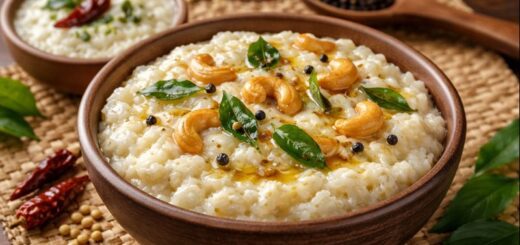
Kerala Rasam Recipe: Easy 30-Minute Tangy Rasam
This Kerala Rasam Recipe gives you a tangy, peppery South Indian soup that comes together in about 30 minutes with pantry staples. Kerala rasam leans on tamarind, tomato, black pepper and a coconut-oil tempering, so it tastes brighter and more aromatic than the heavier, dal-thick versions many recipes push. You do not need special equipment or hard-to-find spices. Below you get exact measurements, a clear step-by-step method, the one boiling mistake that ruins most rasam, plus variations and storage tips straight from an Andhra home kitchen.
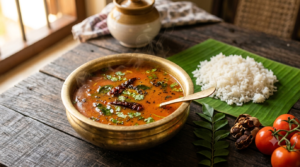
A steaming bowl of Kerala rasam finished with curry leaves, coriander and a coconut-oil tempering.
Kerala Rasam Recipe at a Glance
Here is the short version before we get into detail. Keep this handy while you cook.
- What it is: a thin, tangy tamarind-and-tomato soup, spiced and tempered, served over rice or sipped warm.
- Time: roughly 10 minutes prep and 20 minutes cooking, so about half an hour start to finish.
- Serves: 4 as part of a meal.
- Key flavour: tamarind sourness, black pepper heat, and curry leaves tempered in coconut oil.
- The golden rule: never let rasam roll-boil after you add the rasam powder, because a hard boil turns it bitter and flat.
What Makes This Kerala Rasam Recipe Special
Rasam exists across the south, yet each region has its own signature. This Kerala Rasam Recipe stands apart in three clear ways. First, the tempering uses coconut oil instead of ghee, which gives that unmistakable Kerala fragrance.
Second, black pepper and garlic carry the heat, rather than a heavy dose of lentils. Third, many Kerala homes skip cooked dal entirely, so the broth stays light and clear. That restraint is exactly why a proper Kerala Rasam Recipe tastes so clean and refreshing.
The word rasam comes from “rasa”, meaning juice or essence. Names shift as you travel: Tamil and Telugu speakers say rasam, Karnataka calls it saaru, while Andhra and Telangana homes call it chaaru. The dish is the same idea everywhere, though the spice balance changes from kitchen to kitchen.
One nice bit of history worth knowing: rasam was not always central to the Kerala Onam feast. Older Sadya spreads leaned on sambar, pulissery and moru, and rasam earned its place on the banana leaf over time. Today it sits near the end of the meal, right before curd rice.
Recipe Card
| Detail | Value |
|---|---|
| Prep time | 10 minutes |
| Cook time | 20 minutes |
| Total time | 30 minutes |
| Servings | 4 bowls |
| Difficulty | Easy |
Ingredients for This Kerala Rasam Recipe
These are everyday South Indian pantry items. The quantities below make a balanced pot for four, so scale up freely for a crowd.
- 3 ripe medium tomatoes, finely chopped (about 300g)
- 1 lemon-size tamarind ball, or 2 tbsp tamarind pulp
- 4 cups water
- 2 tbsp rasam powder (store-bought or homemade)
- 1 tsp turmeric powder
- ½ tsp asafoetida (hing)
- 1 tbsp jaggery or palm sugar (optional)
- 1 tsp salt, or to taste
- 1 tbsp coconut oil (or ghee)
- 1 tsp mustard seeds
- 1 tsp cumin seeds
- 3–4 dried red chillies, broken
- 10–12 curry leaves
- 4–5 garlic cloves, crushed
- ¼ cup fresh coriander leaves, chopped
Want a from-scratch masala instead of a packet? You can grind your own using this homemade rasam podi recipe, which keeps the aroma far fresher than shop packets.
How to Make Kerala Rasam Recipe (Step by Step)
Follow these five stages in order. The whole method is forgiving, so do not stress about exact timings.
- Prepare tamarind water (5 mins). Soak the tamarind ball in ½ cup warm water for five minutes. Squeeze out the pulp, then strain the fibres and set the liquid aside. If you use ready pulp, simply dissolve 2 tbsp in ½ cup warm water.
- Cook the tomato base (5 mins). Bring 4 cups of water to a boil in a saucepan. Add the chopped tomatoes, turmeric, asafoetida and salt. Let it bubble for 3–4 minutes until the tomatoes soften and colour the water.
- Add tamarind and spices (3 mins). Pour in the tamarind extract, then stir in the rasam powder and jaggery. Keep the heat medium and let it warm through for about three minutes, so the flavours marry. Do not let it boil hard here.
- Make the tempering (5 mins). Heat the coconut oil in a small pan. When it is hot, add mustard seeds and wait for them to pop. Then add cumin, red chillies, curry leaves and crushed garlic, and fry for a minute until the garlic turns light golden.
- Finish (2 mins). Pour the sizzling tempering into the rasam, add the coriander, and stir once. Switch off the heat and cover the pot for five minutes so the aroma settles in before you serve.
The Secret to a Frothy Kerala Rasam Recipe
Here is the tip most guides skip, and it matters more than any ingredient. A great Kerala Rasam Recipe is never boiled hard after the rasam powder goes in. You warm it only until a light froth rises to the surface, then you kill the heat. That froth is the sign it is ready.
Why does this matter so much? A rolling boil drives off the delicate aromatics and turns the pepper harsh, so your rasam ends up bitter instead of fragrant. Because the tempering also loses its punch when it sits too long, always add it at the very end. Get these two habits right and your rasam will taste like a good restaurant version every single time.
Kerala Rasam Recipe Variations to Try Next
Once you master this Kerala Rasam Recipe, small swaps open up a whole family of rasams. Each one uses the same tamarind-and-tempering method with a different star ingredient, so the technique you just learned carries straight over.
- Pepper rasam (milagu rasam): double the black pepper and skip most of the chilli. This is the classic soothing bowl for a cold.
- Garlic rasam (poondu rasam): add extra crushed garlic to both the broth and the tempering for a deep, savoury kick.
- Lemon rasam: skip the tamarind and squeeze in fresh lemon juice at the end for a lighter, citrusy tang.
- Jeera rasam: lean on roasted cumin for a mellow, earthy flavour that suits sensitive stomachs.
Pro Tips for the Perfect Kerala Rasam Recipe
These small details separate a flat rasam from a memorable one. They come from years of home cooking, not a textbook.
- Roast and grind your own rasam powder when you can, since fresh spice releases far more aroma than a packet.
- A pinch of jaggery rounds off the sourness beautifully, which is exactly why many Kerala homes add it during Onam.
- If the rasam feels too thick, loosen it with a splash of hot water just before serving.
- Crush the garlic rather than chopping it, because bruised garlic melts into the broth and flavours it better.
- Use fresh curry leaves if you possibly can, as dried ones lose most of their fragrance.
Substitutions and Storage
Missing an ingredient? These easy swaps keep the dish on track.
- No tamarind: stir in 1–2 tbsp lime juice at the end for a fresh, clean tang.
- No coconut oil: ghee works well, though the fragrance shifts toward a richer, nuttier note.
- Vegan version: stick to coconut oil, skip any ghee, and add a few extra curry leaves for depth.
For leftovers, cool the rasam and store it in an airtight container in the fridge for up to two days. Hold back the fresh coriander until you reheat, so it stays bright. Warm it gently on low heat, because a fast boil splits the tempering oils and dulls the flavour.
What to Serve With Rasam
Rasam shines brightest over a mound of hot steamed rice with a spoon of ghee. Add a crisp papad and a dry vegetable stir-fry, and you have a complete, comforting South Indian plate. In a full meal the order runs sambar rice first, then rasam rice, and finally cooling curd rice.
It also pairs happily with soft idli or a Kerala-style vada curry for a heartier spread. On its own, a warm bowl works as a light, sippable soup on a rainy evening. A good Kerala Rasam Recipe is flexible like that, so it fits a festive thali and a quiet weeknight equally well.
Is This Kerala Rasam Recipe Good for You?
A Kerala Rasam Recipe is one of the lighter dishes on a South Indian table. Because the broth is mostly water, spices and a little tomato, one serving is modest in calories and fat. The figures below are approximate estimates for a typical light rasam, so treat them as a guide rather than exact lab values.
| Nutrient | Estimate per serving |
|---|---|
| Calories | about 60 kcal |
| Protein | 2–2.5 g |
| Carbohydrates | 10–12 g |
| Fat | 1–2 g |
| Fibre | about 2 g |
In traditional South Indian kitchens rasam is valued as a digestive, and it is a common comfort food during a cold or fever. Spices like pepper and cumin are believed in home tradition to settle the stomach. These are long-held food customs, not medical claims, so anyone managing a health condition should still follow a doctor’s advice. A gentle note too: asafoetida often contains wheat, so check the label if you avoid gluten.
Common Mistakes to Avoid
A few small slips trip up most first-timers. Sidestep these and your rasam will land right the first time.
- Boiling too long: a hard boil after the powder goes in makes the broth bitter, so stop at the froth.
- Skimping on tamarind: the sourness is the backbone of rasam, and too little leaves it flat.
- Old spice powder: stale packets taste dull, which is why a freshly ground blend always wins.
- Adding tempering too early: pour it in at the very end so the whole-spice aroma stays alive.
If you enjoy this tangy style of cooking, the same tamarind magic runs through this tamarind chickpea curry, which makes a hearty companion dish for a bigger meal.
Before You Cook
This Kerala Rasam Recipe proves that a handful of humble ingredients can make something genuinely special. Nail the tamarind-to-spice balance, temper in coconut oil, and stop the heat before it boils hard. Do that, and you have a bowl that soothes a cold, brightens a plain rice meal, or simply warms you up on a grey day. Start with the base version, then branch into pepper or garlic rasam once you feel confident.
Frequently Asked Questions
Can I make rasam without rasam powder?
Yes, and it tastes wonderfully fresh. Grind cumin, black pepper and garlic together, then use that in place of the packet powder. Freshly ground spice gives a stronger aroma and a livelier, spicier flavour.
Is rasam served with rice or on its own?
Both work well. In Kerala it is most often poured over hot rice, yet it is also sipped as a light, warming soup. During a Sadya feast it appears as a course near the end of the meal.
Can I slow-cook rasam for a thicker consistency?
You can, but rasam is meant to be a thin broth. Long simmering reduces the liquid and concentrates the flavour, so use it only if you prefer a heavier bowl. For classic rasam, warm it just until frothy and stop.
Why does my rasam taste bitter?
The usual culprit is over-boiling after adding the rasam powder. A hard boil scorches the spices and pushes out the aroma. Warm it gently, wait for the froth, then switch off the heat right away.
Which is better, ghee or coconut oil for Kerala rasam?
Coconut oil gives the authentic Kerala fragrance, so it is the traditional choice for this style. Ghee makes the rasam richer and rounder if you prefer that. Either one works, so pick the aroma you enjoy most.
How long does rasam stay fresh?
Store it in an airtight container in the fridge for up to two days. Reheat gently on low heat to keep the tempering from splitting. Add fresh coriander only when you serve it again.
What is the difference between rasam and sambar?
Sambar is a thick, dal-based stew with vegetables, while rasam is a thin, tangy, spice-forward broth. In a South Indian meal sambar comes first for substance, and the lighter rasam follows to aid digestion. They are companions, not substitutes.
Can I make rasam ahead for a party?
Yes, make the broth a few hours ahead and keep the tempering separate. Warm the rasam gently just before serving, then pour the fresh tempering over the top. This keeps the aroma at its peak for guests.