Sambar Recipe Without Pressure: Easy Sambar Recipe Without
Sambar Recipe Without Pressure: Easy South Indian Stew
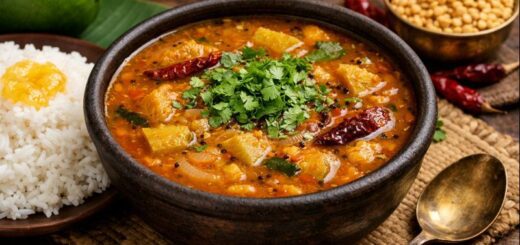
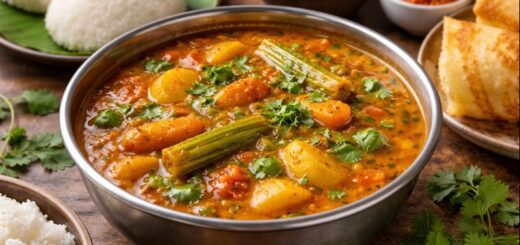
The Sambar Recipe Without Pressure is a traditional South Indian lentil and vegetable stew that you can easily make at home **without using a pressure cooker**. This Sambar lovingly simmers on the stovetop, letting the toor dal (pigeon peas) soften slowly and absorb the tangy tamarind and spice flavors. When I visited my grandmother’s kitchen in Chennai, she swore that slow-cooked dal tastes richer than pressure-cooked versions — and I personally recommend this stovetop method for deeper fragrance and texture. Sambar is a beloved staple in South Indian meals and pairs beautifully with rice, idli, dosa, pongal, upma, and vada.
Recipe Card
| Prep Time | 15 mins |
|---|---|
| Cook Time | 50–60 mins |
| Total Time | 1 hr 10 mins |
| Servings | 4 people |
| Difficulty | Medium |
Ingredients With Exact Quantities
- Toor dal (split pigeon peas) — 1 cup (washed & soaked 30 mins)
- Mixed vegetables (drumstick, bottle gourd, pumpkin, carrots) — 1.5 cups
- Tamarind — lemon size ball, soaked in warm water (approx. ½ cup extract)
- Sambar powder — 2 tbsp (store-bought or homemade)
- Turmeric powder — ½ tsp
- Salt — 1.5 tsp (adjust to taste)
- Water — 4.5 to 5 cups (for cooking)
- Oil — 2 tbsp (vegetable or sunflower)
- Mustard seeds — 1 tsp
- Urad dal (split black gram) — 1 tsp
- Curry leaves — 10–12 leaves
- Dry red chilies — 2 pieces
- Asafoetida (hing) — pinch
- Fresh coriander leaves — handful, chopped (for garnish)
Step-By-Step Instructions
1. Prepare Lentils (Dal)
Drain the soaked toor dal and add it with 3 cups of water to a heavy-bottomed pot. Sprinkle ½ tsp turmeric. Bring to a boil on high heat, then reduce to medium-low. Stir occasionally to prevent sticking.
Simmer uncovered for **about 30–40 minutes** until the dal becomes very soft and starts to break apart. Gently mash with a spoon or whisk for a creamy texture. Patience here is key — this is your flavour base! Understanding Sambar Recipe Without Pressure is essential.
2. Cook Vegetables
While dal cooks, in another pot add the mixed vegetables with 1 cup water and a pinch of salt. Bring to boil and simmer for **10–12 minutes** until crisp-tender. You want them soft but not mushy so they don’t disintegrate in the sambar.
3. Add Tamarind and Spices
Once dal is soft and cooked, add the tamarind extract (discard pulp). Pour in the cooked vegetables. Sprinkle sambar powder, remaining salt, and turmeric. Stir well. Add **another 1 cup water** to bring the stew to your desired consistency.
4. Simmer the Sambar
Keep the pot on medium heat and let the mixture simmer **for 12–15 minutes**. This allows the vegetables, lentils, and spices to mingle and deepen the flavor. This relates to Sambar Recipe Without Pressure.
5. Tempering (Tadka)
Heat oil in a small pan on medium flame. Add mustard seeds; once they pop, add urad dal, curry leaves, dry red chilies, and a pinch of asafoetida. Let them sizzle for **30 seconds**. Pour this tempering directly into the simmering sambar. Stir to combine all aromas.
6. Final Touches
Turn off the heat. Garnish with fresh coriander leaves and cover for **5 minutes** before serving so flavors settle.
Serving Suggestions
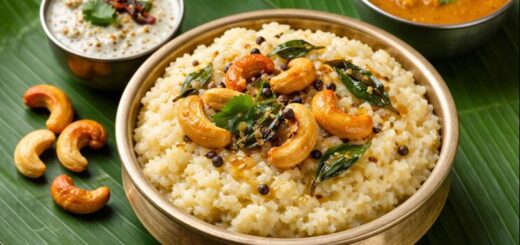
Serve your Sambar Recipe Without Pressure hot with steamed rice, idli, dosa, vada, or pongal. A dollop of ghee on rice and sambar multiplies comfort. I remember tasting sambar with freshly ground coconut chutney during my first trip to Madurai — the contrast of tangy broth and creamy chutney was unforgettable. Learn more about Sambar Recipe Without Pressure.
Pro Tips From Personal Cooking Experience
- For smoother dal, use a whisk or hand masher halfway through simmering — this keeps lumps out and creates a creamy base.
- If your tamarind pulp is too tangy, balance with **½ tsp jaggery** or sugar.
- Add vegetables with similar cooking times together — carrots and beans before softer veggies like pumpkin.
- Keep stirring the dal frequently so it doesn’t scorch on the bottom of the pot during long simmering.
- Always toast sambar powder lightly before adding for enhanced fragrance.
Chef’s Notes: Substitutions & Storage Tips
Substitutions:
- If toor dal is unavailable, chana dal or moong dal can be used — but adjust water and simmering time.
- Sambar powder can be substituted with homemade spice blends from this Wikipedia Sambar article for authenticity.
- No tamarind? Use **2 tbsp lemon juice** added at the end for tang (taste and adjust).
Storage:
- Refrigerate leftover sambar in an airtight container for up to **3 days**. Reheat on stovetop with a splash of water.
- You can freeze sambar for **up to 1 month** — thaw in fridge overnight then simmer before serving.
Nutrition Information Per Serving (Approximate)
| Calories | 150–180 kcal |
|---|---|
| Protein | 6–8 g |
| Carbohydrates | 25–30 g |
| Fat | 2–4 g |
| Fiber | 5–7 g |
This estimate reflects an average homemade sambar serving with lentils, vegetables, and tempering — rich in plant protein and fiber yet modest in calories.
Frequently Asked Questions
Can I skip soaking the dal?
Soaking is optional but recommended. It shortens cooking time and ensures even softening on stovetop without pressure.
What vegetables work best?
Common choices include drumstick, carrots, pumpkin, bottle gourd, and brinjal. But you can use any firm vegetable you have.
How do I make it spicier?
Add 1–2 slit green chilies with tempering or increase the dry red chilies in tadka.
Is this suitable for meal prep?
Yes — sambar stores well and flavors deepen over time, making it great for lunches or dinner leftovers.