Pappu Charu Recipe Andhra Style: Easy Dal Rasam at Home
This Pappu Charu Recipe Andhra style turns a cup of toor dal and a lemon-size ball of tamarind into the tangy lentil broth that Telugu families pour over hot rice almost every week. Cooks across coastal Andhra treat it as everyday comfort food. Yet the exact balance of sour, salt and heat is where most home versions go wrong.
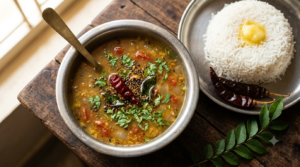
A steaming bowl of Andhra-style pappu charu served with rice and ghee.
Get the consistency right and it should sit between a thin rasam and a thick sambar, so it coats the rice without drowning it. This guide to the Pappu Charu Recipe Andhra style covers the authentic method, the fixes for a flat or watery batch, and the regional variations a basic recipe card leaves out.
Pappu Charu Recipe Andhra Style at a Glance
- What it is: a tangy Andhra lentil soup, often called dal rasam, made without sambar powder.
- Core four: toor dal, tomatoes, tamarind, and a hot mustard-cumin tempering.
- Texture target: pourable but not watery, thinner than sambar and thicker than rasam.
- Total time: about 35 minutes, serving 4 with rice.
- Best partner: steamed rice, a spoon of ghee, and any vegetable fry.
What Is Pappu Charu in Andhra Cooking?
Pappu charu is an Andhra-style lentil broth where pappu means dal and charu means rasam. Most cooks describe it as a cross between sambar and rasam, or a diluted sambar without the heavy sambar masala. Tamarind gives the sourness, tomatoes add body, and a simple tempering carries the aroma. That simplicity is the point, because it comes together on a busy night when there is no time to grind a spice blend.
Because it uses so few spices, every ingredient shows. A dull tamarind, an under-mashed dal, or a rushed tempering all leave a mark. So the skill in any Pappu Charu Recipe Andhra style is balance rather than a long list of components. The dish sits firmly within the broader tradition of Andhra cuisine, which is known for bold, tangy, dal-forward cooking.
Pappu Charu Recipe Andhra Style vs Sambar vs Rasam
People confuse these three constantly, since all are dal-based and served with rice. The quick answer: rasam is the thinnest and most peppery, sambar is the thickest and most spiced, and pappu charu sits in the middle. Knowing the difference stops you from accidentally cooking one when you wanted another.
| Dish | Consistency | Key flavour | Spice base |
|---|---|---|---|
| Rasam | Thin, drinkable | Pepper and tamarind | Rasam powder |
| Pappu Charu | Medium, pourable | Tangy lentil broth | No special powder |
| Sambar | Thick, hearty | Vegetables and spice | Sambar powder |
Notably, pappu charu skips the sambar powder entirely, which is why it tastes cleaner and lighter than sambar. If your version tastes like a weak sambar, you have probably added too many spices.
Ingredients for Pappu Charu Recipe Andhra Style
These quantities for the Pappu Charu Recipe Andhra style make four generous servings. Everything here is a pantry staple in a South Indian kitchen, so you likely have most of it already.
- Toor dal (kandi pappu / pigeon peas) – 1 cup (about 200 g)
- Tomatoes – 2 medium (about 200 g), chopped
- Green chillies – 2, slit lengthwise
- Tamarind – lemon-size ball, soaked (or 2 tbsp tamarind paste)
- Water – about 4 cups, adjusted for consistency
- Salt – 1 tsp, to taste
- Turmeric powder – ¼ tsp
- Red chilli powder – ½ tsp
- Cooking oil – 2 tbsp (gingelly oil is traditional)
- Mustard seeds – 1 tsp
- Urad dal (split black gram) – 1 tsp
- Cumin seeds – ½ tsp
- Dry red chillies – 1 to 2
- Asafoetida (hing) – a pinch
- Curry leaves – 1 sprig
- Fresh coriander leaves – 2 tbsp, chopped
- Jaggery or sugar – ½ tsp (optional, to round the tang)
Which Dal Should You Use?
Toor dal, also called kandi pappu or pigeon pea, is the classic choice and gives the fullest flavour, so start there. Moong dal (pesara pappu) makes a lighter, faster-cooking version that many Andhra homes call pesara pappu charu. Masoor dal cooks quickest of all and works when you are short on time. Each dal shifts the taste slightly, though the method stays the same.
Pappu Charu Recipe Andhra Style: Step by Step
This is the everyday Pappu Charu Recipe Andhra style method with realistic timings. Read it once before you start, because the tempering moves fast at the end.
Step 1: Prep the Base (10 minutes)
Rinse the toor dal under cold running water until the water runs clear. Soak the tamarind in half a cup of warm water for about five minutes, then squeeze and strain the juice. Meanwhile, chop the tomatoes, slit the green chillies, and roughly chop the coriander.
Step 2: Pressure Cook the Dal (12 minutes)
Add the rinsed dal to a pressure cooker with two cups of water, the turmeric, and a small pinch of salt. Cook on medium flame for three to four whistles, which takes roughly ten to twelve minutes. Let the pressure release naturally, then mash the dal until smooth. A smooth dal is what gives pappu charu its silky body.
Step 3: Combine and Simmer (6 minutes)
In a deep pot, combine the mashed dal, chopped tomatoes, green chillies, strained tamarind, red chilli powder, and the remaining water. Bring it to a boil, then lower the heat and simmer for about five minutes. Adjust the water here, since this is the moment that decides the final consistency.
Step 4: Make the Tempering (4 minutes)
Heat the oil in a small pan over medium heat. When it is hot, add the mustard seeds and wait for them to crackle. Then add the urad dal, cumin, dry red chillies, asafoetida, and curry leaves, and fry for thirty to forty seconds until fragrant. Pour this sizzling tempering straight into the simmering pot.
Step 5: Finish and Serve (3 minutes)
Let everything simmer together for another three minutes so the flavours settle. Turn off the heat, then stir in the coriander and the optional pinch of jaggery. Serve piping hot over steamed rice with a spoon of ghee. Leftover charu tastes even better the next day, because the tamarind mellows overnight.
Pappu Charu Recipe Andhra Style: Getting the Consistency Right
Consistency is the single skill that separates a good Pappu Charu Recipe Andhra style from a forgettable one. It should pour off a ladle in a smooth stream, neither gluey nor watery. If it is too thick, add hot water a little at a time and check again. If it is too thin, simmer it uncovered for a few minutes so it reduces.
Because the dal keeps thickening as it cools, always aim slightly looser than you think you need. When it thickens after resting, a splash of hot water brings it right back.
Popular Pappu Charu Recipe Andhra Style Variations
Once you have the base method down, the Pappu Charu Recipe Andhra style flexes easily. Andhra families rarely make it the same way twice, so treat these as a starting point rather than fixed rules.
- Garlic pappu charu: crush four or five garlic pods into the tempering for a punchy, aromatic version popular in many homes.
- Vegetable pappu charu: add drumstick, okra (bendakaya), or bottle gourd along with the tomatoes so they cook through evenly.
- Pesara pappu charu: swap toor dal for moong dal to get a lighter, quicker broth.
- Without tamarind: stir in a tablespoon or two of lemon juice at the end instead, since heat can dull fresh lemon.
- Instant Pot method: temper on sauté mode, add everything, then pressure cook on high for about ten minutes with natural release.
Pappu Charu Recipe Andhra Style: Common Mistakes to Avoid
Most flat batches come down to a few repeat errors. Fixing these will lift your charu immediately.
- Under-mashing the dal: lumpy dal never blends into a smooth broth, so mash it well or pass it through a sieve.
- Boiling the tempering: add the tadka near the end, because long boiling burns off its aroma.
- Overpowering with tomato: too much tomato masks the tamarind, so keep both in balance.
- Skipping the jaggery check: if the sourness bites, a tiny pinch of jaggery rounds it without making it sweet.
Pro Tips From Andhra Kitchens
- Fresh tamarind beats bottled paste, since the flavour is brighter and cleaner.
- Gingelly (sesame) oil in the tempering is the traditional choice and adds a nutty depth.
- Add coriander leaves with their stalks, because the stalks carry extra aroma.
- Cook it in a heavy or stone vessel if you have one, as it holds heat and deepens the taste.
Storage and Reheating
Pappu charu keeps well, which makes it handy for meal planning. Store it in an airtight container in the refrigerator for up to two days. Reheat it gently on the stovetop and add a splash of water if it has thickened. For longer storage, freeze it in portions for up to a month, then thaw and reheat before serving.
Is Pappu Charu Healthy?
Pappu charu leans healthy because lentils bring plant protein and fibre while the oil stays minimal. It is light on the stomach and pairs naturally with rice for a balanced plate. That said, the nutrition figures below are approximate and shift with your exact ingredients and portion size. Anyone watching sodium can simply reduce the added salt.
| Nutrient | Per serving (approx.) |
|---|---|
| Calories | 180 kcal |
| Protein | 8 g |
| Carbohydrates | 28 g |
| Fat | 5 g |
| Fibre | 5 g |
| Sodium | 420 mg |
What to Serve With Pappu Charu
The classic plate is simple: hot steamed rice, a drizzle of ghee, and a crisp papad. A dry vegetable fry rounds it out beautifully, and an Andhra stuffed brinjal curry makes a hearty pairing. Many families also serve it alongside a South Indian sambar when the meal is bigger. For a lighter follow-up, a bowl of tangy rasam works too.
Andhra vs Telangana Pappu Charu
Both Telugu states make pappu charu, yet the emphasis shifts across the border. The Andhra style leans on tamarind and tomato for a bright, tangy finish. The Telangana version often carries more garlic and a heartier, earthier profile. If you want to compare, try our Telangana style pappu charu and taste the difference side by side.
Before You Make Pappu Charu Recipe Andhra Style
A good Pappu Charu Recipe Andhra style rewards attention, not effort. Nail the smooth dal, the balanced tang, and the medium consistency, and the rest falls into place. Start with the toor dal version above, then branch into garlic or vegetable variations once you know the base. Keep the tempering for the very end, taste before you serve, and you will have a broth worth pouring over rice any day of the week.
Frequently Asked Questions
What is the difference between pappu charu and sambar?
Pappu charu is thinner than sambar and skips the sambar powder entirely. It relies on tamarind, tomato, and a basic tempering for flavour rather than a spice blend. Sambar is thicker, loaded with vegetables, and built around sambar masala.
Can I make pappu charu without a pressure cooker?
Yes. Cook the rinsed dal in a heavy pot with water until soft, which takes about 25 to 30 minutes, skimming any foam. Once the dal is tender, mash it and follow the rest of the method as written.
How do I make pappu charu less sour?
Add a small pinch of jaggery or sugar at the end to balance the tang. You can also reduce the tamarind next time, since fresh tamarind varies in sourness. Extra water dilutes the sourness too, though it also thins the broth.
Which dal is best for pappu charu?
Toor dal (kandi pappu) is the traditional and most flavourful choice. Moong dal makes a lighter version, while masoor dal cooks fastest. All three work, so pick based on time and taste.
Can I add vegetables to pappu charu?
Absolutely. Drumstick, okra, and bottle gourd are popular additions. Add them along with the tomatoes so they cook through before you finish the dish.
Is pappu charu the same as dal rasam?
The terms are often used interchangeably, since both describe a tangy Andhra lentil broth. Pappu charu is the common Telugu name, and dal rasam is the descriptive English version. Recipes differ slightly by household but the idea is the same.
How long does pappu charu keep?
It stays fresh in the refrigerator for up to two days in an airtight container. Reheat gently and add water if it thickens. You can also freeze portions for up to a month.
What oil is best for the tempering?
Gingelly (sesame) oil is the traditional Andhra choice and adds a nutty depth. Any neutral cooking oil works well too. Ghee gives a richer finish if you prefer it.