Pappu Charu Recipe Telangana Style: Easy Step-by-Step
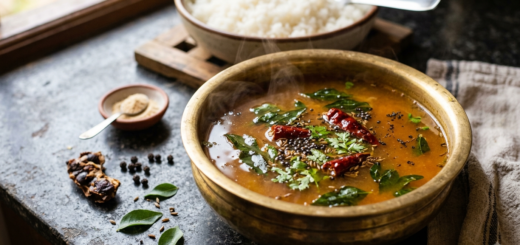
Pappu Charu Telangana Style is a thin, tangy lentil stew from the Telugu kitchen, made with soft toor dal, tamarind, tomato, and a sizzling tempering that soaks into hot rice. It sits at the heart of everyday Telangana lunches, because it turns a handful of pantry staples into something soulful. This dish is gentle, comforting, and quick, so it earns a spot in the weekly rotation of most Telugu homes. Below you will find exact quantities, a clear step-by-step method, and the small regional touches that make it taste like it came from a Hyderabad kitchen.
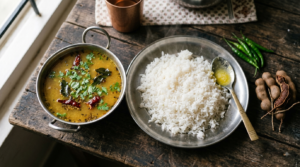
A bowl of thin, tangy Pappu Charu Telangana Style served hot with steamed rice and ghee.
Pappu Charu Telangana Style at a Glance
- What it is: a soupy dal loosened with water and soured with tamarind, eaten with rice.
- Core four: toor dal, tamarind, tomato, and a mustard-cumin tempering.
- Time: about 15 minutes prep and 35 minutes cooking, so roughly under an hour start to finish.
- Texture: thin and pourable, never thick like a north-Indian dal.
- The one rule: no sambar powder, which is exactly what separates charu from sambar.
What Is Pappu Charu Telangana Style?
Pappu Charu Telangana Style is an everyday lentil soup where cooked toor dal is mashed smooth, thinned with tamarind water, and finished with an aromatic tempering. In Telugu, “pappu” means dal and “charu” means a thin, tangy broth. The dish stays deliberately simple, since it is meant to carry rice rather than steal the plate. That easy balance is what defines pappu charu Telangana style at its best.
Pappu charu comes from across the Telugu-speaking regions, and it works as an all-day comfort food. It is close to Andhra pappu charu, yet Telangana kitchens lean on their own local dal and a slightly heavier hand with tempering. The base is toor dal (pigeon pea), which mashes into a smooth broth once cooked. The tamarind gives it life, while the tempering gives it fragrance.
Recipe Card
| Detail | Value |
|---|---|
| Prep Time | 15 minutes |
| Cook Time | 35 minutes |
| Servings | 4 |
| Cuisine | Telangana, South Indian |
| Difficulty | Easy |
Ingredients for Pappu Charu Telangana Style
Keep this list handy, since balance is everything in a charu. The tamarind, the dal, and the salt must all sit in harmony.
- 1 cup toor dal (pigeon pea lentils), rinsed well
- 1 medium tomato, finely chopped
- 2 green chilies, slit (adjust to taste)
- 1 small onion, thinly sliced (optional in many Telangana homes)
- 1 tbsp tamarind paste, or a lemon-sized ball of tamarind soaked and strained
- 1 tsp turmeric powder
- 1 tsp red chili powder
- 2 tbsp cooking oil (or half oil, half ghee)
- 1 tsp mustard seeds
- 1 tsp cumin seeds
- 1 pinch asafoetida (hing)
- 2–3 dried red chilies
- 1 sprig curry leaves
- 2–3 garlic cloves, lightly crushed (optional)
- Salt to taste
- Fresh coriander leaves, for garnish (optional)
- 3–4 cups water, for the consistency you like
How to Make Pappu Charu Telangana Style
The method splits into three easy jobs: cook the dal, prepare the tamarind, then temper and simmer. Follow the steps in order, because the tempering must go in last to keep its aroma alive.
Step 1: Prepare the Dal (10 minutes)
Wash 1 cup toor dal in running water until the water runs clear. This rinses off surface starch, so the finished charu stays clean and smooth. Drain, then soak the dal for 10 minutes while you gather everything else. Soaking shortens the cooking time a little.
Step 2: Pressure Cook the Dal (15 minutes)
Add the rinsed dal, 2 cups water, turmeric, and a pinch of salt to a pressure cooker. Cook on medium flame for 3–4 whistles, then lower the flame for 5 minutes. Let the pressure release on its own before you open the lid. The dal should be so soft that it mashes with the back of a spoon.
Step 3: Make the Tamarind Extract (5 minutes)
While the dal cooks, soak the tamarind in ¼ cup warm water for 5 minutes. Squeeze it with your fingers, then strain the pulp to catch the seeds and fibre. If you are using ready tamarind paste, just stir it into ¼ cup warm water. This step brings the signature tang that makes the dish unmistakably Telangana.
Step 4: Combine Dal, Tomato, and Spices (5 minutes)
Open the cooker and mash the dal into a velvety base. Add the chopped tomato, green chilies, red chili powder, and salt. Pour in the tamarind water plus 1 more cup of water, so the mixture turns broth-like. Simmer gently for a few minutes until the tomato softens.
Step 5: The Tempering (Tadka) (5 minutes)
Heat the oil in a small pan until shimmering. Add mustard seeds first, and once they crackle, add cumin, dried red chilies, curry leaves, crushed garlic, and a pinch of hing. Fry for about 30 seconds so the spices wake up. Pour this sizzling tempering straight into the simmering charu, because that final sizzle is where the fragrance lives.
Step 6: Final Simmer (5 minutes)
Let the charu bubble gently for 5 minutes so the flavours marry. Taste, then adjust the salt or tamarind until it tastes both tangy and rounded. Scatter fresh coriander if you like. It should stay thin and pourable, not thick, so serve it hot over rice with a drizzle of ghee.
Pappu Charu Telangana Style vs Andhra Style
Both states cook this dish almost daily, yet the differences are small and mostly sit in the tempering and the dal choice. Telangana cooks often reach for local Tandur red gram and a fuller tempering, while Andhra kitchens frequently push more heat with Guntur chilies. Neither version uses sambar powder, which keeps them firmly in charu territory.
| Feature | Telangana Style | Andhra Style |
|---|---|---|
| Typical dal | Toor dal, often local Tandur red gram | Toor dal, sometimes moong in summer |
| Heat source | Green chilies and mild red chili powder | Often hotter Guntur red chilies |
| Tempering | Fuller, sometimes with garlic and extra ghee | Simple mustard-cumin, garlic common |
| Consistency | Thin and pourable | Thin, occasionally with added veg |
If you want the neighbouring version, our Andhra style pappu charu guide walks through those small swaps in detail.
Pappu Charu vs Sambar vs Rasam
People often confuse these three South Indian staples, so here is the quick line on each. Pappu charu is a dal soured with tamarind and no special powder. Sambar uses sambar powder and usually more vegetables, while rasam is thinner, peppery, and often made with little or no dal.
| Dish | Base | Key marker | Texture |
|---|---|---|---|
| Pappu Charu | Toor dal + tamarind | No sambar powder | Thin, light body |
| Sambar | Dal + veg + tamarind | Sambar powder | Medium, hearty |
| Rasam | Tamarind, pepper, tomato | Peppery, minimal dal | Very thin, brothy |
Pro Tips for the Best Pappu Charu Telangana Style
- Choose good dal. Local Tandur red gram earned a Geographical Indication (GI) tag in December 2022 as the first farm product from Telangana to do so, and it is prized for taste, quick cooking, and about 22–24% protein.
- Balance the tang. Add a small pinch of jaggery, roughly ½ tsp, because it rounds off sharp tamarind without making the charu sweet.
- Spice with freshness. If you want more heat, add another green chili rather than more chili powder, since fresh heat suits this dish better.
- Mix your fats. Many Hyderabad cooks temper in half oil and half ghee, which lifts the aroma while keeping the dal light.
- Keep it thin. Loosen with hot water after tempering if it thickens, because a good charu should almost pour like soup.
Easy Variations of Pappu Charu Telangana Style
Once you know the base, small swaps give you a whole family of charus. Each one still counts as pappu charu Telangana style, just with one element changed while the tamarind stays.
- Pesara pappu charu: use moong dal instead of toor dal for a lighter, cooling version that many families favour in summer.
- Tomato pappu charu: add an extra tomato and skip some tamarind for a milder, fruitier tang.
- Dosakaya charu: stir in yellow cucumber pieces while the dal simmers, since they add a gentle sweetness.
- No-onion, no-garlic: leave out both for a satvik version often cooked on festival days.
What to Serve With Pappu Charu Telangana Style
Pappu charu Telangana style shines next to plain steamed rice with a spoon of ghee. A dry vegetable fry such as bhindi, potato, or brinjal turns it into a full Telugu meal. Add a crisp papad and a small pickle, because the crunch and salt play beautifully against the thin, tangy dal. Many homes also serve it with idli or dosa when there are leftovers.
Common Mistakes and How to Fix Them
Even a simple pappu charu Telangana style can slip now and then, yet every fault has an easy fix. Here is what to do when things go wrong, so nothing goes to waste.
- Too sour: the tamarind took over, so add ½ cup hot water and a pinch of jaggery to bring it back into balance.
- Too thick: it reduced too far, so loosen with hot water until it pours easily again.
- Tastes flat: the tempering may have gone in cold or early, so make a fresh mustard-cumin tadka and pour it over hot.
- Raw tamarind edge: you added extract late, so simmer another 5 minutes until the sharpness mellows.
Storing Pappu Charu Telangana Style
Cooked pappu charu Telangana style keeps well, so it suits busy weekdays. Refrigerate leftover charu in an airtight container for up to 2–3 days. Reheat it gently on the stovetop, and add a splash of water because it thickens as it sits.
For longer storage, cool it fully and freeze for up to 1 month. Thaw it overnight in the fridge, then warm through before serving.
Nutrition Information Per Serving (Approx)
| Nutrient | Amount |
|---|---|
| Calories | 180 kcal |
| Protein | 8 g |
| Carbohydrates | 28 g |
| Fat | 6 g |
| Fiber | 5 g |
These figures are estimates based on toor dal, tamarind, and tempering oil. Actual numbers shift with the amount of oil or ghee and your serving size.
The Bottom Line
Pappu Charu Telangana Style rewards you far beyond the effort it asks. Cook the dal soft, sour it well with tamarind, and finish with a hot tempering, so the flavours land in the right order. Keep it thin, taste as you go, and lean on good local dal for the fullest flavour. Ladle it over rice with ghee, and you have the quiet, everyday comfort that keeps this dish on Telugu tables.
Frequently Asked Questions
Can I make pappu charu without tamarind?
Yes, you can. Use lemon juice or kokum to bring the sourness instead, although the flavour will differ from the traditional tamarind version. Add the lemon juice at the end, since boiling it can turn it bitter.
Is pappu charu the same as rasam?
No, they are different. Rasam is thinner, peppery, and made with little or no dal, while pappu charu has mashed lentils that give it more body. Both are tangy, but charu eats more like a light dal.
What makes Telangana pappu charu different from sambar?
The single biggest difference is sambar powder. Pappu charu never uses it, so it stays lighter and lets the tamarind and dal shine. Sambar leans on that spice blend and usually carries more vegetables.
Can I pressure cook everything together?
You can, but the charu tastes best when you temper separately after the dal is cooked. A fresh tempering keeps the mustard, cumin, and curry leaves fragrant. Cooking them with the dal dulls that aroma.
Which dal is best for pappu charu?
Toor dal (pigeon pea) is the classic choice for pappu charu Telangana style, and local Tandur red gram is prized for its taste and quick cooking. Moong dal works well too, especially for a lighter summer charu. Both mash into a smooth base easily.
How do I make my pappu charu thinner?
Add hot water a little at a time after the tempering goes in. A traditional charu is almost soup-like, so it should pour rather than sit thick. Simmer briefly after adding water so it stays hot.
Can I add vegetables to pappu charu?
Yes, gentle vegetables suit it well. Yellow cucumber (dosakaya), drumsticks, or okra all work, and they cook along with the dal. Keep the quantity modest, because the dish should stay a thin charu rather than a heavy stew.