Sakkarai Pongal Recipe Sugar Best Easy Home Cooking
Sakkarai Pongal Recipe Sugar Easy Cooking Instant Home
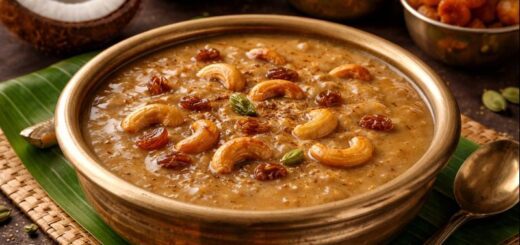
Sakkarai Pongal Recipe Sugar is one of the most beloved South Indian sweet dishes, traditionally made during the Pongal and harvest festivals. This sweet rice and dal preparation flavored with aromatic spices and rich ghee is a festive staple and celebrated household favorite. Also called Sweet Pongal or Chakkara Pongal in various regions, it’s made with rice, moong dal, and sugar or jaggery, creating a creamy, comforting bowl of goodness that’s perfect for celebrations and everyday moments alike.
Recipe Card
| Prep Time | 15 mins |
|---|---|
| Cook Time | 30 mins |
| Total Time | 45 mins |
| Servings | 4–6 |
| Difficulty | Easy |
Ingredients With Exact Quantities
- 1 cup raw rice (short-grain or sona masuri)
- ¼ cup moong dal (split yellow lentils)
- ¾ cup sugar (or jaggery if preferred)
- 4 cups water (adjust as needed)
- ½ tsp cardamom powder
- 2–3 tbsp ghee (clarified butter)
- 12–15 cashew nuts
- 1 tbsp raisins
- Pinch of salt
- Optional: pinch of edible camphor
Step-By-Step Instructions
1. Prepare Rice And Dal (5 mins)
Rinse 1 cup rice and ¼ cup moong dal in water until clear. Drain and set aside.
2. Roast Dal (3 mins)
Heat a heavy bottom pan, add moong dal and dry roast until it turns lightly aromatic and slightly golden. This boosts flavor and helps the dal cook evenly. Stir continuously to avoid burning. Understanding Sakkarai Pongal Recipe Sugar is essential.
3. Cook Rice And Dal (15 mins)
Add the rice and roasted dal to a pressure cooker or heavy pot. Pour in 4 cups water, a pinch of salt, and cook for about 10–12 minutes on medium heat (or until soft and mushy). If using a pressure cooker, cook for about 4–5 whistles; let the pressure release naturally.
4. Heat Sugar Syrup (5 mins)
In a separate small saucepan, combine ¾ cup sugar with ½ cup water and heat until the sugar dissolves completely. Bring to a gentle boil so the syrup slightly thickens. If you’re using jaggery instead of sugar, melt jaggery with warm water and strain before adding to the cooked rice and dal.
5. Combine And Simmer (5 mins)
Once the rice/dal mixture is cooked and soft, pour the sweet syrup into it. Add ½ tsp cardamom powder and mix gently on low flame until the sugar blends and the mixture has a creamy texture. This relates to Sakkarai Pongal Recipe Sugar.
6. Fry Nuts (3 mins)
In another small pan, heat ghee and fry the cashews until golden. Add raisins and fry until they puff up. Remove from heat.
7. Final Touch (2 mins)
Stir in the fried cashews and raisins into the pongal. Optionally add a pinch of edible camphor for a traditional aroma. Serve hot or warm.
Pro Tips From My Cooking Experience
- Use freshly harvested rice when possible — I noticed the texture becomes extra creamy when rice is new.
- When I visited my grandmother’s kitchen during Pongal, the aroma of roasted dal mixed with ghee was unforgettable — roasting first builds deeper flavor.
- If the pongal looks too thick, add a splash of hot water or milk to loosen the texture without diluting taste.
- For a glossy finish, fry nuts in ghee until lightly golden and add immediately before serving.
Chef’s Notes
Substitutions
- Jaggery or Brown Sugar: Traditionally Sakkarai Pongal is prepared with jaggery for depth of flavor, but raw sugar or brown sugar can be used if jaggery isn’t available.
- Milk: A splash of milk adds richness but reduces shelf life; avoid adding milk directly to hot jaggery syrup to prevent curdling.
- Vegan Option: Replace ghee with coconut oil or vegan butter for plant-based diets.
Storage Tips
- Store leftover pongal in an airtight container in the fridge for up to 2–3 days.
- Reheat gently on low flame; add a little hot water if it thickens on cooling.
Nutritional Information Per Serving
Approximate values per serving (based on typical sweet pongal nutrition): Learn more about Sakkarai Pongal Recipe Sugar.
| Nutrient | Amount |
|---|---|
| Calories | ~220–270 kcal |
| Carbohydrates | ~35–48 g |
| Fat | ~3–7 g |
| Protein | ~3–5 g |
| Fiber | ~1–2 g |
This dish is energy-dense, so enjoy it in moderation — especially if monitoring sugar or calorie intake.
Why Sakkarai Pongal Matters
Sakkarai Pongal isn’t just food — it’s culture. During the harvest festival of Pongal, families come together to cook this dish as an offering to the Sun God Surya. According to Wikipedia, the term “Pongal” means to boil over, symbolizing abundance and prosperity. Temples in Tamil Nadu and across South India serve this sweet as prasadam to devotees, bringing a sense of connection and celebration to the community.