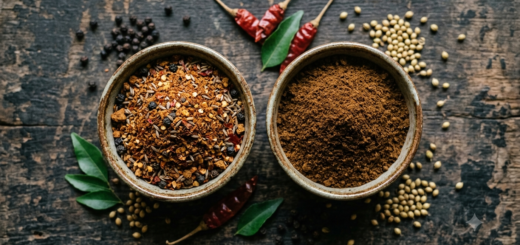
Tomato Kurma Appam Home: Easy Tomato Kurma Appam Home
Tomato Kurma Appam Home Cooking Recipe: Easy Tomato Kurma For Appam
Tomato Kurma Appam Home is more than just a recipe — it’s a classic South Indian side that makes soft, fluffy appam even more delicious. This tangy, aromatic tomato-based kurma pairs beautifully with appam, idiyappam, dosa, idli or even rotis. This dish is popular in Chennai, where tomato kurma is served with homemade appam — the balance of tangy tomato, aromatic spices, and creamy coconut paste is something to instantly fall in love with. The simplicity and rich regional flavor make it a treasured recipe in many South Indian households. Devised to be easy for everyday home cooking, this version gives clear steps and authentic taste you can trust.
Recipe Card
| Prep Time | 15 mins |
|---|---|
| Cook Time | 30 mins |
| Servings | 4 servings |
| Difficulty | Easy |
Ingredients With Exact Quantities
Here’s what you’ll need to make Tomato Kurma for serving with appam at home. Quantities are scaled for about 4 servings.
- Ripe tomatoes – 6 medium (about 450g), finely chopped or roughly pureed
- Onion – 2 medium, finely chopped
- Grated fresh coconut – ¼ cup (60 ml)
- Fennel seeds – ½ tsp
- Poppy seeds (optional) – 1 tsp (or substitute with cashews)
- Green chilies – 3, slit (adjust to taste)
- Coriander powder – 1 tsp
- Red chilli powder – 1 tsp
- Turmeric powder – ½ tsp
- Salt – 1.5 tsp (adjust to taste)
- Oil (vegetable or coconut) – 2 tbsp
- Whole spices for tempering: 1-inch cinnamon, 3 cloves
- Water – 1.5 to 2 cups (depending on consistency)
- Fresh coriander leaves – 2 tbsp, finely chopped (for garnish)
Step-By-Step Cooking Instructions
1. Prepare Masala Base (5 mins)
Start by grinding the coconut, fennel seeds, poppy seeds, and green chilies with 2–3 tablespoons of water to a smooth paste. This will form the rich flavor base of your tomato kurma. The paste should be thick, not watery.
2. Heat Oil And Temper Spices (3 mins)
Warm a heavy-bottomed pan on medium heat. Add 2 tbsp of oil. Once hot, add the cinnamon stick and cloves. Sauté until they become fragrant (about 30 seconds).
3. Sauté Onions (5 mins)
Add the finely chopped onions and sauté until they turn soft and translucent. This gives sweetness and depth to the base.
4. Add Tomatoes And Spices (7 mins)
Add the chopped tomatoes to the pan. Sprinkle turmeric, red chilli powder, and coriander powder. Cook on medium heat, stirring occasionally until the tomatoes break down and become soft and mushy (about 7 minutes). This step helps remove raw tomato flavor and builds a savory tang that is essential to this kurma.
5. Add Water And Simmer (5 mins)
Add 1.5 cups of water to the pan and salt. Stir well and bring to a simmer. If you prefer a thinner gravy for soaking into appam, add up to 2 cups of water.
6. Add Coconut Masala Paste (3 mins)
Stir in the coconut masala paste prepared earlier. Let the kurma simmer gently for 3 minutes, allowing the flavors to combine. Adjust water consistency as needed — for appam, slightly thicker than sambar is ideal.
7. Final Touch And Serve (2 mins)
Sprinkle chopped coriander leaves. Turn off heat and cover for a minute. Serve immediately with soft hot appam for a delightful meal.
Pro Tips
- Tomato Ripeness Matters: In Kerala during the monsoon season, locals insist on very ripe, juicy red tomatoes. They give a naturally sweet and tangy flavor that balances spices beautifully.
- Grind Fresh: Freshly grinding coconut and spices instead of using pre-ground powders brings out deeper aroma and richness in the kurma.
- Balance Spice: If you prefer milder heat, reduce green chilies to 2 and skip chilli powder — the tomatoes and coconut still yield rich flavor.
- Resting Makes Better: Letting the kurma rest off heat for 5–10 minutes enhances the flavor, especially if you’re serving with appam during brunch or dinner.
Chef’s Notes
Substitutions
- Coconut – You can substitute coconut with ground cashews for a slightly richer texture, but coconut gives the traditional South Indian profile.
- Poppy Seeds – Can be skipped if unavailable; use extra roasted gram (pottu kadalai) to maintain thickness.
- Oil – Coconut oil adds authenticity; but vegetable or sunflower oil works well too.
Storage Tips
- Refrigerate leftover kurma in an airtight container for up to 2 days. Reheat on low heat adding a splash of water for desired consistency.
- For longer storage, freeze in freezer-safe containers for up to one month. Thaw and heat before serving.
Nutrition Information Per Serving (Approximate)
| Calories | ~170 kcal |
|---|---|
| Total Fat | 10 g |
| Carbohydrates | 17 g |
| Protein | 3 g |
| Fiber | 4 g |
| Vitamin C | 9 mg |
These values are approximate and based on reliable nutrition data for similar tomato kurma recipes — the use of fresh tomato and coconut contributes significant vitamins and healthy fats.
Why Tomato Kurma Works With Appam
Appam is light, airy, and slightly fermented, with a mild sweetness from coconut milk batter. Pairing it with tangy, layered spiced tomato kurma creates contrast: soft texture meets robust flavor. The tomato’s natural acidity and the fragrant coconut base balance richness and refresh the palate with every bite.
How To Serve Tomato Kurma With Appam
- Place 2–3 hot appams on a plate. Pour warm tomato kurma in a bowl on the side.
- Scoop a bit of kurma with each bite of appam — the sauce’s texture should coat the appam’s folds.
- Add a fresh squeeze of lime or a side of coconut chutney if you like extra brightness.
Additional Pairing Ideas
This tomato kurma doesn’t stop at appam. You can enjoy it with steamed rice for a quick lunch, with idiyappam, soft dosa, or chapati for dinner.
References And Authoritative Sources
To understand more about South Indian cooking methods and authentic ingredients, you can explore the South Indian cuisine overview on Wikipedia and check regional curry techniques. For culinary standards and safe food handling, see resources like the US Government Nutrition Guidance.