Traditional Tamilnadu Rasam Recipe: Authentic Easy Method
The secret to a perfect Traditional Tamilnadu Rasam Recipe is knowing exactly when to switch off the flame, because rasam should never reach a rolling boil. In fact, rasam (Tamil: ரசம், meaning “juice” or “essence”) is the tangy, peppery comfort soup that finishes almost every Tamil Nadu meal.
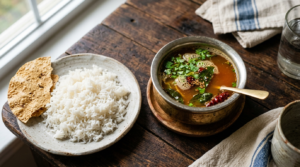
A hot bowl of Traditional Tamilnadu Rasam Recipe, tempered with mustard seeds and fresh curry leaves.
Most home cooks nail the ingredients yet ruin the pot at the last minute by over-boiling it. So this Traditional Tamilnadu Rasam Recipe fixes that first, then walks you through the authentic tomato-tamarind version step by step. Along the way you get the froth trick, the right spice balance, and the fixes for a rasam that turns out too sour, too spicy, or flat.
Traditional Tamilnadu Rasam Recipe at a Glance
- What it is: a thin, spiced tamarind-and-tomato broth eaten with rice, not a thick dal like sambar.
- The golden rule: switch off the heat the moment it froths. Never let it boil.
- No rasam powder needed: freshly crushed pepper and cumin do the work here.
- Total time: about one hour, including tamarind soaking.
- Best for: a light lunch, a cold or fever day, or a soothing bowl on its own.
Recipe Card
| Detail | Value |
|---|---|
| Prep time | 15 mins (plus 30 mins tamarind soaking) |
| Cook time | 20 mins |
| Total time | approx 1 hour |
| Servings | 4 servings |
| Difficulty | Easy |
| Cuisine | Tamil Nadu, South Indian |
Traditional Tamilnadu Rasam Recipe Ingredients
This authentic Traditional Tamilnadu Rasam Recipe skips packaged rasam powder and leans on fresh whole spices instead. Gather everything before you start, since the cooking moves quickly once the tamarind is ready. Here is what you need for four servings.
- 1 medium lemon-sized tamarind ball, soaked in ½ cup warm water
- 3 large ripe tomatoes, finely chopped
- 1.5 tsp cumin seeds
- 1 tsp black peppercorns
- ½ tsp turmeric powder
- 1 tbsp coriander powder
- 1 tbsp gingelly (sesame) oil, or a neutral oil
- ½ tsp mustard seeds
- ½ tsp urad dal (optional)
- 2 dry red chillies, broken
- A pinch of asafoetida (hing)
- 10–12 curry leaves
- Salt to taste (about 1 tsp)
- 2 tbsp fresh coriander leaves, chopped
- 3 cups water
Gingelly oil is the traditional choice because its nutty aroma lifts every sip. Freshly crushed pepper also beats the pre-ground kind by a wide margin, so do not skip that step.
How to Make Traditional Tamilnadu Rasam Recipe
This Traditional Tamilnadu Rasam Recipe follows six simple stages. The whole process takes about 20 minutes of active cooking, so plan ahead once your tamarind has soaked. Watch the pot closely near the end, because the frothing stage arrives fast.
- Prepare the tamarind extract. Soak the tamarind ball in ½ cup warm water for 15 minutes. Then squeeze it well and strain out a smooth juice. Set this aside.
- Crush the spices. Using a mortar and pestle, coarsely crush the peppercorns and cumin together. This fresh grind gives the rasam its aromatic punch, so never skip it.
- Cook the tomatoes. Heat 1 tsp oil in a heavy pot on medium flame. Add the tomatoes and a pinch of salt. Sauté for 3–4 minutes until they soften and release their juice.
- Add tamarind and spices. Pour in the tamarind extract, turmeric, coriander powder, the crushed spice mix, and 3 cups water. Stir, then simmer gently on low heat for about 8 minutes.
- Temper it. In a small pan, heat the remaining oil. Add mustard seeds first and let them splutter. Then add urad dal, red chillies, curry leaves, and asafoetida. Fry for 20–30 seconds and pour this over the simmering rasam.
- Finish. The moment a thick froth rises to the top, switch off the heat. Then stir in fresh coriander leaves. Cover the pot for two minutes so the flavours settle, then serve piping hot.
The One Rule Behind Every Traditional Tamilnadu Rasam Recipe
Never let rasam come to a rolling boil. Switch off the flame as soon as a thick foam covers the surface. Boiling drives off the delicate aromas from the pepper and cumin, and it can turn the tamarind sharp and bitter. Indeed, this single rule separates a fragrant bowl from a flat one.
There is real history behind it, too. Traditionally, rasam in Tamil Nadu was cooked in an eeya chatti, a vessel coated with tin. Because tin melts at a low temperature, the pot could never be heated hard or for long.
Sour, reactive ingredients like tamarind and salt were therefore added late and never boiled much. Steel pots replaced tin long ago, yet the technique survived because it simply makes better rasam. So when you catch the froth and cut the heat, you are following a method shaped by generations of Tamil kitchens.
Rasam or Sambar: Knowing the Difference
Rasam and sambar look related but are not the same dish. The former is a thin, sippable broth built on tamarind, pepper, and cumin, since it uses little or no dal. Sambar, by comparison, is thicker, uses a generous amount of toor dal, and carries chunky vegetables. You drink rasam or mix a little into rice; you ladle sambar over idli, dosa, or rice as a main gravy.
Many recipe sites blur the two, which confuses beginners. The easiest tell is texture: if a spoon stands up in it, that is sambar, not rasam. A proper Tamil Nadu rasam therefore stays light enough to sip straight from a tumbler.
Traditional Tamilnadu Rasam Recipe Variations
The tomato-tamarind Traditional Tamilnadu Rasam Recipe is the everyday favourite, yet Tamil homes cook many rasams for different moods and seasons. Each one swaps the lead flavour while keeping the same never-boil method. Try these when you are comfortable with the base.
- Paruppu rasam: cooked and mashed toor dal is stirred in for a heartier, protein-rich bowl.
- Milagu rasam (pepper rasam): extra black pepper takes the lead. This is the classic remedy served during colds and fevers.
- Poondu rasam (garlic rasam): crushed garlic is fried in the tempering for a warming, digestion-friendly version.
- Lemon rasam: fresh lemon juice replaces tamarind for a brighter, milder sourness, added only after switching off the heat.
- Jeera rasam: cumin is doubled for a gentle, soothing broth that suits an upset stomach.
If you enjoy comparing regional styles, the Andhra-style rasam and the Karnataka-style rasam each bring their own spice balance to the same idea.
What Home Cooks Get Wrong
A rasam rarely fails on ingredients. Instead, it fails on timing and seasoning. These fixes handle almost every problem at the pot.
- Too sour? Add a little hot water and a pinch of sugar or a small piece of jaggery. Sugar balances the tang and also makes the rasam look clearer.
- Too spicy? Stir in a little more tomato or tamarind water and adjust the salt.
- Tastes flat? It is almost always salt. Add a little, taste, and repeat.
- Turned bitter? You boiled it too long. Next time, cut the heat the instant it froths.
Two small tricks lift a good rasam to a great one. First, some cooks splash in a spoon of cold water right after switching off, which stops the spices from overcooking. Second, do not throw away coriander stems, since they hold more flavour than the leaves and belong in the pot.
Chef’s Notes: Substitutions and Storage
Easy Substitutions
- No tamarind ball? Use 2 tbsp tamarind paste dissolved in ½ cup water.
- Want more depth? A teaspoon of jaggery rounds out the sourness beautifully.
- Cooking gluten-free? Use compound-free asafoetida or leave the hing out entirely.
- No gingelly oil? Ghee works well and adds a rich, festive aroma.
Storing and Reheating
- Rasam keeps in the refrigerator for up to 2 days in a covered container.
- Reheat gently and switch off before it boils, so the aroma stays intact.
- Add fresh coriander only when reheating, not before storing.
- Freezing is not ideal, because the fresh spice aroma fades. Cook it fresh where you can.
Nutrition Information Per Serving (Approx)
The Traditional Tamilnadu Rasam Recipe is naturally light, which is part of why it feels so comforting. The figures below are estimates for one serving of tomato-tamarind rasam, so expect them to shift with your exact quantities of oil, salt, and tomato.
| Nutrient | Amount |
|---|---|
| Calories | ~60–70 kcal |
| Carbohydrates | 8 g |
| Protein | 2 g |
| Fat | 3 g |
| Fiber | 2 g |
| Vitamin C | ~65 mg |
Because a single serving lands near 60–70 kcal, rasam fits easily into a light lunch. When you pair it with rice, it becomes filling without feeling heavy.
Serving the Traditional Tamilnadu Rasam Recipe
Naturally, Traditional Tamilnadu rasam pairs beautifully with steaming white rice, a spoon of ghee, and a crisp papad. On a rainy day, or when someone is fighting a cold, this warm bowl feels like comfort itself. For a fuller meal, serve it alongside a simple poriyal and finish the plate with curd rice.
Many families also drink rasam on its own, straight from a small tumbler, before or after the main course. Because it is so light, it works as both a starter and a soothing sip after a meal.
Is Traditional Tamilnadu Rasam Recipe Healthy?
Yes, rasam is a light, low-calorie dish, and its spices are valued in Tamil kitchens for aiding digestion and easing cold symptoms. Black pepper, cumin, turmeric, and tamarind have long been used this way in Ayurveda and Siddha traditions. That reputation is why a bowl of pepper rasam so often appears when someone is unwell.
Still, these are traditional food beliefs, not medical claims. Rasam is a nourishing everyday food, and it is not a substitute for treatment or medicine. If you are managing a health condition or watching your sodium, adjust the salt and spice to suit you, and check with a doctor where it matters.
Frequently Asked Questions
Can I add dal to Tamil Nadu rasam?
Yes. Stirring in cooked, mashed toor dal turns it into paruppu rasam, a heartier and slightly thicker version. Add the dal near the end and still avoid a hard boil. It also adds protein and body without changing the core flavour.
Why does my rasam turn bitter?
Bitterness almost always comes from over-boiling the tamarind or pepper. Simmer gently, then switch off the moment the surface froths. Fresh, coarsely crushed spices also help, since stale or over-fried pepper can turn harsh.
Do I need rasam powder for this recipe?
No. This traditional version uses freshly crushed pepper, cumin, and coriander powder instead of a packaged blend. Fresh whole spices give a cleaner, brighter aroma, which is exactly why many Tamil homes skip the powder for everyday rasam.
Why should rasam never boil?
Boiling drives off the delicate aromas from the pepper and cumin, and it can make the tamarind taste sharp. The right moment to stop is when a thick froth rises and the edges just begin to bubble. Cut the heat there and cover the pot.
What is the difference between rasam and sambar?
Rasam is a thin, sippable tamarind-pepper broth with little or no dal. Sambar is thicker, uses plenty of toor dal, and includes vegetables. Rasam is drunk or mixed lightly into rice, while sambar is served as a gravy over idli, dosa, or rice.
Can I make rasam without tomato?
Yes. Pepper rasam and lemon rasam skip tomato entirely and rely on tamarind or lemon for sourness. Our no-tomato, no-tamarind lemon rasam is a good starting point when you want a lighter, milder bowl.
How long does homemade rasam last?
Stored covered in the refrigerator, rasam stays good for about 2 days. Reheat it gently and stop before it boils to protect the aroma. Add fresh coriander at reheating rather than before storage.
What can I use instead of tamarind?
Tamarind paste works directly, using about 2 tbsp dissolved in water. For a different, brighter sourness, fresh lemon juice added after switching off the heat is a common swap. Both keep the rasam tangy without any packaged mix.
Before You Cook the Traditional Tamilnadu Rasam Recipe
A great Traditional Tamilnadu Rasam Recipe comes down to three things: fresh crushed spices, balanced sourness, and cutting the heat at the froth. Get those right, and then the rest is forgiving. Start with the tomato-tamarind base here, then branch into pepper, garlic, or lemon rasam as your confidence grows.
Serve it hot with rice and ghee, and you have the everyday comfort bowl that defines a Tamil Nadu table. For more on the dish’s roots, see the overview of rasam on Wikipedia.