Vegetable Kurma Kerala Style Without Coconut Easy Cooking
Vegetable Kurma Kerala Style Without Coconut Easy Cooking
Vegetable Kurma Kerala Style Without Coconut is a rich, aromatic South Indian curry that brings together a medley of fresh vegetables simmered in a creamy, spiced nut-based gravy. Unlike traditional Kerala versions that include fresh coconut or coconut milk, this variation skips coconut entirely yet delivers outstanding depth of flavour and texture. Drawing from classic South Indian kitchen techniques and my own kitchen experiments, this recipe celebrates Kerala’s culinary spirit with a healthier twist that pairs beautifully with rice, dosa, idiyappam or roti.
Recipe Card
| Prep Time | 25 mins |
| Cook Time | 35 mins |
| Total Time | 60 mins |
| Servings | 4–6 people |
| Difficulty | Medium |
Ingredients With Exact Quantities
Below is what you need to make this Coconut-Free Vegetable Kurma Kerala Style:
- 2 tbsp vegetable oil (or coconut oil if you prefer)
- 1 tsp mustard seeds
- 1 tsp cumin seeds
- 1 bay leaf
- 1 small cinnamon stick (about 1 inch)
- 3–4 cloves
- 3–4 green cardamom pods
- 1 large onion, finely chopped
- 1 tbsp ginger-garlic paste
- 2 green chillies, slit lengthwise
- 2 large tomatoes, finely chopped
- 2 medium carrots, diced
- 1 medium potato, peeled and diced
- ¾ cup cauliflower florets
- ½ cup green beans, chopped
- ½ cup green peas (fresh or frozen)
- Salt: 1.25 tsp (adjust to taste)
- 1.5–2 cups water (as needed for cooking)
- Nut Paste (for creaminess):
- 12 cashews
- 10 almonds
- 1 tbsp roasted Bengal gram (pottukadalai)
- 1 tsp poppy seeds (khus khus)
- ½ tsp fennel seeds
- ½ tsp turmeric powder
- 1.5 tsp garam masala or South Indian kurma masala
- Fresh coriander leaves for garnish
Step-By-Step Instructions
Step 1: Soak And Prepare Nut Paste
1. Rinse the cashews and almonds. Place them in a small bowl and cover with hot water. Soak for 20 minutes to soften. (20 mins soaking time)
Furthermore, 2. Drain the nuts and combine with roasted Bengal gram, poppy seeds and fennel seeds in a blender. Add ¼ cup of water and blend to a smooth paste. Set aside. This paste replaces coconut for creaminess, inspired by a no-coconut recipe base.
Step 2: Heat Spices And Sauté Aromatics
3. In a deep, heavy-bottomed pan or kadai, warm the oil on medium heat. Add mustard seeds and wait for them to pop. Sprinkle in cumin seeds, bay leaf, cinnamon, cloves and cardamom. Sauté for about 1–2 minutes until fragrant.
4. Add the finely chopped onions and sauté for 4–5 minutes until they turn translucent.
Additionally, 5. Stir in the ginger-garlic paste and green chillies. Cook for another 2 minutes until raw smell dissipates.
Step 3: Cook Tomatoes And Spices
6. Add the chopped tomatoes. Mix well and cook for 5 minutes until the tomatoes soften and release their juices.
7. Sprinkle turmeric powder and garam masala. Stir and sauté the mixture for about 1 minute.
Step 4: Add Vegetables
8. Add the diced carrots, potato cubes, cauliflower florets, green beans and green peas. Stir thoroughly to coat the vegetables with the spice mixture.
9. Pour in 1.5 cups of water and add salt. Stir once again.
10. Cover the pan and let the vegetables simmer on medium heat for 12–15 minutes until they are tender but not mushy.
Step 5: Add Nut Paste And Simmer
11. Once the vegetables are nearly cooked, gently stir in the prepared nut paste.
12. Add a little extra water if the gravy seems too thick. Bring the kurma to a gentle boil, then reduce heat and simmer uncovered for 6–7 minutes.
13. Taste and adjust seasonings if needed. Finish with fresh coriander leaves on top.
Pro Tips From Personal Cooking Experience
- Toast the spices lightly: Whole spices like cumin, cardamom and cloves bloom beautifully when toasted for a minute before adding onions — this tiny step amplifies the aroma immensely.
- Nut paste texture matters: If your gravy feels grainy, add an extra 2–3 tbsp of warm water to the blender when making the nut paste. This helps achieve silkier consistency without coconut.
- Veg chop size: I always cut the vegetables into similar sized cubes (about ¾ inch). They cook evenly, and the final texture in the curry feels balanced.
- Use pressure cooker as option: If you’re short on time, cook the vegetables with spices and water in a pressure cooker for 1–2 whistles before adding nut paste and simmering.
- Herb boost: A teaspoon of fresh mint leaves added with tomatoes adds a refreshing undertone that pairs well with Kerala style spices.
Chef’s Notes: Substitutions And Storage
Substitutions
- Cashews & Almonds: If you can’t use almonds, increase cashews by 50%. You can also add 1 tbsp pumpkin or sunflower seeds to enrich the nut paste.
- Spice Variation: Replace garam masala with a South Indian kurma masala (available at Indian groceries) for a more authentic regional flavour.
- Vegetables: Pearl onions or baby potatoes work wonderfully — they add sweetness and texture.
Storage Tips
- Refrigerate any leftovers in an airtight container for up to 2 days.
- Freeze the curry (without rice or dosa) for up to 1 month. Thaw overnight in fridge before reheating gently on stovetop.
- When reheating, add a splash of water if the gravy has thickened too much.
Nutritional Information Per Serving (Approximate)
| Calories | Carbohydrates | Protein | Fat | Fiber |
|---|---|---|---|---|
| ~250 kcal | 27 g | 8 g | 14 g | 7 g |
The figures above are adapted from similar nut-based kurma recipes that replace coconut with cashews and almonds (used per recipe for calories ~252 kcal per serving) and adjusted for Kerala style vegetable portions.
Why This Kerala Style Without Coconut Works
I first experimented with this no-coconut version while hosting a family lunch when fresh coconut was unavailable in my local market. I was pleasantly surprised by how the nut paste provided creaminess that rivals traditional coconut-based Kerala curries. What stood out to me most was that even without coconut milk, the depth of flavour remained rich yet balanced — the combination of freshly toasted spices, nut paste and slow-simmered vegetables delivers a satisfying texture and aroma.
On the other hand, this Vegetable Kurma Kerala Style Without Coconut is rooted in the South Indian tradition of celebrating vegetables and spices. For context on Kerala food culture where mixed vegetable curries are often paired with a range of staples, you can read about other Kerala dishes on Thoran (Wikipedia).
Serving Suggestions
This curry goes extremely well with:
- Steamed rice
- Kerala parottas or roomali rotis
- Dosa or idiyappam (string hoppers)
- Chapati or phulka
Frequently Asked Questions (FAQs)
Can I make this vegan?
Yes — this version is already vegan and does not use coconut, dairy or animal products.
Is this gluten-free?
Yes — all ingredients listed are naturally gluten-free.
Can I use frozen vegetables?
Absolutely. Frozen mixed vegetables are a great shortcut and still deliver robust flavour, but add them after the spice sauté step to avoid overcooking.
What if I don’t have poppy seeds?
You can omit poppy seeds; they add thickness and slight sweetness, but the nut paste base still gives body to the gravy without them.
METADATA
SEO_TITLE: Vegetable Kurma Kerala Style Without Coconut Easy Recipe
META_DESC: Create a rich Vegetable Kurma Kerala Style without coconut in easy steps. This aromatic South Indian curry uses nut paste and spices for creamy flavour.
SLUG: vegetable-kurma-kerala-style-without-coconut
FOCUS_KEYWORD: Vegetable Kurma Kerala Style
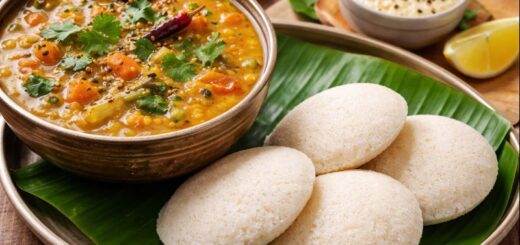
IMAGE_PROMPT: A vibrant bowl of Vegetable Kurma Kerala Style without coconut, with mixed vegetables and creamy nut-based gravy garnished with coriander, served alongside dosa and rice
IMAGE_ALT: Vegetable Kurma Kerala Style without coconut served in traditional South Indian setting
CATEGORY_SUGGESTION: Indian Cuisine / South Indian Recipes
—END METADATA—