Maha Shivaratri Pooja Prasadam Easy Instant Recipe
Maha Shivaratri Pooja Prasadam Recipe Easy Instant Cooking
Maha Shivaratri Pooja Prasadam is not just sacred food offered to Lord Shiva during this holy festival, it’s a devotional act that brings spiritual blessings into your home. Prasadam (or prasad) refers to food offered to a deity that is later consumed as a sacred blessing by devotees. According to tradition, food offered as naivedya becomes prasadam once it is sanctified by Shiva’s presence through prayer and chant.
Recipe Card
| Prep Time: | 15 mins |
| Cook Time: | 25 mins |
| Total Time: | 40 mins |
| Servings: | 4 servings |
| Difficulty: | Easy |
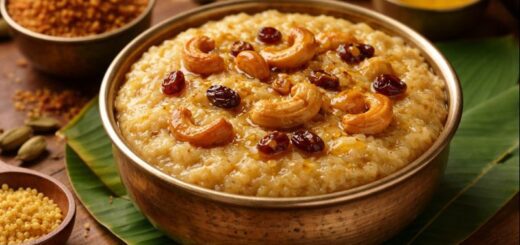
In this recipe, you’ll learn how to make a simple and instant *Pooja Prasadam* perfect for Maha Shivaratri. Even if you’ve never cooked prasad before, you’ll find this quick, divine, and deeply traditional.
Why This Prasadam Matters
Maha Shivaratri is celebrated in honor of Lord Shiva, symbolising the overcoming of darkness and ignorance in the world. Devotees fast and offer special food to Lord Shiva — including Panchamrit, Thandai, Kheer, halwas, and fruits — as an expression of devotion. Understanding Maha Shivaratri Pooja Prasadam is essential.
Therefore, these offerings are believed to be favoured by Shiva and are spiritually uplifting for worshippers during the festival.
Ingredients
- Milk (Full Fat): 2 cups (480 ml)
- Jaggery (grated): 1/2 cup (100 g)
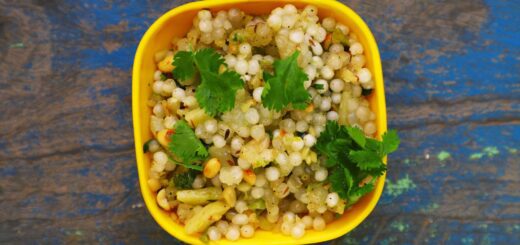
- Sabudana (tapioca pearls): 1/2 cup (soaked)
- Coconut (fresh grated): 1/4 cup
- Ghee (clarified butter): 1 tablespoon (15 ml)
- Cardamom powder: 1/2 tsp
- Chopped almonds & pistachios: 2 tbsp
- Saffron strands (optional): few strands
Step-by-Step Instructions
Step 1: Soak Sabudana
Wash and soak the sabudana in enough water for 10–15 minutes until soft. Drain excess water. This short soaking helps it cook evenly. (10 mins)
Step 2: Heat Milk & Add Sabudana
Pour milk into a heavy-bottomed pan and bring to a gentle boil on medium flame. Add the soaked sabudana, stirring constantly to avoid sticking. (5 mins) This relates to Maha Shivaratri Pooja Prasadam.
Step 3: Sweeten with Jaggery
Lower the flame and add grated jaggery. Stir slowly until it fully dissolves into the milk mixture. (3 mins)
Step 4: Add Flavour
Mix in cardamom powder, grated coconut, saffron (if using), and chopped nuts. Stir well to distribute flavours evenly. (2 mins)
Step 5: Simmer and Finish
Continue simmering on low heat until sabudana becomes translucent and the mixture thickens to a creamy consistency. This should take another 10–12 minutes. Finally, add ghee and give it a final stir. (10–12 mins) Learn more about Maha Shivaratri Pooja Prasadam.
Pro Tips From My Kitchen
- If your sabudana looks too thick, add 1–2 tablespoons of warm milk to thin it.
- I like to toast the nuts lightly in ghee before adding for extra aroma — Shiva seemed to favour this richer texture when I offered it at home.
- Gently heat jaggery with a splash of water before adding to avoid clumps.
- For kids, adding a pinch of cardamom makes this prasadam more aromatic and loved by all ages.
Chef’s Notes
Substitutions
- If you don’t have sabudana, you can substitute with cooked rice kheer or makhana (fox nuts) kheer — both are traditional Shivaratri offerings.
- Use rock sugar (mishri) instead of jaggery for a more ritual-pure prasadam.
Storage Tips
This prasadam can be stored in the refrigerator for up to 24 hours. Reheat gently before offering as naivedya — do not boil again as it changes the texture.
Nutrition Information (Approx. Per Serving)
| Calories | 220 kcal |
| Carbohydrates | 35 g |
| Protein | 6 g |
| Fat | 8 g |
| Sugar (natural): | 18 g |
Other Traditional Maha Shivaratri Prasadams You Can Offer
Apart from the instant sweet sabudana jaggery kheer above, temples and devotees traditionally prepare Panchamrit — a sacred mix of milk, curd, ghee, honey and jaggery — for abhishekam and offering.
Many families also prepare Panchamrita Traditional Overview for Lord Shiva’s abhishek, and other prasadam items like rice kheer, makhana kheer, halwas, and fruits to complete the worship experience.
Personal Shivaratri Experience
When I visited a Maha Shivaratri celebration at a local temple, what surprised me was how deeply every family made their prasad with care and devotion. Each kitchen had its own variation — yet the essence was the same: pure, simple ingredients offered with a heart full of reverence.
However, i personally recommend offering prasadam freshly made rather than pre-packaged, as the energy of your chanting and devotion becomes infused into the food, creating a memorable experience for worshippers and family alike.
Frequently Asked Questions
What Should Be Avoided in Maha Shivaratri Prasadam?
On Maha Shivaratri, ingredients like onion and garlic are traditionally avoided in prasadam because they are believed to stimulate passions rather than purity. Stick to satvik ingredients like milk, grains, jaggery, fruits, and nuts.
Can I Offer This Prasadam at Home?
Absolutely. Offer this prasadam after chanting Shiva mantras (like “Om Namah Shivaya”) and place it before the Shiva linga, idol, or picture with gratitude and devotion.
Is Sabudana Suitable for Fasting?
Yes — sabudana (tapioca pearls) is widely used in fasting recipes across India because it’s light, easy to digest, and considered acceptable during vrat days.