Pongal Recipe Without Oil Easy Healthy Method
Pongal Recipe Without Oil Easy Cooking Process Instant Home
Pongal Recipe Without Oil brings you a healthier take on the traditional South Indian dish Pongal, made **without using any cooking oil or ghee** — perfect for those seeking a lighter meal without sacrificing flavor. Pongal is a classic comfort dish from Tamil cuisine traditionally made with rice and lentils, often cooked with ghee and spices, and served during the annual Pongal Festival, symbolizing prosperity and gratitude.
Recipe Card
| Prep Time | 10 mins |
|---|---|
| Cook Time | 25–30 mins |
| Servings | 4 people |
| Difficulty | Easy |
Ingredients (Exact Quantities)
- 1 cup raw rice (200 g)
- ½ cup yellow moong dal (100 g)
- 3 to 3½ cups water (750–875 ml)
- ½ teaspoon cumin seeds
- ¼ teaspoon asafoetida (hing) – optional
- 1 inch fresh ginger, finely grated
- 10–12 curry leaves
- ½ teaspoon black peppercorns (crushed slightly)
- Salt to taste (approx. ¾–1 teaspoon)
- 1 small green chilli (slit) – optional
- Freshly chopped coriander for garnish (optional)
Step-by-Step Instructions
Step 1: Prepare The Rice & Dal (2 Minutes)
Wash the raw rice and moong dal together in cold running water until the water runs clear. This helps remove excess starch and prevents the Pongal from becoming too gummy.
Step 2: Dry Roast Moong Dal (Optional But Recommended – 3 Minutes)
Heat a heavy-bottomed pan on medium heat. Add the moong dal and dry roast for about 2–3 minutes until it smells slightly nutty. This enhances the aroma and improves texture. Understanding Pongal Recipe Without Oil is essential.
Step 3: Cooking Rice and Dal (Pressure Cooker – 15−18 Minutes)
Transfer the washed rice and roasted dal to a pressure cooker. Add 3 cups of water (add extra if you want a softer, porridge-like consistency), grated ginger, cumin seeds, black peppercorns, asafoetida, salt, curry leaves, and slit chilli (if using).
Close the lid and cook on medium heat until you hear 3–4 whistles (approx. 12–15 minutes). Turn off the heat and allow the pressure to release naturally. The mixture should be soft and mushy.
Step 4: Mash And Adjust Consistency (2 Minutes)
Carefully open the lid. Use a ladle to gently mash the cooked rice and dal to your desired consistency. If the Pongal is too thick, add hot water (¼–½ cup) and stir through to reach a bowl-like, creamy texture. This relates to Pongal Recipe Without Oil.
Step 5: Final Stir And Garnish (1 Minute)
After adjusting the consistency, sprinkle freshly chopped coriander leaves and a squeeze of lemon juice (optional) for a fresh finish. Serve hot immediately.
Nutrition Information (Per Serving)
| Nutrient | Approx. Value |
|---|---|
| Calories | 296 kcal* |
| Carbohydrates | ~225–240 g |
| Protein | ~40–45 g |
| Fat | ~3–5 g (minimal, from dal) |
| Fiber | ~6–8 g |
*Nutrition data based on a typical Pongal dish — **without added ghee or oil**. General reference from a similar Pongal nutrition profile.
Pro Tips From Personal Cooking Experience
- When I visited my grandmother in Chennai during Pongal festival, she always similar prepared Pongal but added a spoon of ghee right before serving. For this oil-free version, a squeeze of lemon or fresh coriander gives brightness that balances the simplicity.
- What surprised me most was how creamy and satisfying Pongal can be even without oil — the crushed black pepper and ginger add warmth and flavor that you don’t miss the fat at all.
- If you like extra spice, toss in a pinch of turmeric for color and anti-inflammatory benefits.
- Always use freshly crushed peppercorns instead of pre-ground pepper for better taste and aroma.
Chef’s Notes
Substitutions
- If you don’t have yellow moong dal, you can use split masoor dal, though texture will vary slightly.
- Instead of rice, you can experiment with broken rice or parboiled rice; just adjust water accordingly.
- For a gluten-free boost, adding a tablespoon of broken millet can increase fiber content.
Storage Tips
- Leftover Pongal can be refrigerated in an airtight container for up to 2 days.
- Reheat gently on the stovetop with a splash of hot water to loosen the texture.
- This dish doesn’t freeze well — the rice and dal become too soft upon thawing.
Frequently Asked Questions
Can I Make Pongal Without A Pressure Cooker?
Yes! In a heavy-bottomed pot, add the washed rice and dal with about 4–5 cups water. Cook over medium heat, stirring often to prevent sticking. It will take about 30–35 minutes for the rice and dal to soften sufficiently. Learn more about Pongal Recipe Without Oil.
Why Is My Pongal Sticky Or Mushy?
Sticky Pongal usually results from not roasting the dal or adding too much water. Roast the dal lightly and adjust water quantity based on your desired consistency.
Can I Serve This Pongal For Festivals?
Absolutely. If you want to serve it as a festival offering (prasadam), consider making a separate batch with a small amount of ghee at the very end (not in the main oil-free cooking step) or keep this version as the healthier option.
Serving Suggestions
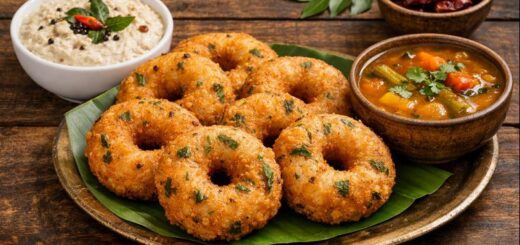
Traditionally, Pongal is served with coconut chutney or sambar on the side. Pair this oil-free Pongal with a cooling yogurt dip or tomato chutney for a balanced meal.
By embracing this healthier variation of Pongal, you can enjoy the beloved South Indian dish as a wholesome breakfast or light meal without compromising on cultural authenticity or flavor. Every bowl feels comforting, nourishing, and perfectly suited to both everyday meals and festive tables when you want a lighter touch.