Sankranti Special Recipes: Festive Sweets & Snacks Guide
These sankranti special recipes bring the harvest festival straight into your kitchen, from a pot of bubbling Chakkarai Pongal to crunchy til-and-jaggery treats. Sankranti honours the new harvest, so almost every dish leans on fresh rice, sesame seeds, and dark jaggery. Because the festival travels across many regions, the spread shifts as you move around India. Yet a handful of classics turn up on nearly every table, and this guide walks you through them one by one.
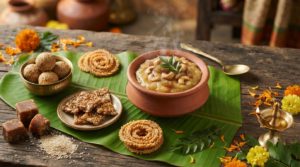
A festive Sankranti spread of sweet Pongal, til laddu, chikki and sesame with fresh jaggery.
Makar Sankranti falls on 14 January in most years, with parts of the Telugu-speaking south marking it on 15 January. The day welcomes Uttarayana, the sun’s northward turn, and families cook to thank the fields for a good season. Sweet, sticky, warming food sits at the heart of it all.
Sankranti Special Recipes at a Glance
Short on time? Here is the festive menu most homes build their day around.
- Chakkarai Pongal — sweet rice and moong dal cooked in jaggery and ghee.
- Ven Pongal — the savoury, peppery cousin served for breakfast.
- Ariselu / Adhirasam — deep-fried rice-flour and jaggery discs.
- Til-jaggery sweets — chikki, til laddu, and Maharashtrian tilgul.
- Bobbatlu / Puran Poli — stuffed sweet flatbread with a lentil-jaggery filling.
- Sakinalu and murukku — crisp, savoury rice-flour snacks.
Each of these sankranti special recipes has a story, a region, and a few tricks that decide whether it turns out well. Let us start with the reason sesame and jaggery dominate the whole festival.
Why Sesame and Jaggery Rule the Sankranti Table
Sesame and jaggery are the signature pairing of Sankranti, because both bring warmth during the coldest stretch of winter. Sesame is rich in healthy fats, while jaggery adds slow-release sweetness and iron. Together they became the festival’s edible symbol of goodwill.
In Maharashtra, people share tilgul and say a lovely line that means “eat this sweet and speak sweetly”. So the food carries a message, not just flavour. Fresh sugarcane, new rice, and winter greens round out the seasonal spread since the harvest has just come in. That spirit of sharing is exactly what the finest sankranti special recipes are built to carry from one home to the next.
The Star Dish: Chakkarai Pongal (Sweet Pongal)
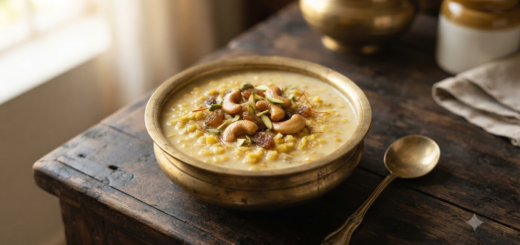
Chakkarai Pongal, also spelled Sakkarai Pongal, is the single most important dish of the day. It is a pudding of newly harvested rice and moong dal, cooked until soft, then sweetened with melted jaggery and finished with ghee, cashews, cardamom, and raisins. Many families cook it in a clay pot and let it boil over on purpose, shouting “Pongalo Pongal” as it rises.
The trick is the jaggery syrup. Melt the jaggery separately, strain out any grit, then fold it into the cooked rice off the heat so the mixture does not turn grainy. Add the ghee in stages, because a generous hand here gives that glossy, spoon-coating finish. If you want a temple-style offering, this dish doubles beautifully as festival prasadam.
Savoury Ven Pongal for the Morning Feast
Not every Sankranti dish is sweet. Ven Pongal is the savoury version, made from rice and moong dal tempered with black pepper, cumin, ginger, curry leaves, and ghee-roasted cashews. It is comfort food at its most soothing.
Serve it hot with coconut chutney and sambar for a proper festive breakfast. Because it is gentle on the stomach, Ven Pongal also works well for elders and children at the table. Roast the moong dal lightly first, since that single step deepens the aroma of the whole dish.
Ariselu and Adhirasam: The Jaggery-Rice Sweet
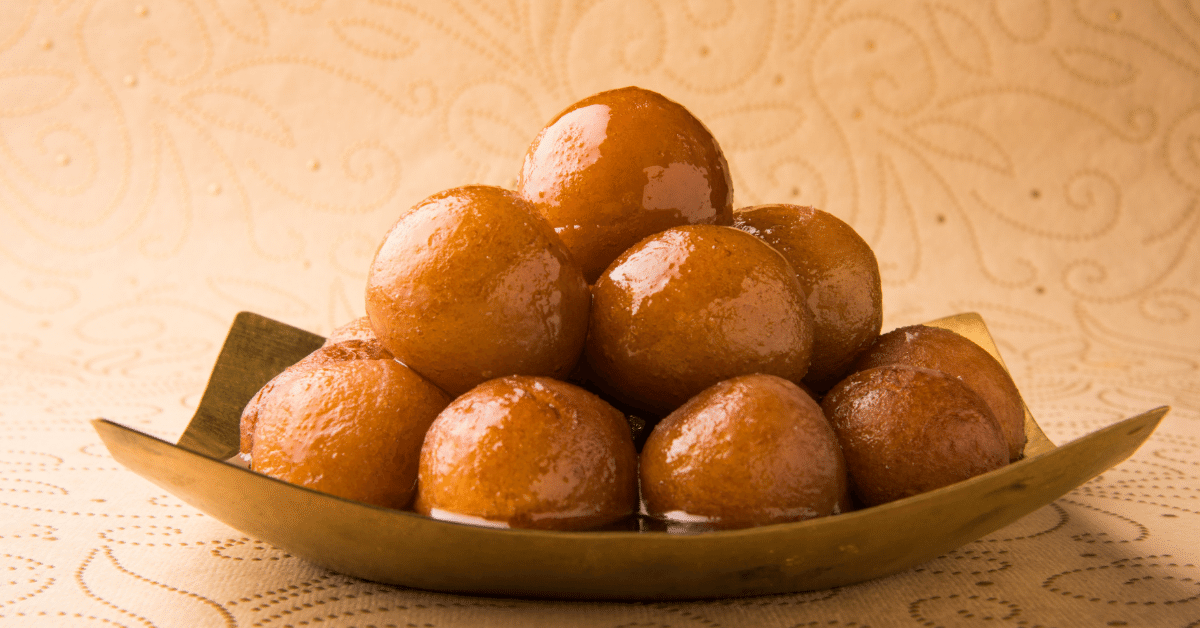
Ariselu in Telugu, Adhirasam in Tamil, and Anarsa in Marathi all describe the same beloved sweet. Soaked rice is ground, mixed with jaggery syrup, rested, then shaped into discs and deep-fried until deep brown and chewy. The result is dense, fudgy, and unmistakably festive.
This is the recipe that intimidates first-timers, and for good reason. The jaggery syrup must reach a soft-ball stage, or the dough will not hold. Fry on a medium flame, because a very hot pan browns the outside before the centre cooks. Rest the fried discs on a slotted press to squeeze out extra oil while they are still warm.
Til and Jaggery Sweets: Chikki, Laddu and Tilgul
If you make only one thing this Sankranti, make a til sweet. Chikki is a brittle of roasted sesame or peanuts set in hardened jaggery, while til laddu rolls the same idea into soft balls. Maharashtrian tilgul, tiny sugar-coated sesame pearls, is handed out to friends and neighbours.
Roast the sesame gently until it pops and smells nutty, then keep it aside. Cook the jaggery to the right thread stage, which decides whether your chikki turns out crisp or sticky. Work fast once you pour, since jaggery hardens within minutes. These make some of the easiest sankranti special recipes for beginners, so start here if you feel unsure.
Bobbatlu, Boli and Puran Poli
This stuffed sweet flatbread wears many names across India. Telugu homes call it bobbatlu, Tamil kitchens say boli, and Maharashtra knows it as puran poli. A soft dough is wrapped around a filling of cooked chana dal and jaggery, then rolled thin and toasted on a griddle with ghee.
The filling, called puran, needs to be dry enough to roll yet moist enough to stay soft. Grind it smooth, and cook out extra moisture before you fill the dough. It pairs wonderfully with warm payasam with boli, a classic festival duo in many southern homes.
Crunchy Sankranti Special Recipes: Sakinalu and Murukku
Sweets get the spotlight, yet the savoury snacks keep the festival balanced. Sakinalu are delicate concentric spirals of spiced rice flour, deep-fried until crisp, and they are a Sankranti signature across northern Telangana. Murukku and chakli follow a similar rice-and-lentil-flour idea in other regions.
Add ajwain and sesame to the dough for that authentic aroma. Keep the flame moderate, because these thin snacks scorch quickly. Store them in an airtight tin, and they stay crunchy through the whole festive week. Among all the sankranti special recipes, these travel best as gifts.
Sankranti Special Recipes: A Region-by-Region Food Map
Sankranti is one festival with many names and menus. The table below shows how the plate changes as you cross the country.
| Region / Festival | Signature Dish | Type | Key Ingredients |
|---|---|---|---|
| Tamil Nadu (Pongal) | Chakkarai Pongal | Sweet | Rice, moong dal, jaggery, ghee |
| Andhra & Telangana | Ariselu, Sakinalu | Sweet & savoury | Rice flour, jaggery, sesame |
| Maharashtra | Tilgul, Puran Poli | Sweet | Sesame, jaggery, chana dal |
| Gujarat (Uttarayan) | Undhiyu, Chikki | Savoury & sweet | Winter vegetables, sesame |
| West Bengal (Poush) | Pithe, Patishapta | Sweet | Rice flour, coconut, date palm jaggery |
| North India | Khichdi, Gajak | Savoury & sweet | Rice, dal, sesame, jaggery |
Notice the constant thread: rice, sesame, and jaggery appear almost everywhere, even as the shapes and names change. Wherever you cook, the best sankranti special recipes still celebrate that same shared harvest bounty.
Easy Sankranti Special Recipes for Busy Cooks
Working through a full festive menu is a lot, so pick your battles wisely. Sweet Pongal, til laddu, and chikki are the quickest wins, and each needs only a handful of pantry staples. You can prepare the jaggery-based sweets a day ahead, because they keep well at room temperature.
Ariselu and bobbatlu take more patience, so save them for the morning if you have help in the kitchen. A jaggery-glazed treat such as steamed banana in jaggery gives you a fast, wholesome sweet when time runs short. Plan your shopping list a week early, since fresh jaggery and good sesame sell out fast before the festival.
Common Mistakes to Avoid With Sankranti Special Recipes
Most Sankranti cooking mishaps come down to jaggery. Impure jaggery carries grit, so always melt and strain it before adding it to any dish. If your syrup is undercooked, chikki stays sticky, while an overcooked syrup turns it bitter.
For Pongal, adding jaggery while the pot is on high heat can split the ghee and curdle the milk. Take the pot off the flame first. When frying ariselu or sakinalu, a crowded pan drops the oil temperature and leaves the snacks oily, so fry in small batches instead. Master these small habits, and the fried sankranti special recipes reward you with a crisp, professional finish.
A Quick Note on Sugar and Health
Festive food is meant to be enjoyed, though it does lean heavy on jaggery, ghee, and fried snacks. Jaggery is a whole sweetener, yet it still counts as sugar, so anyone managing diabetes should treat these sweets as an occasional treat. Balance the day with fruit, water, and lighter meals around the celebration.
If you have specific dietary concerns, a quick word with your doctor or dietitian is wise before a full festive spread. The joy of Sankranti lies in sharing, not in overloading a single plate.
Myths About Sankranti Special Recipes, Corrected
A few popular beliefs about these dishes simply do not hold up. Many people assume Chakkarai Pongal uses white sugar, when authentic recipes rely on jaggery for that deep caramel note. The name itself, “chakkarai”, points to the sweetener rather than plain sugar.
Another myth treats ariselu and adhirasam as different sweets, though they are the same dish under regional names. People also confuse the date every year. The solar transition is astronomically fixed around 14 January, while local tradition sometimes observes it a day later, which you can confirm on a reliable panchang.
Before You Start Cooking
Sankranti food rewards a little planning and a lot of warmth. Choose two or three dishes that suit your time and skill, gather good jaggery and fresh sesame, and cook without rushing. Start with the easy til sweets, then build up to Pongal and the fried classics as you gain confidence. With a calm plan, these sankranti special recipes come together far more smoothly than they first appear.
Above all, remember why the festival exists: gratitude for the harvest and sweetness shared with others. Cook a little extra, and send some across to your neighbours in true Sankranti spirit.
Frequently Asked Questions
What are the most popular sankranti special recipes?
The most popular dishes are Chakkarai Pongal, Ven Pongal, ariselu, til-jaggery sweets like chikki and laddu, bobbatlu or puran poli, and savoury sakinalu. Sweet Pongal is the centrepiece, since it uses the freshly harvested rice the festival celebrates.
Why do sankranti special recipes use jaggery, not sugar?
Jaggery is the traditional sweetener because it is a whole, unrefined product of the sugarcane harvest that Sankranti honours. It also adds warmth, iron, and a deep caramel flavour that white sugar cannot match. Most authentic festive sweets are built around it.
What sweet is offered as prasadam on Sankranti?
Chakkarai Pongal, the sweet jaggery-rice dish, is the classic offering to the Sun God on Sankranti. Many homes also prepare payasam and jaggery-based sweets as prasadam. The dish is cooked fresh and offered before the family eats.
Is Pongal the same as khichdi?
They share rice and dal, yet they are not the same. Sweet Pongal is a jaggery dessert, while Ven Pongal is peppery and savoury. Khichdi, common in North India during Sankranti, is a lighter, spiced rice-and-dal dish eaten with curd.
Which sankranti special recipes can I make ahead of time?
Til laddu, chikki, sakinalu, and ariselu all store well for several days in airtight containers. Prepare these a day or two early, so festival morning is free for hot dishes like Pongal and bobbatlu. Fresh jaggery sweets actually taste better after resting.
What savoury dishes are made for Sankranti?
Ven Pongal, sakinalu, murukku, chakli, and Gujarati undhiyu are the main savoury options. North Indian homes also make a simple khichdi. These balance the many sweets on the festive table.
When is Makar Sankranti celebrated?
Makar Sankranti falls on 14 January in most years, marking the sun’s entry into Capricorn and the start of Uttarayana. Some Telugu-speaking regions observe it on 15 January. It is one of the few Hindu festivals fixed by the solar calendar.
Are Sankranti sweets suitable for everyone?
They are festive treats rich in jaggery, ghee, and fried elements, so they suit most people in moderation. Anyone managing diabetes or other conditions should enjoy small portions and consult a doctor if unsure. The spirit of the festival is sharing, not excess.
For festival dates and timings, you can check Drik Panchang, and for background on the festival itself, see Makar Sankranti.