Rava Kesari Bath Types: Best Rava Kesari Bath Types For
Rava Kesari Bath Types Differences Cooking – Best Rava For Kesari Bath
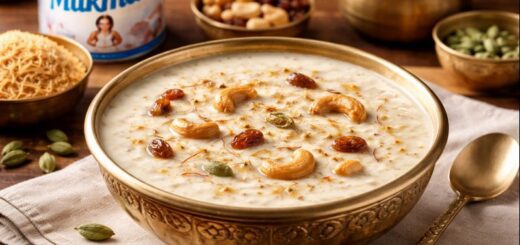
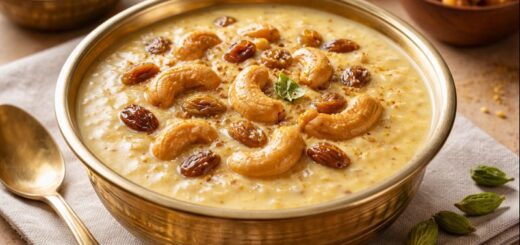
Rava Kesari Bath Types Differences Cooking explores the best types of rava (semolina) for making the classic South Indian sweet Kesari Bath, how each variety affects texture, flavor and cooking time, and includes a detailed recipe you can follow step-by-step. Also called Kesari bath, this dessert is made by roasting semolina in ghee, then cooking it with sugar, water or milk, and garnishing with nuts and spices like cardamom and saffron.
🍯 Recipe Card
| Prep Time | 10 mins |
| Cook Time | 25 mins |
| Total Time | 35 mins |
| Servings | 6 servings |
| Difficulty | Medium |
🧾 Ingredients (Exact Quantities)
- 1 cup fine rava/semolina (see Types section below)
- 2.5 cups hot water (or 1.5 cups water + 1 cup milk)
- ¾–1 cup sugar (190–200 g)
- 6 tbsp ghee (clarified butter)
- 15 cashew nuts
- 15 raisins
- ¼ tsp cardamom powder
- Saffron strands or a pinch of natural orange color (optional)
⭐ Best Rava Types For Kesari Bath
Bombay Rava (Fine Semolina)
This is the most commonly recommended rava for soft, melt-in-mouth Kesari Bath. It’s finer in texture, absorbs liquid evenly, and reduces clumping. It yields a smooth, creamy pudding rather than grainy bits.
Chiroti Rava (Extra Fine)
This ultra-fine rava produces the softest Kesari Bath, often used in Karnataka style Kesari Bath. However, it can cook faster, so attentive stirring is important to prevent sticking. Understanding Rava Kesari Bath Types is essential.
Coarse Rava
Coarser semolina will yield a thicker, textured Kesari Bath. If using coarse rava, increase water quantity slightly by ¼–½ cup and roast a bit longer to soften. The end result has a rustic bite.
👩🍳 Step-By-Step Instructions With Timings
1) Roast The Nuts & Rava (5–7 mins)
Heat 3 tbsp ghee in a heavy bottom pan on medium flame. Add cashews and fry until golden (about 2 mins). Add raisins and sauté until plump. Remove and set aside. Add the rava to remaining ghee and roast on low-medium, stirring continuously until fragrant and slightly golden (4–5 mins). Do not brown or burn.
2) Boil Liquids (3–4 mins)
In a separate saucepan, bring the hot water (plus milk if using) to a rolling boil. Add saffron strands to infuse color and aroma. This step ensures the rava stays smooth and cooks evenly. This relates to Rava Kesari Bath Types.
3) Add Liquids To Rava (5 mins)
Slowly pour boiling liquid into the roasted rava while stirring constantly. This prevents lumps. Cook on medium flame until the rava absorbs most of the liquid and softens (5 mins).
4) Add Sugar & Cook (5–6 mins)
Add sugar and keep stirring. Sugar dissolves and loosens the mixture initially, then thickens again. Stir until the Kesari starts leaving the sides of the pan and becomes glossy.
5) Add Flavor & Serve (2–3 mins)
Add cardamom powder, fried nuts, and remaining ghee. Mix well for shine and richness. Remove from heat while still slightly running — it will set further as it cools. Learn more about Rava Kesari Bath Types.
🍽️ Pro Tips From Experience
- Always roast rava until aromatic – this deepens flavor. I learned this while cooking with my grandmother; under-roasted rava yields a raw taste.
- Hot water is key. Cold liquid causes lumps. Pre-heat your liquid while roasting rava.
- If you prefer ultra-soft Kesari Bath, use fine Bombay rava — coarser grains make it chewier.
- For natural color and fragrance, soak saffron in warm milk for 5 minutes before adding.
- Stir constantly after adding sugar — this prevents graininess.
📌 Chef’s Notes
Substitutions
For sweetening alternatives, jaggery can be used instead of sugar, adding a deeper, caramel-like flavor (use 1 cup jaggery dissolved in warm water).
Storage Tips
Store leftover Kesari Bath in an airtight container in the refrigerator for up to 2 days. Reheat gently on stovetop or microwave with a splash of milk to regain creaminess.
🥣 Nutrition Information (Per Serving)
| Nutrient | Amount |
|---|---|
| Calories | ~280–320 kcal |
| Carbohydrates | 45–50 g |
| Fat | 12–18 g |
| Protein | 4–5 g |
| Fiber | 1–2 g |
(Approximate values, based on traditional Rava Kesari nutrition estimates.)
🍍 Popular Kesari Bath Variations
- Milk Kesari: Uses milk instead of water for richer texture and flavor.
- Pineapple Kesari: Fresh pineapple pieces add a tangy sweetness.
- Mango Kesari: Seasonal mango puree folded in after cooking enhances sweetness.
- Semiya Kesari: Replace rava with vermicelli for a slightly chewy texture.
❓ FAQs About Rava Kesari Bath Types
Why Does Rava Kesari Have Different Names?
In South India, it’s widely known as Kesari Bath or Rava Kesari, while the North Indian version called Suji Ka Halwa is similar but often less orange and sometimes uses slightly different ratios.
Can I Make It Without Ghee?
Yes, you can substitute with neutral oil, but ghee gives the best flavor and shine.
Why Use Fine Rava?
Fine rava absorbs liquid quickly and yields a smooth, soft pudding. Coarse rava makes the dish more textured and rustic.
🙏 My Kesari Bath Story
When I visited my aunt in Karnataka, I saw her make Kesari Bath with chiroti rava, and the texture was astonishingly soft — unlike any I’d made before. That experience taught me how significantly the rava type changes the dish’s end result; fine rava makes it creamy, coarse gives bite, and extra fine makes it cloud-like in texture.
What surprised me most was how even small changes in water quantity and roasting time shifted the final texture dramatically. I personally recommend starting with Bombay rava to master the balance of creaminess and structure in Rava Kesari Bath.