Tomato Kurma Without Onion and Garlic: Easy Recipe
Tomato kurma without onion is a tangy South Indian curry that also skips garlic. Ripe tomatoes, coconut, roasted gram and warm spices make a gravy for dosa, idli, chapati or rice. This refresh keeps the original six-step recipe while clarifying which timings and substitutions still need kitchen testing.
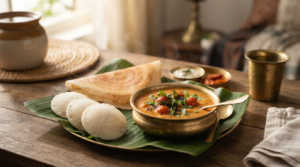
Homemade tomato kurma without onion and garlic, prepared with ripe tomatoes, coconut, roasted gram and aromatic spices. Perfect with dosa, idli or chapati.
Tomato Kurma Without Onion at a Glance
- Style: South Indian thakkali kurma, with no onion or garlic in the listed ingredients.
- Base: 500 g ripe tomatoes, grated coconut and roasted gram (pottukadalai).
- Original time estimate: 15 minutes to prepare and 30 minutes to cook, or about 45 minutes total. These figures have not been independently timed during this refresh.
- Yield: Approximately 4–5 side-dish portions, depending on serving size and added water; not independently measured.
- Diet note: Onion-free does not automatically mean suitable for every religious fast or food allergy.
Why This Tomato Kurma Works Without Onion and Garlic
This tomato kurma without onion follows the familiar South Indian thakkali kurma idea. Coconut lends body, while roasted gram helps the sauce hold together. Meanwhile, softened tomatoes supply the tang that might otherwise get lost in a mild gravy.
The original recipe uses cumin, coriander, fennel, cardamom and cloves for aroma. That spice mix gives the curry depth without relying on onion or garlic. The result should be spoonable, not watery, so the amount of added water matters.
Choosing Tomatoes for a Better Kurma
Choose ripe tomatoes that feel heavy for their size and smell fresh at the stem end. Very firm, under-ripe tomatoes may need longer cooking before they soften into a sauce. Keep the juice and seeds when chopping, because their liquid becomes part of the gravy.
When the tomato pieces still look raw and sharply separate from the paste, continue cooking them gently. A longer simmer may help the flavours blend, although the exact time depends on the tomatoes and your pan. You do not need to peel them for the original recipe. For a smoother gravy, simply chop them finer before cooking.
Ingredients for Tomato Kurma Without Onion
For the coconut masala paste
- ⅓ cup freshly grated coconut
- 2 tbsp roasted gram (pottukadalai or roasted chana dal, not raw chana dal)
- 3–4 green chillies, adjusted to taste
- ½ tsp cumin powder
- 1 tsp coriander powder
- ½ tsp fennel seeds
- 2–3 cardamom pods
- 2 cloves
- ¼ tsp turmeric powder
- Water for grinding, as needed; the original recipe allowed 1–1½ cups, but do not add it all at once
For the tomato gravy
- 2 tbsp cooking oil, neutral or coconut oil
- 1 tsp cumin seeds
- ½ tsp mustard seeds
- 1 bay leaf
- 500 g ripe tomatoes, finely chopped
- Salt to taste
- Additional water only as needed; the original recipe listed 1–1½ cups
- 2 tbsp chopped coriander leaves, for finishing
Water adjustment: The two water amounts above are allowances, not compulsory additions. Start with enough water to run your blender. Later, thin the gravy little by little, because tomatoes also release liquid as they cook. This adjustment has not undergone a separate measured recipe trial.
How to Make Tomato Kurma Without Onion: Six Steps
Use the appearance and texture of the ingredients as your guide, rather than relying only on the old minute-by-minute timings. Pan size, tomato ripeness and blender strength all affect the result. The preparation and cooking times shown earlier remain estimates, not tested guarantees.
- Grind the coconut spice paste. Put grated coconut, roasted gram, chillies, cumin powder, coriander powder, fennel, cardamom, cloves and turmeric in a blender. Add water gradually and grind to a smooth, medium-thick paste. If your blender struggles, add another small splash.
- Temper the spices. Heat the oil in a heavy-bottomed kadai over medium heat. Add cumin seeds, mustard seeds and the bay leaf. Let the seeds sizzle briefly, then lower the heat if the spices start to darken.
- Cook the tomatoes. Add the chopped tomatoes and stir often. Cook until they soften and begin to break down. If they catch at the bottom, reduce the heat and add a spoonful of water.
- Stir in the masala. Add the ground coconut paste and salt. Mix well so the paste spreads evenly through the tomatoes. Simmer gently until the raw spice aroma mellows, stirring to prevent sticking.
- Adjust the gravy. Pour in a little additional water only if the kurma looks too thick. Bring it to a steady simmer, then cook until the gravy coats a spoon. If it is too thin, simmer uncovered and stir more often.
- Finish and serve. Turn off the heat and add coriander leaves. Let the pan sit covered briefly, then taste and adjust the salt. Serve hot with your preferred breakfast or rice dish.
Cooking checks before serving
Important: The original post gave fixed times for each stage. Those timings have not been re-tested, so visual cues are more reliable than a stopwatch here. Do not assume oil separation is necessary before this coconut-based gravy is ready.
How Thick Should the Kurma Be?
For dosa or idli, a loose gravy that spreads across the plate usually works well. Chapati often pairs better with a thicker sauce that clings to each bite. Neither texture requires a different spice paste; adjust the liquid after the tomatoes soften.
| Problem | Likely reason | Practical fix |
|---|---|---|
| Too watery | Water added too quickly | Simmer uncovered; stir often |
| Too thick | Roasted gram absorbed liquid | Add small splashes of hot water |
| Too sharp or sour | Very tart tomatoes | Cook tomatoes until fully soft; taste before changing the spice mix |
| Grainy paste | Coconut not blended finely | Blend longer with enough water for the blades to move |
These are practical kitchen adjustments, not results from a controlled test of this recipe. If your tomatoes taste especially sour, avoid adding more water just to dilute them. That often makes the gravy thin without fixing the flavour.
Serving Tomato Kurma Without Onion
This tomato kurma without onion pairs beautifully with dosa, idli or uttapam at breakfast. It also suits steamed rice, ghee rice or pulao for lunch. Chapati, roti and paratha work when you keep the sauce a little thicker.
For a different dosa accompaniment, see the site’s tomato kurma for dosa recipe. That separate version contains onion and garlic, so it is not a substitute for restricted no-onion cooking.
Substitutions: What Has Not Been Tested
Fresh coconut, roasted gram and whole spices are the original recipe’s core ingredients. The older article also suggested alternatives, but their exact amounts and cooking behaviour have not been tested for this refresh. Treat the ideas below as experiments rather than proven one-for-one swaps.
- Desiccated coconut: The earlier post suggested rehydrating it in warm water. It may change the texture, so start with a small batch and adjust the water.
- Cashew paste: The old suggestion was 6–8 soaked cashews, blended. This is an untested richer variation and introduces a tree-nut allergen.
- Bay leaf: A short piece of cinnamon was suggested as an alternative. The aroma will differ, and this swap has not been trialled here.
- Without coconut: The sauce may lose some body. Extra roasted gram could make it thicker, but no tested replacement ratio is available.
- Yoghurt: The earlier FAQ proposed a spoonful as an alternative. That changes the recipe to dairy-containing, may curdle in hot acidic gravy and has not been tested.
For another recipe direction, compare the separate tomato kurma without coconut. That page includes onion and garlic, so its ingredient list needs its own review. The site’s coconut-milk kurma also includes onion and garlic as written.
Allergens and Dietary Restrictions
Tomato kurma without onion still contains coconut and roasted gram, which comes from chickpeas. Some people react to these ingredients even if a food lacks a major-allergen warning. The optional cashew variation adds tree nuts, while yoghurt introduces milk.
Check packaged spices, coconut products and roasted gram for ingredient warnings and cross-contact statements. Use clean tools if cooking for someone with a diagnosed food allergy. For broader label-reading advice, consult the US Food and Drug Administration’s food-allergy guidance.
The base ingredient list contains no dairy or meat when you use plant oil. Still, do not promise that the finished meal is allergen-free, gluten-free or vegan without checking every ingredient and its preparation.
Is Tomato Kurma Without Onion Suitable for Fasting?
Not automatically. Avoiding onion and garlic is only one rule in some Hindu food traditions. Religious fasts vary by family, region and observance, and some exclude tomatoes, roasted gram, everyday salt or particular spices.
For Ekadashi, Navratri or another vrat, check the rules you actually follow before choosing this dish. This specific recipe uses tomatoes, chickpeas and regular seasonings, so it should not carry a blanket fasting-friendly or vrat-approved label.
Safe Storage, Freezing and Reheating
Put leftover tomato kurma into clean, shallow containers and refrigerate promptly. The US Centers for Disease Control and Prevention advises refrigerating cooked leftovers within two hours. In heat above 32°C, shorten that window to one hour. Keep the fridge at 4°C or colder.
Properly chilled leftovers generally keep for three to four days, but eat them sooner if your storage conditions are uncertain. Freeze individual portions promptly for longer storage, then thaw in the refrigerator rather than on the counter. The coconut gravy may separate after freezing, so stir as it heats.
Reheat leftover gravy until it reaches a full boil, stirring so the middle also heats thoroughly. For leftovers, the FDA recommends 74°C (165°F). Never rely on smell alone to judge whether poorly stored food is safe.
Nutrition Information: Why There Is No Calorie Table
The previous post displayed calories, fat, carbohydrates, protein and fibre copied as estimates from similar vegetable kurmas. Those figures did not come from a calculation for this precise ingredient list, portion size or finished yield, so they have been removed.
Oil, coconut, roasted gram, optional cashews and serving size can all change the numbers. Anyone who needs precise nutrition details should calculate them from the actual measured ingredients and the number of portions served.
Before You Cook
Keep this tomato kurma without onion close to its original formula for your first attempt. Use ripe tomatoes, grind the paste well and control the added water. Most importantly, judge the curry by its taste and consistency, since the published cooking times are still estimates.
Frequently Asked Questions
Can I make tomato kurma without onion and garlic?
Yes. The main ingredient list omits both, while tomatoes, coconut, roasted gram and spices build the flavour. Check any prepared spice blends before using them, because ingredient lists can vary.
Can I make this kurma without coconut?
You can leave it out, but the gravy will change. Extra roasted gram or cashew paste may add thickness, although neither replacement has a tested ratio here. Cashews also introduce a tree-nut allergen.
Why did my tomato kurma turn watery?
The original ingredient list allowed a generous amount of water in two stages. Add it gradually instead, since tomatoes already release liquid. If the curry turns thin, simmer uncovered until it thickens.
Can I replace fresh coconut with dry coconut?
Desiccated coconut rehydrated in warm water was an option in the original article. However, its final texture has not been tested in this version. Try a small batch before relying on the change for guests.
Is this tomato kurma suitable for a vrat or fast?
Do not assume so merely because it has no onion or garlic. Some fasting customs restrict tomatoes, chickpeas, ordinary salt or certain spices. Match the ingredient list to your own observance.
Can I cook tomato kurma in a pressure cooker?
The stove-top method is the one described here. The old post suggested a fixed number of whistles without a confirmed test, so that instruction has been removed. A pressure-cooker version needs separate testing.
How many days does homemade tomato kurma last?
When you chill it promptly and keep it at 4°C or below, cooked leftovers generally last three to four days. If it sat out too long, discard it rather than extending storage. Bring the gravy to a boil when reheating.
Is this kurma gluten-free or nut-free?
Do not assign either label without checking the actual products and kitchen. Coconut and roasted gram are present, while an optional cashew swap adds tree nuts. Packaged ingredients can also carry cross-contact risks.