Rasam Recipe Without Tomato: Essential Rasam Recipe Without
Rasam Recipe Without Tomato And Tamarind Step By Step Easy
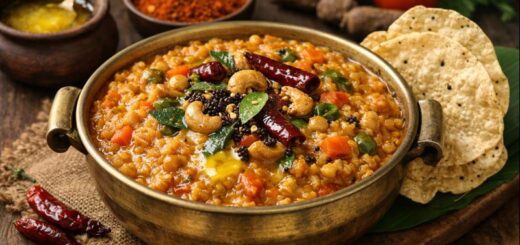
Rasam Recipe Without Tomato is a flavorful South Indian soup that defies one of the most common assumptions about rasam — that it *must* include tomato or tamarind for its classic tangy taste — and creates an aromatic broth using simple pantry ingredients and aromatic spices.
Also, if you’ve ever wondered how to make rasam without the sourness of tomatoes or tamarind — especially when those ingredients are out of season or unavailable — I’ve got you covered with a traditional-style recipe that brings warmth, digestion-friendly spices, and comfort to your table. I personally recommend this version when you want something light yet satisfying with rice or as a soup served on a cool evening.
This article combines authentic culinary knowledge — from regional South Indian practices like lemon rasam and dhaniya rasam — with personal tips I’ve learned through cooking and serving this dish at home. Understanding Rasam Recipe Without Tomato is essential.
Recipe Card
| Prep Time | 10 mins |
|---|---|
| Cook Time | 30 mins |
| Total Time | 40 mins |
| Servings | 4 people |
| Difficulty | Easy |
Ingredients (With Exact Quantities)
- ½ cup Toor Dal (split pigeon peas)
- 4 cups Water (for cooking dal and rasam consistency)
- 2–3 tablespoons Fresh Lemon Juice (adjust to taste)
- 1 tbsp Ghee or Neutral Oil
- ½ tsp Mustard Seeds
- ½ tsp Cumin Seeds
- ½ tsp Black Peppercorns (crushed)
- ¼–½ tsp Turmeric Powder
- 1–2 Green Chilies (slit)
- 4–5 Garlic Cloves (crushed)
- 1 sprig Curry Leaves
- 1 pinch Asafoetida (Hing)
- Salt to taste (about ¾ tsp)
- 2–3 tbsp Fresh Coriander Leaves (chopped)
Step-By-Step Instructions
1. Rinse and Cook the Dal
Rinse the toor dal under cold running water until the water runs clear. Add to a pot with 2 cups of water and ¼ tsp turmeric. Cook on medium heat until the dal is soft and completely mashed — roughly 15–18 minutes. You can also pressure cook 3–4 whistles. Mash the cooked dal well and keep it aside.
2. Prepare the Aromatic Tempering
Heat 1 tbsp of ghee or oil in a deep pan over medium heat. Add mustard seeds and wait for them to crackle. Add cumin seeds followed by crushed black peppercorns, curry leaves, crushed garlic, and assaysfoetida. Sauté for about 1–2 minutes until the garlic turns light golden and the spices release their aroma.
3. Combine Cooked Dal and Spices
Add the mashed dal into the pan. Pour in 2 more cups of water and stir gently. Add the rest of the turmeric, salt, and green chilies. Stir everything together. Simmer this mixture on medium-low heat for around 8–10 minutes so that all the flavors meld together. This relates to Rasam Recipe Without Tomato.
4. Add Sourness With Lemon
Turn off the heat and slowly add 2–3 tablespoons of fresh lemon juice. Taste and add more lemon juice if needed. Lemon brings the tanginess that tomatoes or tamarind would traditionally provide. Serve hot.
5. Garnish and Serve
Sprinkle fresh coriander leaves on top. Rasam pairs beautifully with steamed rice, crisp papad, or as a comforting soup on its own.
Pro Tips From My Kitchen
- I remember when I first made this rasam on a rainy evening — the citrusy aroma combined with peppery warmth filled the kitchen and instantly lifted everyone’s mood.
- Always add lemon juice *at the end* to preserve its bright flavor and not make the rasam bitter.
- If you like extra spice, roast the peppercorns slightly before crushing them — it intensifies the heat.
Chef’s Notes
Substitutions
- If you prefer a different souring agent, *fresh lime* juice works just as well as lemon.
- No toor dal? You can use *moong dal* (yellow split gram) — it cooks faster and gives a lighter texture.
- No fresh lemons? A spoon of *amchur (dry mango powder)* or a splash of *vinegar* can be used sparingly (about 1–2 tsp), but taste carefully.
Storing Leftovers
Cool rasam completely and store in an airtight container in the refrigerator up to 2 days. Reheat gently on the stovetop or microwave. Avoid freezing citrus-based rasam because lemon flavor can degrade. Learn more about Rasam Recipe Without Tomato.
Nutrition Information (Per Serving)
| Nutrient | Amount |
|---|---|
| Calories | 90–110 kcal |
| Protein | 4–5 g |
| Carbohydrates | 15–18 g |
| Fat | 3–4 g |
| Fiber | 3–4 g |
| Vitamin C | 10–15 mg (from lemon) |
This recipe’s nutrition profile is estimated based on ingredient weights from general nutrition databases like USDA FoodData Central and typical South Indian recipe analysis. You get lean protein from dal, vitamin C from lemon juice, and digestive benefits from spices like cumin and black pepper.
Why This Works
The beauty of Rasam — whether traditional or without tomato — lies in its simplicity and adaptability. According to Wikipedia, rasam is a *spicy South Indian soup-like dish* served with rice, with variations depending on regional tastes.
Here, lemon replaces the usual tomato or tamarind sourness, and spices like black pepper and cumin not only add depth of flavor but promote digestion — a hallmark reason rasam is served at the end of a meal in many South Indian homes.
Frequently Asked Questions
Can I make this rasam without lentils?
Yes. There are variations like pepper rasam (milagu rasam) that skip dal entirely and rely on spice decoction and lemon juice. But the version here uses dal for body and nutrition.
Is this rasam vegan?
Yes. Use oil instead of ghee to keep it completely vegan.
Can I make this gluten-free?
Absolutely. All ingredients here are naturally gluten-free.