Iyengar Style Rava Kesari – Best Easy Recipe
Iyengar Style Rava Kesari Recipe Ingredients Easy Procedure
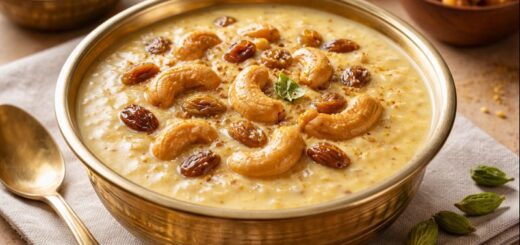
Iyengar Style Rava Kesari is a beloved South Indian sweet pudding made with semolina (rava), ghee, sugar, saffron and nuts that melts on your tongue and brings festival feelings to any table. This variation celebrates traditional flavors with an authentic touch rooted in classic home cooking experiences, drawing from how this dessert is prepared in households across South India where Rava Kesari (also known as Kesari Bath) is a staple sweet dish.
Recipe Card
| Prep Time | 10 mins |
|---|---|
| Cook Time | 20 mins |
| Total Time | 30 mins |
| Servings | 4 servings |
| Difficulty | Easy |
Ingredients With Exact Quantities
- Fine semolina (Bombay rava / sooji): 1 cup (approx. 150 g)
- Water: 2 ½ cups (600 ml)
- Ghee (clarified butter): 4 tablespoons (60 ml)
- Sugar: ¾ cup (150 g) (adjust to taste)
- Saffron strands: 8–10 strands soaked in 1 tbsp warm water (optional)
- Cardamom powder: ¼ teaspoon
- Cashew nuts: 10–12 pieces
- Raisins: 10 pieces (optional)
Step-by-Step Instructions
1. Prep And Roast The Rava (5 mins)
Heat a heavy-bottom pan over medium flame. Add 2 tbsp of ghee. Once melted, add the cashews and fry until golden brown (about 1 minute). Add raisins and fry until they plump up (30 seconds). Remove nuts and raisins to a plate and keep aside.
In the same pan, add the 1 cup of semolina and roast in the remaining ghee on low flame. Stir constantly until semolina turns aromatic and lightly toasted (about 3 minutes). It should NOT brown deeply, only emit a nutty aroma. Understanding Iyengar Style Rava Kesari is essential.
2. Boil Water (3 mins)
While roasting rava, bring 2 ½ cups of water to a rolling boil in another saucepan. If you choose to add saffron, soak the strands in 1 tbsp warm water now so the color infuses.
3. Combine Rava And Water (5 mins)
Carefully pour the hot water into the roasted rava in a steady stream, stirring vigorously to avoid lumps. The mixture will bubble and steam — keep stirring until the water is absorbed and the mixture thickens (about 3–4 minutes).
4. Add Sugar And Spices (5 mins)
Lower the flame and add ¾ cup sugar. Stir constantly; sugar will dissolve, and the mixture will turn semi-liquid again. Stir until the blend thickens and lumps disappear. Sprinkle ¼ tsp cardamom powder and pour in saffron water for the classic kesari color and aroma. This relates to Iyengar Style Rava Kesari.
5. Final Ghee And Rest (2 mins)
Add the remaining 2 tbsp ghee, then stir until the mixture begins to leave the sides of the pan (about 2 minutes). Switch off the heat. Cover and let rest for 3–5 minutes to develop texture and aroma.
6. Garnish And Serve
Spoon the warm Kesari into bowls. Top with fried cashews and raisins. Serve hot or warm; this sweet shines best fresh.
Pro Tips From Personal Cooking Experience
- When I visited Bangalore decades ago, I noticed every household had its slight twist — some use half milk with water for extra richness. I personally recommend starting with water only before experimenting with milk for creaminess.
- If the Kesari gets sticky or gluey, chances are the semolina was either over-roasted or the water wasn’t hot enough when added. Use hot, boiling water always.
- For a richer flavor, use homemade ghee rather than store-bought commercial versions.
- Stir quickly but gently when adding water to avoid lumps — this is the step most people get wrong and ends with gummy Kesari.
Chef’s Notes: Substitutions And Storage
- Substitutions: You can replace sugar with jaggery for a deeper flavor, but the color changes. Using milk instead of water yields a creamier texture similar to Suji ka Halwa, though the classic color may differ.
- Nut Variants: Almond slivers or pistachios can replace cashews for a crunchier topping.
- Storage: Store leftovers in an airtight container in the refrigerator for up to 3 days. Reheat with a splash of milk or water to loosen texture.
- Serving Tips: Kesari is traditionally served as part of festive spreads during South Indian festivals and rituals, often paired with savory dishes like upma.
Nutrition Information Per Serving (Approximate)
| Calories | Approx. 300 kcal |
|---|---|
| Carbohydrates | ~45 g |
| Fat | ~11 g |
| Protein | ~4 g |
| Fiber | ~1 g |
This estimate is based on standard semolina based Kesari servings; actual values vary with ghee and sugar amounts. Learn more about Iyengar Style Rava Kesari.
FAQs About Iyengar Style Rava Kesari
Can I Make Kesari Without Saffron?
Yes. Saffron is optional but gives the classic color and aroma. You can use a pinch of natural turmeric for color if saffron is unavailable.
Why Is My Kesari Lumpy?
Lumps form when water isn’t added slowly or stirring isn’t continuous. Also ensure semolina is roasted well before adding water.
Can I Add Milk Instead Of Water?
Yes. Many families use half milk and half water for a creamier texture, though taste and richness will be different.
I personally recommend serving this dessert warm, with a dollop of ghee on top — it enhances the aroma and flavor tremendously.