We Rasam Powder Sambar: We Rasam Powder Sambar: We Rasam
We Rasam Powder Sambar Recipe: Can We Use Rasam Powder For Sambar
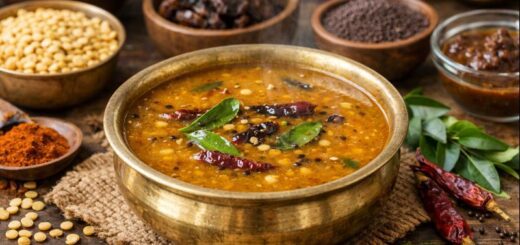
We Rasam Powder Sambar is a question many home cooks ask: Can we use rasam powder for sambar? The quick answer from kitchen experiments and traditional sources is that rasam powder is not the same as sambar powder. Sambar powder has a distinct composition built for thicker lentil-based stew, while rasam powder is tuned for a light, tangy soup. However, in a pinch, you *can* use rasam powder to make sambar with adjustments — and that’s exactly what this recipe article explores with full steps, tips from personal experience, and nutrition facts per serving.
However, before we begin — every authentic regional recipe needs clarity. According to Wikipedia, sambar is a lentil-based vegetable stew from South India cooked with tamarind broth, vegetables, and a spice mix known as sambar powder. The dish originates in South Indian cuisine and holds deep cultural roots in meals such as idli, dosa or rice thali dishes.
Recipe Card
| Prep Time | 15 minutes |
|---|---|
| Cook Time | 45 minutes |
| Servings | 4 servings |
| Difficulty | Medium |
Ingredients With Exact Quantities
Main Ingredients
- 1 cup toor dal (split pigeon peas) — rinsed and soaked 15 minutes
- 2.5 cups mixed water for dal cooking
- 1.5 cups mixed vegetables (drumstick, carrot, pumpkin, brinjal) — chopped
- ¼ cup tamarind extract (soak 1 lemon-sized ball in ½ cup warm water)
- 1 medium onion — finely chopped
- 1 large tomato — chopped
- 2 tbsp jaggery or brown sugar
- Salt — 1 tsp (adjust to taste)
- Optional Rasam Powder — 2 tsp (if substituting for sambar powder)
- Sambar Powder — 2 tbsp (preferred)
Tempering
- 2 tbsp oil or ghee
- 1 tsp mustard seeds
- 1 tsp urad dal
- 2 dry red chillies
- 10–12 curry leaves
- Pinch of asafoetida (hing)
Step-By-Step Instructions
1. Cook The Dal (15 Minutes)
In a pressure cooker, add 1 cup toor dal with 2.5 cups water and ¼ tsp turmeric. Pressure cook on medium heat for 3–4 whistles (about 10 minutes). After the cooker cools, mash dal with a whisk to a smooth texture. Set aside. Understanding We Rasam Powder Sambar is essential.
2. Prepare Vegetables (10 Minutes)
In a heavy pan, add mixed vegetables with ½ cup water and a pinch of salt. Cook uncovered until vegetables are tender but not mushy (about 8–10 minutes). Drain extra water and keep the vegetables ready. Vegetables add nutrition and improve the stew thickness.
3. Add Tamarind And Spices (10 Minutes)
Stir in the tamarind extract, chopped tomatoes, jaggery and salt. Cook until tomatoes release their juices (about 5 minutes). Lower the flame and add sambar powder. If pressed for time and using rasam powder instead, add the 2 tsp here — but you’ll notice a lighter flavour.
The science here is simple: sambar powder typically contains roasted lentils, coriander seeds, and spices that build body. Rasam powder has more pepper and cumin — tuned for thinner broths. Adjust carefully. This relates to We Rasam Powder Sambar.
4. Combine Dal And Vegetable Base (5 Minutes)
Pour the mashed toor dal into the simmering vegetable mix. Stir gently and add 1–2 cups of additional water depending on your preferred sambar thickness. Bring to a boil and simmer 5 minutes so the flavours meld.
5. Tempering (Tadka) (5 Minutes)
In a small pan, heat oil or ghee. Add mustard seeds and let them splutter. Then add urad dal, dry red chillies, curry leaves, and a pinch of asafoetida. Fry until fragrant. Pour this tempering over the hot sambar. Turn off heat and garnish with chopped coriander.
Pro Tips From Personal Cooking Experience
When I visited a friend’s home in Chennai, I saw her take extra care in roasting the spices for sambar powder — the aroma filled the kitchen before anything else. That fresh roast is often the flavour you miss when using rasam powder as a substitute. Learn more about We Rasam Powder Sambar.
- If you do use rasam powder, add a bit of roasted coriander powder (½ tsp) to deepen the flavour.
- Adjust tamarind — too much can make the stew sour; balance with jaggery.
- Never boil after adding tempering, as the aromatic oils dissipate.
- Adding a splash of coconut milk (2 tbsp) at the end gives a creamy touch suited for vegetable heavy sambar.
Chef’s Notes: Substitutions & Storage
Substitution Notes
- Rasam Powder For Sambar: Yes, you can, but use only 2 tsp and supplement with roasted coriander and fenugreek to mimic sambar powder body. Rasam powder lacks roasted lentil notes.
- Vegetarian Options: All ingredients here are vegetarian and suitable for vegan diets if using oil instead of ghee.
- Vegetable Choices: Drumstick and brinjal are traditional, but you can swap pumpkin with sweet potato for seasonal variation.
Storage Tips
- Refrigerate leftover sambar in an airtight container for up to 4 days.
- Freezing sambar is possible for 1 month, but texture may change slightly.
- Store homemade sambar powder or rasam powder in airtight glass jars in a cool, dry place to maintain aroma.
Nutrition Information Per Serving (Approximate)
| Nutrient | Amount |
|---|---|
| Calories | 210 kcal |
| Protein | 8 g |
| Carbohydrates | 30 g |
| Fat | 5 g |
| Fiber | 6 g |
| Sodium | 580 mg |
These values are taken from a similar Kerala sambar recipe that uses lentils and mixed vegetables per 4 servings, averaging to approximately 210 calories per serving.
Frequently Asked Questions (FAQs)
Can I Use Only Rasam Powder To Make Sambar?
Yes, but only in small amounts (about 2 tsp). Since rasam powder is designed for a thinner tangy broth, your sambar will be lighter and may lack body unless balanced with extra roasted spice flavours — especially coriander, cumin, and roasted lentils. Traditional sambar owes its thickness to sambar powder and cooked dal.
What Is The Difference Between Sambar Powder And Rasam Powder?
Sambar powder contains roasted lentil bits, coriander seed, fenugreek and other spices tuned for a hearty stew. Rasam powder has extra pepper and cumin for clear, tangy broth. Substituting one for the other changes flavour and consistency — so adjust quantities and seasoning accordingly. This relates to we rasam powder sambar.
Can I Make Sambar Without Tamarind?
Yes, you can use lemon juice (1 tbsp) or tamarind paste as alternatives. The sour element is essential for authentic taste, but these substitutes work well in a pinch. Adjust sweetness and salt after adding.
External References
For historical and cultural context on sambar, see the Sambar Dish Wikipedia Page. For detailed information on Indian pulses and nutrition, check the U.S. Government Nutrition Site.
Moreover, i personally recommend starting with traditional sambar powder if you’re making sambar for guests. What surprised me most in experimenting with rasam powder was how delicately the heat and aroma shifted — a gentle reminder that spice blends have unique roles in each dish. This relates to we rasam powder sambar.