Chettinad Vada Curry Recipe Easy Tamilnadu Style
Chettinad Vada Curry Recipe Tamilnadu Easy Method Cooking
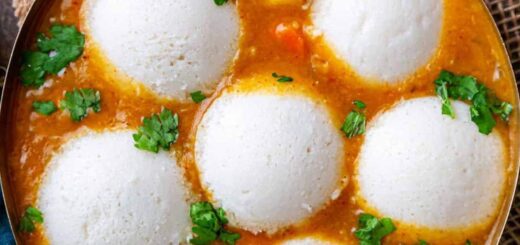
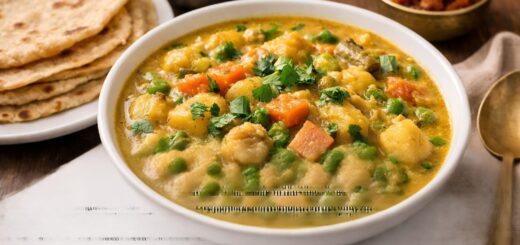
Chettinad Vada Curry Recipe is a beloved Tamil Nadu speciality where protein-rich vadas soak up a spicy, aromatic curry — perfect with idli or dosa and packed with South Indian flavour. This recipe blends traditional Chettinad tastes with simple steps and is ideal if you want an authentic home-cooked vadacurry experience rooted in Tamil cuisine.
Recipe Card
| Prep Time | 2 hrs 30 mins (including soak time) |
| Cook Time | 40 mins |
| Total Time | 3 hrs 10 mins |
| Servings | 4 servings |
| Difficulty | Moderate |
Ingredients
For The Vada
- Chana Dal (Kadalai Paruppu) – 1 cup (soaked 2 hrs)
- Dried Red Chillies – 2 (optional, adjust heat)
- Fennel Seeds – 1 tsp (crushed)
- Rice Flour – 1 tbsp (for crispiness)
- Curry Leaves – 10 leaves (chopped)
- Salt – ¾ tsp or to taste
- Vegetable Oil – 1.5 cups (for deep frying)
For The Curry
- Oil – 3 tbsp
- Mustard Seeds – 1 tsp
- Urad Dal – ½ tsp
- Curry Leaves – 1 sprig
- Onions – 2 medium (finely sliced)
- Ginger Garlic Paste – 1 tbsp
- Tomatoes – 2 cups (finely chopped)
- Turmeric Powder – ½ tsp
- Red Chilli Powder – 1 tsp
- Coriander Powder – 2 tsp
- Water – 1 to 1½ cups
- Fresh Coconut (optional) – ½ cup (for grounding paste)
- Coconut Milk (optional alternative) – ½ cup
- Salt – 1 tsp (or to taste)
- Fresh Coriander – 2 tbsp (for garnish)
Step-By-Step Instructions
1. Soaking And Preparing The Dal
Wash 1 cup chana dal thoroughly under cold water. Place in a bowl and cover with water. Soak for at least 2 hours so the dal softens and expands for easy grinding. This step ensures the vadas hold together and become soft on cooking.
2. Grinding The Dal Mixture
Drain the soaked dal and place it in a mixer. Add dried red chillies and crushed fennel seeds. Pulse to create a coarse, crumbly mixture — do not make it smooth. This texture gives a rustic vada that stays firm in curry. You may sprinkle up to 1 tbsp water only if necessary to assist grinding. Understanding Chettinad Vada Curry Recipe is essential.
3. Making Vadas
Heat vegetable oil in a deep pan on medium flame. Wet your hands, shape small balls from the dal mixture, and flatten slightly. Slide them into hot oil gently. Fry until golden brown and crisp (about 5–7 minutes). Remove and drain on paper towels. Break the vadas into halves or thirds for better curry absorption.
4. Tempering The Curry Base
In a heavy bottom pan, heat 2 tbsp oil on medium heat. Add mustard seeds and let them crackle, then add urad dal and curry leaves. Sauté until fragrant — this builds the aromatic foundation.
5. Building The Gravy
Add sliced onions and sauté until translucent (5–6 minutes). Stir in ginger garlic paste and cook till raw smell dissipates. Add chopped tomatoes and cook until mushy and oil begins to separate. This step ensures a rich base for the curry. This relates to Chettinad Vada Curry Recipe.
6. Spice It Up
Sprinkle turmeric, red chilli and coriander powders. Stir for 1–2 minutes so the spices bloom in the oil and infuse the gravy with warmth.
7. Add Water Or Coconut
Stir in 1 to 1½ cups water to create a saucy base. For extra richness, either add freshly ground coconut paste or ½ cup coconut milk at this stage — both give a creamy, layered flavour.
8. Combine Vadas And Simmer
Drop the broken vada pieces into the simmering curry. Cover and cook on low for 8–10 minutes. The vada soaks up the curry and becomes soft yet retains some texture inside. This sweet absorption is what makes Chettinad Vada Curry special. Learn more about Chettinad Vada Curry Recipe.
9. Finishing Touches
Turn off the heat and garnish with fresh coriander. Let the curry rest for 5 minutes before serving so flavours settle together.
Pro Tips From Personal Cooking Experience
- I personally recommend soaking the dal longer if your water is hard — it hydrates better and grinds uniformly. This trip I cooked with friends in Chennai, and the dal soaked 3 hrs gave the best texture. When I visited Tamil Nadu last autumn, I noticed street chefs always use fennel generously — it adds a subtle anise aroma you don’t want to skip.
- Don’t overgrind the dal — a crumbly texture ensures the vada crumbs absorb more curry.
- If you’re short on time, shallow-fry vada pieces instead of deep-frying to cut down oil usage without losing flavour.
Chef’s Notes
Substitutions
- If chana dal isn’t available, you can blend equal parts toor dal and moong dal — the taste alters slightly but remains excellent.
- For vegan option, stick to coconut milk or coconut paste and avoid ghee — traditional Chettinad cooking often uses sesame or groundnut oil.
Storage Tips
- Store curry in an airtight container in the fridge for up to 3 days. Keep vadas separate to maintain texture.
- When reheating, warm the curry first then add vada pieces to prevent them from getting overly soggy.
Nutrition Information (Approximate Per Serving)
| Calories | ~310 kcal |
| Total Fat | 13.2 g |
| Saturated Fat | 1.8 g |
| Carbohydrates | 40 g |
| Protein | 12.7 g |
| Dietary Fiber | 8.2 g |
| Vitamin C | 20.7 mg |
Nutrition data reflects a typical homemade vada curry with roasted dal and coconut gravy. It may vary depending on oil quantity and coconut usage.
About The Chettinad Cuisine
Chettinad cuisine originates from the Chettinad region in Tamil Nadu, known for bold spices and aromatic gravies. Traditional dishes balance heat with local ingredients like fennel, coconut, and curry leaves. To learn about the cultural backdrop of Chettinad cooking, you can explore Chettinad on Wikipedia.
South Indian curries like vada curry are often paired with dosas, idlis or rice — making them a staple in Tamil breakfast and tiffin menus across Tamil Nadu. Chettinad flavours shine through even vegetarian dishes by using spice layers rather than heavy creams. For context on related South Indian breakfast foods like medu vada, see Medu Vada on Wikipedia.
Frequently Asked Questions
Can I Make This Gluten-Free?
Yes! This recipe is naturally gluten-free as long as the rice flour and all spices are certified gluten-free.
Is This Dish Spicy?
Spice level can be tuned by reducing red chillies or chilli powder. Chettinad cuisine tends to be bold, so adjust to your palate.
What to Serve With Chettinad Vada Curry?
Traditionally paired with soft idlis or crisp dosas. It also goes well with steamed rice for a hearty meal.
Final Thoughts
This Chettinad Vada Curry Recipe brings the rustic charm and spice of Tamil Nadu to your kitchen. With crunchy vadas absorbing rich, layered curry, it’s a dish that satisfies both comfort and complexity. I personally recommend serving it hot with a steaming stack of idlis or fresh dosa on a weekend morning — the aroma alone will transport you to a South Indian tiffin shop.