Sakkarai Pongal Pachai Karpooram Easy Recipe Best
Sakkarai Pongal Pachai Karpooram Recipe Easy Cooking
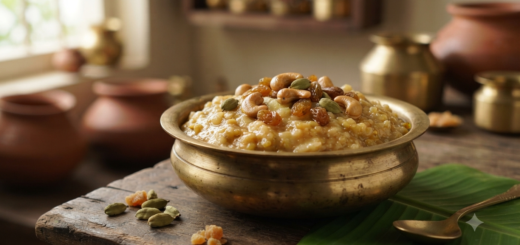
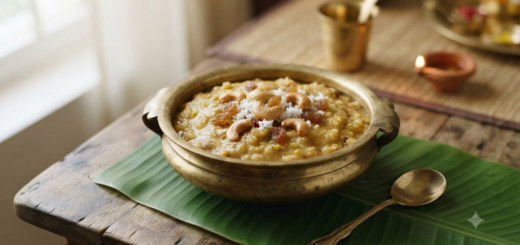
Sakkarai Pongal Pachai Karpooram is a festive South Indian sweet rice dish traditionally made during the Pongal and Sankranti festivals, infused with aromatic edible camphor (pachai karpooram) for that divine temple-style flavor. This classic recipe blends rice, moong dal, jaggery, ghee, and spices to create a creamy, rich, and soul-warming dessert offered as prasadam and shared with family. According to cultural records, Sakkarai Pongal (meaning “sweet pongal”) is one of the signature dishes of the Tamil harvest festival known as Pongal, where it is cooked and allowed to boil over as a symbol of abundance and prosperity. Wikipedia – Pongal Festival
Recipe Card
| Prep Time | 15 mins |
|---|---|
| Cook Time | 40 mins |
| Servings | 6 servings |
| Difficulty | Medium |
Ingredients
- 1 cup raw rice (pacharisi), rinsed and soaked 10 mins
- ¼ cup yellow moong dal (pasi paruppu)
- 2½ cups water
- ¾–1 cup grated jaggery (adjust to sweetness)
- 3–4 tbsp ghee (clarified butter)
- 10 cashew nuts
- 2 tbsp raisins
- ½ tsp cardamom powder
- 1 pinch edible camphor (pachai karpooram)
- 1–2 cloves (optional)
- Pinch of salt
- Optional: ¼ cup milk for creaminess
Instructions
1. Prepare Rice And Dal
Heat a heavy pot or pressure cooker on medium flame. Add the moong dal and dry roast for 2–3 minutes until light golden and fragrant. This step enhances aroma and improves texture.
Add the rinsed rice, 2½ cups water, and a pinch of salt. Close the lid and cook for about 15–18 minutes (about 4 whistles in a pressure cooker) until the rice and dal are very soft and mashable. Once done, gently mash the mixture with a ladle or spoon.
2. Make Jaggery Syrup
While the rice mixture cooks, place grated jaggery into a saucepan with ½ cup water. Warm over medium heat until the jaggery dissolves fully, stirring occasionally for 4–5 minutes. Then strain the jaggery syrup through a fine sieve to remove impurities and set aside. (Approx 8 mins)
3. Combine And Cook Pongal
Pour the jaggery syrup into the cooked rice and dal. Mix well on low flame. The mixture will loosen and then thicken as the jaggery infuses into the grains. Let it simmer for 6–8 minutes, stirring often to prevent sticking. (Approx 8 mins)
4. Add Flavorings And Roast Nuts
While the pongal cooks, heat 1 tbsp ghee in a small pan. Fry cashews until golden, then add raisins and let them puff up. Remove nuts and set aside. In the same pan, quickly sauté cloves for 30 seconds; turn off heat and immediately add cardamom powder and a pinch of edible camphor (pachai karpooram). Stir and add this aromatic mix to the pongal. (Approx 5 mins)
5. Final Stir And Serve
Mix everything together, drizzle the remaining ghee, and cook for 2–3 more minutes until you see the glossy sheen of jaggery coating each grain. Turn off the heat. Fold in the fried nuts and raisins on top. Serve hot or warm. (Approx 3 mins)
Pro Tips
- Using fresh jaggery blocks (paagu vellam) rather than powder is recommended because the flavor and aroma are richer and more authentic.
- In Tamil Nadu kitchens during Pongal, the edible camphor is not skipped — just a tiny pinch makes the aroma truly temple-like.
- Stir consistently after adding jaggery so the pongal doesn’t stick or burn at the bottom.
- If you prefer extra richness, add a splash of hot milk towards the end for a creamier texture.
Chef’s Notes
Substitutions
If you don’t have edible camphor, you can skip it — the pongal will still be delicious. Traditional sweet Pongal doesn’t require camphor, but it adds a unique flavor for celebrations. You can also replace some water with milk (¼ cup) for extra creaminess. For a vegan version, replace ghee with a neutral oil or vegan butter.
Storage Tips
Store leftover Sakkarai Pongal Pachai Karpooram in an airtight container in the refrigerator for up to 2 days. Reheat gently over low flame with a splash of water or milk to loosen the texture. Avoid freezing, as the texture and flavor of jaggery and ghee don’t hold up well when frozen.
Nutrition Information (Approx Per Serving)
| Calories | ~260–280 kcal |
|---|---|
| Carbohydrates | ~45–50g |
| Fat | ~7–10g |
| Protein | ~3–4g |
| Fiber | ~1–2g |
According to nutrition data, a serving of Sakkarai Pongal contains roughly 272 calories from jaggery, rice, and ghee, making it a festive high-energy dish.
Frequently Asked Questions (FAQs)
What Is Pachai Karpooram And Why Use It?
Pachai Karpooram is edible camphor used sparingly in South Indian sweets for its unique aroma. It is food-grade camphor and not the same as the camphor used for puja rituals. A tiny pinch enhances the sweet’s fragrance but do not add too much, as it can be overwhelming.
Can I Make This Without A Pressure Cooker?
Yes. Cook the rice and dal in a heavy pot with sufficient water (about 4–4½ cups) until soft and mashed. This may take 30–35 minutes of simmering. Adjust water and cooking time accordingly.
Is Sakkarai Pongal The Same As Chakkara Pongal?
Yes. Sakkarai Pongal and Chakkara Pongal are synonymous names for the same sweet rice dish in South India, where “sakkarai” or “chakkara” means sweet.
Closing Thoughts
Sakkarai Pongal Pachai Karpooram is more than a dessert. It’s tradition, aroma, and celebration in every spoon. It is worth making not just for festivals, but whenever you crave a sweet that feels like home and heritage. The hint of edible camphor makes this version truly special — and unforgettable.