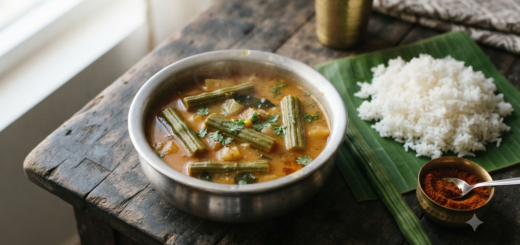
Ugadi Pachadi Without Neem: Best Ugadi Pachadi Without Neem
Ugadi Pachadi Without Neem Easy Cooking Procedure
Ugadi Pachadi Without Neem is a traditional South Indian festive recipe prepared on Ugadi (Telugu and Kannada New Year), symbolizing life’s six different tastes all in one dish – sweet, sour, salty, bitter, spicy and astringent – even when you make it without neem flowers. Traditionally Ugadi Pachadi uses neem flowers which represent bitterness and the soul of the celebration. In this article you will learn a simple step-by-step method to prepare a flavorful Ugadi Pachadi Without Neem that still captures the spirit and taste of the dish while using alternatives for the bitter element.
Recipe Card
| Prep Time | 15 mins |
|---|---|
| Cook Time | 0 mins (No-Cook) |
| Servings | 4 servings |
| Difficulty | Easy |
Ingredients (Exact Quantities)
- Raw unripe green mango – 1 cup finely chopped (≈ 150 g)
- Jaggery – ½ cup grated (≈ 100 g)
- Tamarind pulp – ¼ cup (≈ 60 ml, soaked and extracted)
- Raw fenugreek seeds (methi) soaked – 2 tbsp *replacement for neem*
- Black pepper powder – ½ tsp
- Salt – ½ tsp (adjust to taste)
- Water – ½ cup + extra as needed
- Optional: banana slices – ½ cup (for texture and sweetness)
Step-by-Step Instructions
1. Prepare Tamarind Pulp (10 mins)
Take a small lemon-sized ball of tamarind and soak it in ½ cup of warm water for 10 minutes. After it softens, squeeze the tamarind with your fingers to extract the pulp. Strain to remove fibers. This forms the sour base of the pachadi.
2. Dissolve Jaggery (2 mins)
In a large mixing bowl, add grated jaggery and the tamarind extract. Stir vigorously for about 2 minutes until the jaggery is fully dissolved into the tamarind juice. This syrupy mix balances the tanginess with sweetness.
3. Add Mango and Fenugreek (1 min)
Add the finely chopped raw mango pieces into the jaggery-tamarind mixture. Instead of neem flowers, add soaked and softened fenugreek seeds – they will add a gentle bitterness reminiscent of traditional neem. Mix well. Fenugreek also brings health benefits like aiding digestion.
4. Season With Spices (1 min)
Sprinkle the black pepper powder and salt into the bowl. Stir thoroughly to ensure all flavours are uniformly distributed. Black pepper gives spice without overpowering. If you want a bit more heat, increase pepper to ¾ tsp.
5. Add Optional Banana (1 min)
If you like mild sweetness and a creamy texture, gently fold in banana slices. This step is optional but adds volume and a pleasant mouthfeel. Many families add banana as a custom.
6. Serve Fresh
Ugadi Pachadi is traditionally served immediately at room temperature. The flavours mellow after 10-15 minutes as they marry together. This dish does not require cooking, making it ideal for quick festive preparation.
Chef’s Tips
In Andhra Pradesh during Ugadi, pachadi is traditionally prepared with care—making sure the jaggery dissolves completely and the mango pieces are very small so every spoonful has a balance of tastes. Notably, the fenugreek substitution gives a subtle bitter note without the sharpness of neem flowers, perfect for guests unfamiliar with bitter flavours.
Pro Tips
- Always use fresh raw mango for astringency; avoid overly ripe ones.
- If jaggery is hard, grate directly into the bowl to speed up dissolving.
- Soak fenugreek seeds for at least 20 mins to reduce bitterness if needed.
- Serve at room temperature – chilling dilutes the vibrant flavours.
Chef’s Notes
Substitutions
- No neem flowers? Soak fenugreek seeds as suggested; they mimic bitterness without being too harsh.
- No raw mango available? Use ¾ cup raw mango powder with little water to achieve a similar tang.
- Don’t like black pepper? Replace with ½ tsp mild red chili powder for spice.
Storage Tips
Store leftover pachadi in an airtight container in the refrigerator for up to 24 hours. Because raw ingredients lose freshness quickly, consume soon after preparation. Do not freeze. Always bring to room temperature before serving again to enjoy balanced flavours.
Nutritional Information (Per Serving)
| Nutrient | Amount |
|---|---|
| Calories | 90 kcal |
| Carbohydrates | 20 g |
| Protein | 1 g |
| Fat | 0.3 g |
| Fiber | 1.5 g |
| Vitamin C | 5 mg |
Why Ugadi Pachadi Matters
Ugadi Pachadi holds deep cultural importance. According to Wikipedia, this dish symbolizes life’s blend of emotions — from sweetness and joy to bitterness and difficulty. By tasting all these flavours consciously on the first day of the year, devotees remind themselves to accept whatever comes in life.
Frequently Asked Questions
Can I make Ugadi Pachadi Without Neem completely?
Yes. Many families replace neem with mild substitutes like fenugreek seeds or even bitter gourd juice. These alternatives still offer bitterness without the strong taste of neem flowers.
Is it okay to make pachadi ahead?
Pachadi is best fresh. If stored, the raw mango’s texture softens and flavours change, so prepare it close to serving time.
Can I use jaggery syrup instead of grated jaggery?
Yes, jaggery syrup dissolves faster and blends well, especially in no-cook recipes like this one.
Ugadi Pachadi Without Neem is an ideal blend of traditional symbolism and modern convenience. Try this easy recipe for your next Ugadi celebration and witness how vibrant tastes come together to represent life’s full spectrum.