Kurma Recipe Coconut Cooking Best Hotel Style
Kurma Recipe Coconut Cooking Easy Hotel Style
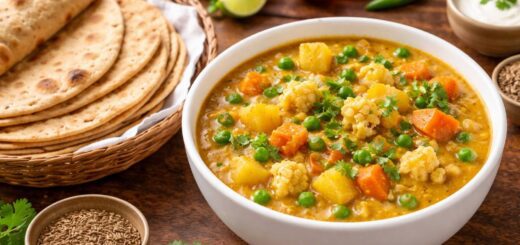
Kurma Recipe Coconut Cooking is the recipe I’m sharing with exact measurements, traditional hotel-style flavours and detailed steps. This South Indian kurma is rich, creamy and confident in its use of coconut — something you’ll find in many authentic recipes. Coconut contributes healthy fats and fibre while creating a velvety curry base. According to nutrition estimates for coconut-based curries, a serving of vegetable kurma typically ranges between about 250–300 calories per cup, depending on the ingredients used.
Recipe Card
| Prep Time | 20 mins |
|---|---|
| Cook Time | 30 mins |
| Total Time | 50 mins |
| Servings | 4 servings |
| Difficulty | Medium |
Ingredients With Exact Quantities
- 2 tablespoons vegetable oil
- 1 teaspoon cumin seeds
- 1 medium cinnamon stick (1.5 inches)
- 3 green cardamom pods
- 4 cloves
- 1 bay leaf
- 1 large onion, finely chopped
- 1 tablespoon ginger-garlic paste
- 1–2 green chillies, slit
- 1 medium tomato, chopped
- ½ teaspoon turmeric powder
- 1 teaspoon coriander powder
- ¼ teaspoon red chilli powder (adjust to taste)
- ½ cup freshly grated coconut (or frozen shredded coconut)
- ¼ cup roasted gram dal (optional)
- 1 cup cauliflower florets
- ½ cup carrot, cubed
- ½ cup green peas (fresh or frozen)
- 1 medium potato, peeled and cubed
- 1 teaspoon salt (adjust to taste)
- ½ cup water (plus extra if needed)
- 2 tablespoons fresh cilantro leaves, chopped
Step-By-Step Instructions
1. Prepare Vegetables (10 mins)
Wash and cut the vegetables first. Chop cauliflower into florets, peel and cube the potato and carrot. Set aside green peas. Having all ingredients ready before you start cooking makes the process smoother and prevents overcooking.
2. Grind Coconut Base (5 mins)
Into a blender, add freshly grated coconut, roasted gram dal (if using), green chillies and about 2 tablespoons of water. Blend into a smooth paste. This forms the creamy core of your curry. Fresh coconut provides authentic flavour and richness to the gravy. Understanding Kurma Recipe Coconut Cooking is essential.
3. Heat Spices (3 mins)
Heat oil in a deep pan over medium heat. Add cumin seeds, cinnamon, cardamom, cloves and bay leaf. Sizzle until the spices start to pop and release aroma (about 1–2 minutes).
4. Sauté Aromatics (5 mins)
Add chopped onions and sauté until they turn light golden. Then add ginger-garlic paste and sauté for another minute until raw smell dissipates.
5. Add Tomato & Powders (3 mins)
Add chopped tomato, turmeric, coriander and red chilli powder. Cook for about 3 minutes until the tomatoes soften and begin to break down. This relates to Kurma Recipe Coconut Cooking.
6. Cook Coconut Paste (7 mins)
Add the coconut base to the pan. Mix well and cook on low heat, stirring often until the oil begins to separate from the paste — about 6–7 minutes. This step deepens the flavour and cooks out rawness from the coconut.
7. Add Vegetables & Simmer (10 mins)
Stir in all prepared vegetables and salt. Add ½ cup water, cover the pan and simmer on medium-low heat for 8–10 minutes or until veggies are just tender. Add extra water if the curry thickens too fast.
8. Final Touches (2 mins)
Once vegetables are cooked and the gravy is well combined, sprinkle chopped cilantro. Give it a final stir and turn off heat. Learn more about Kurma Recipe Coconut Cooking.
Pro Tips From Personal Cooking Experience
- When I visited coastal Karnataka, I noticed hotel chefs always toast the coconut lightly before grinding — this deepens the aroma and gives restaurant-style flavour.
- Fresh grated coconut tastes more vibrant than frozen. If you can get fresh coconut from a local market, I personally recommend it.
- If the gravy gets too thick, add a splash of coconut milk (unsweetened) for extra creaminess.
- Don’t rush the sautéing of coconut paste — taking time here rewards you with a richer kurma.
Chef’s Notes: Substitutions & Storage Tips
- Substitutions: If roasted gram dal isn’t available, use 6–8 cashews or almonds for a smooth, creamy texture. You can add yogurt (curd) for a tangier version, but adjust spices accordingly.
- Vegetarian & Vegan: This recipe is already vegetarian and can easily be kept vegan by ensuring no dairy products are used.
- Storage: Store leftover kurma in an airtight container in the refrigerator for up to 3 days. Reheat gently on low heat, adding a tablespoon of water or coconut milk if it thickens.
- Freezing: You can freeze the coconut paste separately for up to 2 months and use it for future curries.
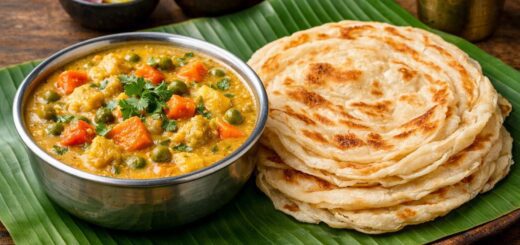
- Serving: Kurma pairs beautifully with rice, roti, naan or dosa. Traditional South Indian meals include coconut chutney and sambar alongside. Consider adding a boiled egg on top for extra protein.
Nutrition Information Per Serving
| Nutrient | Amount Approx. |
|---|---|
| Calories | 250–300 kcal (with full vegetable mix) |
| Total Fat | 12–18g (mostly healthy coconut fats) |
| Carbohydrates | 26–32g |
| Protein | 5–8g |
| Fiber | 4–7g |
| Sodium | about 480mg (varies with salt added) |
More About Kurma And Its History
Kurma (also spelled Korma) is an aromatic Indian curry dish featuring vegetables or meats in a rich gravy that often uses ground coconut, cashews and fragrant spices. The South Indian version tends to be coconut-based and is commonly served with dosa, parotta, rice or poori. You can learn about curry styles on Wikipedia: Korma.
Frequently Asked Questions
What Makes Kurma Different From Other Curries?
Kurma distinguishes itself by the use of coconut and nuts in the gravy. Unlike sambar (a lentil-based dish) or rasam (a thin soup), kurma has a thick, creamy texture and aromatic spice profile.
Can I Make This Gluten-Free?
Yes — this recipe uses no flour or wheat-based thickener. It’s naturally gluten-free.
Is Coconut Healthy In This Dish?
Coconut does provide healthy fats and fibre, though it adds more calories than lighter curries. Portion control and pairing with whole grains can balance the meal.