Sakkarai Pongal Basmati Rice Easy Home Recipe Guide
Sakkarai Pongal Basmati Rice Easy Home Cooking Recipe
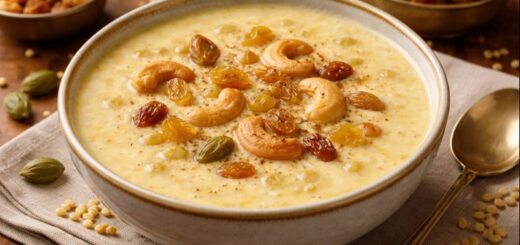
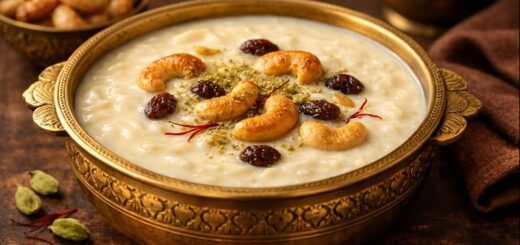
Sakkarai Pongal Basmati Rice is a delightful twist on the traditional South Indian sweet pongal, made with aromatic basmati rice, creamy lentils, jaggery, ghee, and warm spices. This dish captures both the fragrance of basmati and the rich cultural heritage of the Pongal festival, celebrated as a thanksgiving for the harvest in South India. Traditionally made with short- or medium-grain rice, using basmati gives the sweet pongal an elegant, tasty spin while still keeping it comforting and rustic.
Recipe Card
| Prep Time | 15 minutes |
|---|---|
| Cook Time | 40 minutes |
| Servings | 4 |
| Difficulty | Easy |
Ingredients (Exact Quantities)
- ¾ cup basmati rice, rinsed and drained
- ¼ cup yellow moong dal (split yellow lentils)
- 4 cups water
- 1 cup grated jaggery (approx 220–240 g)
- ½ cup water (for jaggery syrup)
- ½ teaspoon cardamom powder
- 2–3 tablespoons ghee (clarified butter)
- 10–12 cashew nuts
- 1 tablespoon raisins
- 1 small pinch of edible camphor (optional)
Step-by-Step Instructions
1. Prepare Rice and Dal (10 min)
Rinse ¾ cup basmati rice under cold running water until water runs clear (helps remove excess starch). Rinse ¼ cup yellow moong dal separately. In a medium saucepan, add the rice, dal, and 4 cups water. Bring to a boil on medium flame.
Reduce to low and simmer for about 20 minutes until the rice and dal are soft and mushy. Stir occasionally so the basmati grains break down slightly but still absorb the jaggery later. (Using basmati means a slightly softer texture than traditional pongal rice). Understanding Sakkarai Pongal Basmati Rice is essential.
2. Make Jaggery Syrup (5 min)
While the rice and dal cook, combine 1 cup grated jaggery and ½ cup water in a small saucepan. Heat on low flame until the jaggery dissolves completely. Strain this syrup to remove impurities. Keep warm. This step ensures a smooth syrup that won’t compromise the pongal’s texture.
3. Combine And Cook (10 min)
Once the rice and lentils are soft, pour the strained jaggery syrup into the rice-dal mixture. Stir gently on low flame. Add ½ teaspoon cardamom powder and continue to cook for about 10 minutes until the jaggery blends well and the consistency is thick but still pourable. If it thickens too much, add a splash of hot water. Timing is key here — cook until the jaggery is fully incorporated.
4. Temper With Ghee And Nuts (5 min)
In a small pan on low flame, heat 2–3 tablespoons ghee. Add cashew nuts and fry until golden brown. Add raisins; they’ll puff up quickly. If using edible camphor, add a tiny pinch now for traditional temple aroma and flavor. Pour this ghee-nut mixture over the pongal and gently mix. Serve warm or at room temperature. This relates to Sakkarai Pongal Basmati Rice.
Pro Tips From My Kitchen
- When I visited my grandmother’s kitchen during Pongal, she always roasted the cashews first — don’t skip this for that nutty aroma.
- If your basmati rice doesn’t soften enough, add ¼ cup extra water and continue simmering — basmati grains take slightly less water than short grain but still need soft breakdown for sweet pongal.
- I personally recommend using traditional jaggery instead of sugar for deeper, caramel-like sweetness and richer color.
- Don’t overcook the jaggery syrup; otherwise, it becomes too thick and crystallizes when mixed with rice.
Chef’s Notes: Substitutions & Storage
- Substitutions: For a vegan twist, replace ghee with coconut oil and skip edible camphor. To make it creamier, add ½ cup milk while cooking rice and dal.
- Storage: Sweet pongal without milk can be stored at room temperature for up to 12–18 hours or refrigerated in an airtight container for 2–3 days. Reheat gently with a splash of water or extra ghee to regain texture.
Nutrition Information (Per Serving)
| Calories | Approx 220–270 kcal |
|---|---|
| Carbohydrates | ~35–40 g |
| Fat | ~3–8 g |
| Protein | ~4 g |
| Iron | ~6 mg |
Nutrition values are approximate and based on typical sweet pongal estimates; actual numbers vary slightly with quantity of jaggery and ghee used.
Serving Suggestions
This Sakkarai Pongal Basmati Rice is perfect after a traditional festive meal or as a sweet ending after a spicy South Indian lunch. Pair it with hot filter coffee or cardamom tea for an unforgettable finish.
Frequently Asked Questions
Can I use basmati rice instead of traditional rice for pongal?
Yes — while traditional pongal uses short-grain rice for its porridge-like texture, basmati adds fragrance and can work well if cooked soft. Adjust water and cook until mashable. Learn more about Sakkarai Pongal Basmati Rice.
What makes Sakkarai Pongal sweet and different from ven pongal?
Sakkarai Pongal is sweet, flavored with jaggery, cardamom, cashews, and raisins, while ven pongal is savory, seasoned with pepper, cumin, and salt. The sweet version is often offered as neivedyam (prasadam) during festivals.