Sambar Recipe Masoor Dal Best Easy Step By Step
Sambar Recipe Masoor Dal Easy Procedure Step By Step
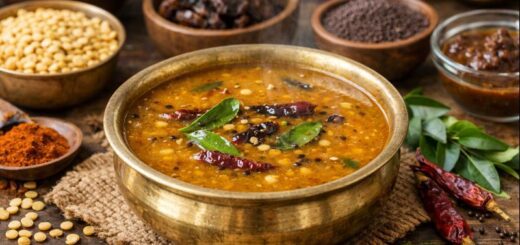
Sambar Recipe Masoor Dal is a delightful South Indian style lentil stew made with red lentils (masoor dal), mixed vegetables, tangy tamarind and aromatic spices. Unlike traditional sambar that uses toor dal, this version uses masoor dal, which cooks faster and adds a rich red-lentil flavour along with excellent nutrition such as plant-based protein and fiber. Sambar on Wikipedia gives a great overview of sambar’s history and components. When I experimented with this recipe at home, I was surprised by how creamy and deeply flavorful the sambar became using masoor dal!
Recipe Card
| Prep Time | 15 mins |
|---|---|
| Cook Time | 30 mins |
| Total Time | 45 mins |
| Servings | 4–5 servings |
| Difficulty | Easy |
Ingredients With Exact Quantities
Below is the complete list of ingredients you will need to make authentic-tasting Sambar Recipe Masoor Dal with balanced flavor and texture.
For Masoor Dal Sambar
- Masoor dal (red lentils) – 1 cup (about 200g)
- Mixed vegetables – 2 cups (e.g., drumstick, carrot, pumpkin, brinjal, beans)
- Tamarind pulp – 2 tbsp (or lemon-sized soaked pulp)
- Onion – 1 large, finely sliced
- Tomato – 1 large, chopped
- Turmeric powder – ½ tsp
- Sambar powder – 2 tbsp (adjust to taste)
- Red chili powder – ½ tsp
- Salt – 1½ tsp (adjust to taste)
- Water – 4 cups (plus extra to adjust consistency)
For Tempering (Tadka)
- Oil – 2 tbsp (vegetable or coconut oil)
- Mustard seeds – 1 tsp
- Cumin seeds – ½ tsp
- Asafoetida (hing) – a generous pinch
- Dried red chilies – 2
- Curry leaves – 1 sprig
Step-by-Step Instructions With Timings
1. Rinse And Prep Dal – 5 Minutes
Wash the masoor dal in cold water 3–4 times until water runs clear. Set aside to drain. Understanding Sambar Recipe Masoor Dal is essential.
2. Cook Masoor Dal – 10 Minutes
In a pressure cooker, add the washed masoor dal, ½ tsp turmeric powder, 2 cups water and a pinch of salt. Pressure cook for 2–3 whistles on medium heat until dal is very soft and mushy. Let the pressure release naturally before opening the lid.
3. Prepare Tamarind Extract – 5 Minutes
Soak tamarind pulp in ¼ cup warm water for 5 minutes. Mash the tamarind and strain to get tamarind juice. Set aside.
4. Cook Vegetables – 8 Minutes
In a large pot or deep pan, heat 1 tbsp oil over medium heat. Add sliced onions and sauté for 2 minutes till translucent. Add chopped tomatoes and cook for another 2 minutes until soft. This relates to Sambar Recipe Masoor Dal.
Add the mixed vegetables (drumstick, carrot, pumpkin etc.), ½ cup water, ½ tsp salt and cook for 5 minutes until vegetables are halfway cooked.
5. Combine Dal, Tamarind And Spices – 5 Minutes
Add the cooked masoor dal (mash lightly with a ladle), tamarind extract, sambar powder, red chili powder and remaining salt to the vegetables. Stir well. Add 1–1½ cups water to adjust consistency to a medium stew.
Bring to a simmer and cook for 5 minutes so the flavors marry well. Learn more about Sambar Recipe Masoor Dal.
6. Tempering (Tadka) – 3 Minutes
In a small tempering pan, heat the remaining 1 tbsp oil. Add mustard seeds and let them pop. Then add cumin seeds, dried red chilies, a pinch of asafoetida and curry leaves. Fry for 30–45 seconds until fragrant.
Pour this hot tempering over the simmering sambar and cover immediately to trap the aroma.
7. Final Simmer – 2 Minutes
Give the sambar one final stir, check seasoning and turn off heat. Let it sit covered for 2 minutes before serving.
Pro Tips From Personal Cooking Experience
- I personally recommend sautéing the onions longer until they caramelize slightly — it deepens the sweetness in the sambar.
- The consistency of sambar is a personal choice; add more water if you like it thinner. I like a slightly thick, gravy-rich finish.
- Always add tamarind after vegetables have softened; adding too early can make vegetables mushy.
- If you want an extra layer of flavor, add a teaspoon of jaggery — it balances the tang from tamarind beautifully.
Chef’s Notes: Substitutions, Storage Tips
Substitutions
- Dal: You can use a half mix of masoor and toor dal (split pigeon peas) if you prefer a more traditional texture. This is also common in many South Indian kitchens.
- Vegetables: Use any seasonal vegetables like ash gourd, okra, potato or zucchini — they all absorb the flavors well.
- Tamarind Substitute: Lemon juice (1 tbsp) can be used in a pinch for tanginess.
Storage Tips
- Refrigerate leftover sambar in an airtight container for up to 3–4 days.
- Sambar stores well in the freezer for up to 2 months. Thaw in the refrigerator overnight before reheating.
- When reheating, add a splash of water as the lentils thicken over time.
What Makes This Sambar Special?
Sambar is a staple of South Indian meals — whether for lunch with steamed rice or breakfast with idli or dosa. The use of masoor dal makes this variant quicker to cook and gives a softer, creamier texture without compromising nutrition. According to nutritional data on masoor dal, 100g of raw red lentils has approximately 24.44 g of protein and 6 mg of iron, making it a powerhouse for plant-based diets.
When I first made this recipe using local Andhra vegetables and home-made sambar powder, the aroma filled the kitchen and instantly transported me back to street-side South Indian meals I enjoyed during a visit to Tamil Nadu. I personally find that fresh curry leaves and good quality tamarind make a marked difference in flavour.
Nutritional Information Per Serving (Approx.)
| Nutrient | Amount (Per Serving) |
|---|---|
| Calories | 210–250 kcal |
| Protein | 9–11 g |
| Carbohydrates | 32–38 g |
| Fat | 6–8 g |
| Fiber | 7–9 g |
| Iron | 2.5–3 mg |
Note: Nutrition values vary depending on the exact vegetable mix and amount of oil used. This estimate uses a typical South Indian vegetable mix and standard quantities of ingredients.
Frequently Asked Questions (FAQs)
Can I make this sambar without pressure cooker?
Yes, you can cook masoor dal in a pot on the stovetop. It may take 20–25 minutes for the lentils to soften completely. Stir often to prevent sticking.
Can I make sambar without tamarind?
Yes, lemon juice or kokum can be used for tanginess but use smaller quantities to avoid overpowering the dish.
Is sambar healthy?
Absolutely — sambar is rich in plant protein, fiber, vitamins and minerals from lentils and vegetables, and uses minimal oil. The spices like cumin and asafoetida also aid in digestion.
Sambar truly reflects the balance of flavors and nutrition that South Indian cuisine celebrates. I personally recommend trying it first with rice, then with idli and dosa — each pairing brings out a different facet of this classic dish.