Easy Bisi Bele Bath: Quick Karnataka Home Recipe Steps
Easy bisi bele bath is the quickest route to Karnataka-style comfort food when you want soft rice, creamy toor dal, vegetables, tamarind and warm spice in one bowl. This version uses a pressure cooker for the rice-and-dal base, then finishes the tangy masala separately so the lentils soften properly. The result stays loose, glossy and spoonable instead of turning into dry masala rice.
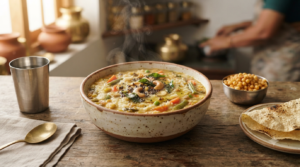
A warm bowl of Karnataka-style Bisi Bele Bath served with a crisp side for a comforting home meal.
Bisi bele bath is a well-known Karnataka dish built around rice, lentils and a dedicated bisi bele bath masala. Karnataka Tourism describes the dish as rice and lentils cooked and mixed with spice powder, vegetables and a final seasoning. The practical home trick is to treat texture as part of the recipe: it should look slightly thinner in the pan because it thickens as it rests.
Easy Bisi Bele Bath Recipe at a Glance
This easy bisi bele bath serves four generously and takes about 50 minutes from start to finish. Use sona masuri or another short- to medium-grain rice, because a soft grain gives the creamy texture people expect. Store-bought masala keeps the method quick, while homemade powder gives you more control over heat and aroma.
- Prep time: about 15 minutes
- Cook time: about 35 minutes
- Total time: about 50 minutes
- Servings: 4
- Core ratio: 1 cup rice to 1/2 cup toor dal
- Best texture: soft, creamy and slightly flowing
- Best shortcut: use a good bisi bele bath masala, then adjust tamarind and jaggery at the end
Ingredients for Easy Bisi Bele Bath Recipe
The ingredient list is flexible, but the rice, dal, tamarind and masala balance matters. An easy bisi bele bath succeeds when those four elements stay in balance. Start with moderate spice and sourness because both intensify while the mixture simmers. You can always add more masala or tamarind later, while an over-sour batch is harder to fix.
| Ingredient | Quantity | Why it matters |
|---|---|---|
| Sona masuri rice | 1 cup | Gives a soft, creamy base |
| Toor dal | 1/2 cup | Adds body and lentil flavour |
| Mixed vegetables | 1 1/2 cups | Use carrot, beans, peas and potato |
| Onion | 1 small, optional | Adds sweetness; skip if preferred |
| Tomato | 1 small | Adds body and mild acidity |
| Bisi bele bath masala | 2 to 3 tbsp | Main spice blend |
| Thick tamarind extract | 1 1/2 to 2 tbsp | Provides the signature tang |
| Jaggery | 1 to 2 tsp | Rounds out sour and spicy notes |
| Turmeric | 1/4 tsp | Adds colour and earthiness |
| Salt | 1 to 1 1/4 tsp, then adjust | Season in stages |
| Hot water | About 5 cups total | Adjust for a flowing finish |
For the tempering
- 2 tbsp ghee, or use oil for a vegan version
- 1 tsp mustard seeds
- 8 to 10 curry leaves
- 2 dried red chillies
- A small pinch of asafoetida
- 2 tbsp cashews or peanuts, optional
If you prefer to blend your own spices, use the site’s homemade bisibelebath powder recipe. MTR Foods currently lists Bisibele Bhath Masala in its official masala range, so a packaged blend remains a practical shortcut. Follow the pack if its suggested quantity differs sharply, because salt and chilli levels vary by brand.
How to Make Easy Bisi Bele Bath Recipe Step by Step
The fastest reliable method cooks the rice and dal until very soft before the tamarind goes in. Acid can slow the softening of pulses, so adding tamarind at the beginning can leave the dal firmer than you want. Finish the sour-spicy base after pressure cooking, then loosen the mixture with hot water.
- Rinse and soak. Wash 1 cup rice and 1/2 cup toor dal until the water looks mostly clear. Soak them for 10 to 15 minutes while you chop the vegetables.
- Pressure cook the base. Add the drained rice and dal to a cooker with turmeric and about 4 cups water. Cook until both are very soft; in many stovetop cookers this takes about 3 to 4 whistles. Let the pressure fall naturally, then mash lightly.
- Cook the vegetables. Heat 1 tbsp ghee in a deep pan. Add the optional onion and cook until soft, then add carrot, beans, peas, potato and tomato. Add a small pinch of salt and cook with a splash of water until the vegetables are tender.
- Build the tangy masala. Add 2 tbsp bisi bele bath masala, tamarind extract and 1 tsp jaggery. Stir for 2 minutes, then add about 1/2 cup hot water and simmer for 3 to 4 minutes.
Finish the rice, dal and tempering
- Combine and loosen. Add the soft rice-dal mixture to the vegetable masala. Mix well, then add more hot water until the dish is slightly looser than your final target. Simmer for 5 to 7 minutes on low heat.
- Taste before tempering. Add more salt, masala, tamarind or jaggery only after tasting the combined dish. Small adjustments are safer than adding everything at once.
- Finish with tempering. Heat the remaining ghee. Crackle mustard seeds, then add curry leaves, dried red chillies, asafoetida and nuts. Pour it over the bisi bele bath and serve hot.
Why the Order of Cooking Matters
Easy bisi bele bath looks simple, yet the order of cooking changes the texture. Rice and toor dal need enough water and pressure to become soft before the acidic tamarind enters the pan. That gives you a creamy base without needing to overcook the vegetables.
The masala also benefits from a short simmer with tamarind and jaggery before the rice joins it. This step lets the sour, sweet and spicy notes spread evenly. Once the rice-dal mixture goes in, keep the heat low because the thick base can catch at the bottom.
Finally, judge consistency only after five minutes of simmering. Bisi bele bath keeps absorbing liquid after cooking, so a pan that looks perfect on the stove may turn too thick on the plate. Keep a kettle of hot water nearby and loosen it just before serving.
Easy Bisi Bele Bath Recipe Texture Troubleshooting
The most common failure is not seasoning; it is texture. A good batch should be spoonable and cohesive, with soft rice and dal holding the vegetables together. Use this table before adding more spice, because many flavour problems disappear once the consistency is corrected.
| Problem | Likely cause | Fix |
|---|---|---|
| Too thick | Rice absorbed water while resting | Add hot water 1/4 cup at a time |
| Too thin | Too much finishing water | Simmer uncovered for a few minutes |
| Dal feels grainy | Base was undercooked | Cook longer with hot water before serving |
| Too sour | Strong tamarind extract | Add more rice-dal base and a little jaggery |
| Too spicy | Masala brand is hotter | Loosen with rice-dal base and water |
| Flat taste | Salt or tamarind is low | Adjust salt first, then add tamarind gradually |
Store-Bought Masala or Homemade Powder?
For easy bisi bele bath, store-bought masala is the better choice when speed is the goal because it removes the roasting and grinding stage. Homemade powder makes more sense when you want a fresher aroma or control over chilli, cinnamon, clove and roasted dal. Both methods can produce a good bowl, so choose based on time rather than authenticity claims.
If you use a packet, begin with the lower end of the recipe quantity. Brands vary in heat and salt, and old spice powder can also taste dull. For a dedicated branded method, see the site’s MTR bisi bele bath powder recipe.
Useful Variations Without Creating a Different Dish
Small changes work well when the rice-dal-tamarind-masala structure stays intact. You can skip onion, change the vegetables, use oil instead of ghee or start with already cooked rice. However, changing several core ingredients at once can move the dish closer to generic sambar rice.
Without onion
Onion is optional in many home versions, so you can leave it out without losing the identity of the dish. Build sweetness through carrots, peas and a little jaggery instead. For a version designed around that choice, use the bisi bele bath without onion method.
With cooked rice
Leftover plain rice can shorten the process, but cook the dal until very soft and make the vegetable-tamarind masala separately. Add the cooked rice near the end, then simmer long enough for it to absorb the gravy. The site’s cooked-rice version gives the full ratios for that method.
Vegan version
Replace ghee with a neutral oil or coconut oil. The final tempering still matters because it carries the mustard, curry leaf and chilli aroma through the dish. Check packaged masala labels if you avoid dairy or other specific ingredients.
What to Serve With Bisi Bele Bath
Bisi bele bath is already a full rice-and-lentil meal, so the best sides add contrast rather than more gravy. Karnataka Tourism notes that it is commonly served hot and often paired with crisp items such as chips or boondi. Papad, potato chips, banana chips or a simple cucumber raita all work well.
A spoon of ghee on top adds richness if you use dairy. Keep the side portions small, because the main dish is filling. If the bisi bele bath has thickened while you set the table, stir in a little hot water before serving instead of adding more oil.
Storage and Reheating
Cool leftovers promptly and refrigerate them in shallow, covered containers. USDA food-safety guidance recommends refrigerating cooked leftovers within two hours and using most leftovers within three to four days. For best eating quality, bisi bele bath is usually nicest within the first couple of days because the rice keeps absorbing moisture.
Reheat only the portion you need and add a splash of water first. Warm it until steaming hot throughout, stirring so the thick mixture heats evenly. If it has been left at room temperature for more than two hours, especially in warm conditions, follow food-safety guidance rather than trying to rescue it by reheating.
Mistakes That Make Bisi Bele Bath Less Enjoyable
- Adding tamarind too early: cook the rice and dal soft first, then add the acidic ingredients.
- Using too little water: the dish should finish looser than khichdi because it thickens quickly.
- Adding the full masala quantity immediately: brands vary, so build spice in stages.
- Leaving vegetables crunchy: they should be tender enough to merge with the soft base.
- Skipping the final taste check: salt, sourness and sweetness need balancing after everything is combined.
- Serving it after a long rest without loosening: add hot water and stir before plating.
Before You Cook
This easy bisi bele bath works because it simplifies the process without flattening the dish into ordinary sambar rice. Keep the rice and dal soft, add tamarind after they cook, and finish with enough hot water for a flowing texture. Start conservatively with masala and sourness, then adjust at the end.
For a first attempt, use store-bought masala and familiar vegetables. Once you know the texture you like, homemade powder becomes the easiest way to customise aroma and heat. Serve the finished bath hot with something crisp on the side.
Frequently Asked Questions
What is bisi bele bath?
Bisi bele bath is a Karnataka rice-and-lentil dish made with toor dal, vegetables, tamarind and a distinctive spice blend. The texture is soft and slightly flowing rather than dry. A final tempering of mustard, curry leaves, chilli and ghee or oil adds aroma.
What is the best rice-to-dal ratio for an easy bisi bele bath?
A practical home ratio is 1 cup rice to 1/2 cup toor dal. It gives enough lentil body without making the dish overly heavy. You can increase the dal slightly if you prefer a richer, thicker result, but you will also need more water.
Can I cook rice and toor dal together?
Yes, cooking them together is a useful shortcut when both need to become very soft. Rinse and soak them first, then pressure cook with enough water. Add tamarind only after the rice and dal soften so acidity does not slow the cooking.
How much bisi bele bath masala should I use?
Start with about 2 tablespoons for 1 cup rice and 1/2 cup dal, then taste after combining. Add more only if needed, because spice blends vary in chilli, salt and strength. A strongly flavoured brand may need less than a mild homemade powder.
Why does my bisi bele bath become thick after cooking?
Rice and dal continue absorbing water as they rest, so thickening is normal. Keep the finished dish slightly loose in the pan and add hot water before serving if needed. Stir well after adding water so the seasoning stays evenly distributed.
Can I make easy bisi bele bath without onion or garlic?
Yes. Onion and garlic are not essential to the rice-dal-tamarind structure, so you can omit them. Use vegetables, curry leaves, asafoetida and a balanced masala for flavour, while a small amount of jaggery can round out the tamarind.
Is bisi bele bath the same as sambar rice?
No. They share rice, lentils and South Indian flavours, but bisi bele bath uses its own spice blend and is usually cooked to a thicker, cohesive consistency. Sambar rice is built around prepared sambar, so its spice profile and texture are different.
Can I use leftover cooked rice?
Yes. Cook the toor dal until very soft, make the vegetable-tamarind masala, then add the cooked rice near the end. You may need less water at first, but add enough during simmering to restore the characteristic soft, flowing texture.
How long can I keep leftover bisi bele bath?
Refrigerate leftovers promptly in a covered container and use them within three to four days under standard USDA guidance. The texture is usually best sooner because the rice keeps absorbing liquid. Add water while reheating and heat the portion thoroughly before serving.